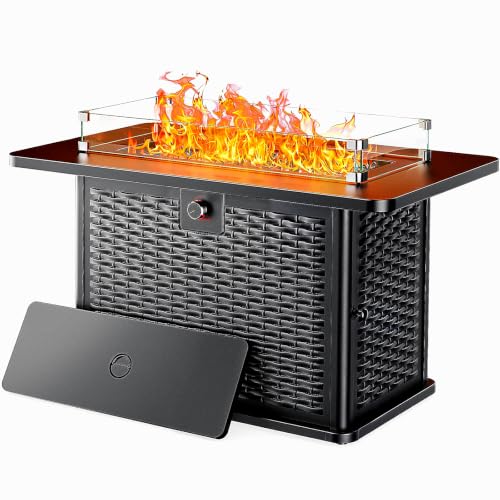
Propane Patio Fire Pit: The Complete Buying Guide
Everything you need to know about choosing, using, and maintaining a propane fire pit for your outdoor space — from fuel efficiency and safety to design and placement.
START EXPLORINGWhy Choose a Propane Patio Fire Pit
A propane patio fire pit has become one of the most sought-after additions to modern outdoor living spaces, and for good reason. Unlike traditional wood-burning pits, propane models deliver instant warmth, consistent flames, and none of the smoke, ash, or spark concerns that can limit where and when you enjoy a fire. Whether you are extending your patio season into cooler months or simply want a reliable focal point for evening gatherings, a propane fire pit offers a level of convenience that wood-burning alternatives struggle to match.
The appeal goes beyond convenience. Propane fire pits are cleaner to operate, require virtually no cleanup, and can be used in settings where open wood fires are restricted — including many urban areas, apartment balconies, and covered patios. They also start with the push of a button and can be adjusted to precise flame heights, giving you complete control over heat output and ambiance.
Instant Ambiance
No kindling, no waiting — ignite your fire pit with a push button and enjoy consistent flames within seconds.
Smoke-Free Experience
Propane burns cleanly, producing no smoke or ash, making it ideal for covered patios and urban settings.
Adjustable Heat
Control flame height and heat output precisely, from a gentle glow to a robust warming fire.
Deck-Friendly Operation
With no embers or sparks, propane fire pits are generally safe for wooden decks when used properly.
For homeowners exploring the broader category of outdoor heating and ambiance, the propane fire pit pairs naturally with other patio essentials. If you are still comparing fuel options, you may also want to explore the full range of propane firepit styles, or consider how a portable fire pit can extend the same benefits to camping trips and tailgates.
How Propane Fire Pits Work
Understanding the basic mechanics of a propane fire pit will help you make a more informed purchase and operate the unit safely. At its core, a propane fire pit is a straightforward system consisting of a gas supply, a burner element, an ignition mechanism, and a fire-safe enclosure.
The Fuel System
Most residential propane fire pits connect to a standard 20-pound propane tank, the same type used for gas grills. The tank can be stored inside the base of the fire pit (in models with a hidden tank compartment) or placed outside the unit and connected via a hose. Some premium and commercial-grade models are designed for hardwired natural gas connections, but propane remains the most popular choice because it requires no permanent gas line installation.
The Burner and Ignition
The burner is typically a stainless steel or high-grade steel ring or linear element that distributes gas evenly. Ignition systems range from a simple push-button spark to a battery-operated electronic ignition. Mid-range and premium models often feature a flame-sensing safety valve that automatically shuts off the gas supply if the flame goes out — an important feature that prevents dangerous gas accumulation.
Heat Output
Propane fire pits are rated in BTUs (British Thermal Units). Entry-level decorative units often produce around 30,000 to 40,000 BTUs, while mid-range and high-end models can reach 50,000 to 60,000 BTUs or more. Higher BTU output means more heat and faster fuel consumption. A balanced tier model typically offers enough warmth for a small gathering without draining the tank too quickly.
Types of Propane Fire Pits
The market offers several distinct styles, each suited to different spaces and use cases. Choosing the right type depends on your patio size, design preferences, and how you plan to use the unit.
Fire Pit Tables
Fire pit tables combine a functional surface with a central burner, making them ideal for dual-purpose use — a coffee table by day and a warming focal point by night. These are available in a wide range of materials, including powder-coated aluminum, cast aluminum, and steel. For a round option that fits smaller seating arrangements, consider a round propane fire table. If you are exploring the broader category, you can also browse propane fire table options to compare styles and features.
Freestanding Fire Pits
Freestanding models range from simple bowl-style units to elaborate decorative pieces. They offer flexibility in placement and are often easier to move than table-style units. Lightweight and compact versions, such as a small propane fire pit, are well-suited to balconies and compact patios.
Deck and Patio Fire Pits
If your primary outdoor space is a wooden deck, look for models explicitly designed for deck use. These units typically feature a raised base or heat shield to protect the deck surface. A propane deck fire pit is engineered with these considerations in mind, offering peace of mind alongside the ambiance.
Gas Fire Pits
The term "gas fire pit" encompasses both propane and natural gas models. A propane gas fire pit offers the flexibility of tank-based fuel without the need for a permanent gas line. This makes it a practical choice for renters and homeowners who want to avoid installation work.
Pub-Height and Bar-Style Tables
For entertaining spaces that center around a bar or high-top table, a pub-height patio table with fire pit combines the social appeal of a raised table with the warmth of a central fire feature.
Key Buying Criteria
When evaluating propane patio fire pits, focus on the factors that directly affect performance, longevity, and safety. The following criteria will help you compare models on a level playing field.
Material and Construction
The enclosure material determines how well the unit withstands weather and wear. Powder-coated aluminum and stainless steel offer excellent rust resistance; cast aluminum provides a heavier, more substantial feel; and steel units may require more frequent care in humid climates. For a deeper look at material durability, explore the full range of propane patio fire pit constructions available.
BTU Output and Heat Coverage
Match the BTU rating to your intended use. A lower-output decorative unit suits a small balcony, while a higher-output model is appropriate for a large patio. Keep in mind that higher output generally means more frequent tank refills.
Ignition and Safety Features
Electronic ignition is more convenient than manual spark ignition and is common on mid-range and premium models. Flame-sensing safety valves, thermocouples, and automatic shut-off mechanisms are important features that enhance safety and are worth prioritizing.
Size and Footprint
Measure your available space before selecting a unit. Allow for clearance around the fire pit for seating and safe operation. A compact unit may be the better choice for a small patio, while a larger table-style model can anchor a full outdoor living area.
Tank Storage and Accessibility
Models with an integrated tank compartment offer a cleaner look but can be heavier to move. Units with external tank connections are easier to refuel but require a visible hose. Consider which setup suits your space and maintenance preferences.
Quality Tier
Propane fire pits generally fall into three broad quality tiers:
| Tier | Best For | Typical Characteristics |
|---|---|---|
| Entry-Level | Occasional use, small spaces | Lightweight construction, manual or basic ignition, simpler designs |
| Mid-Range | Regular use, standard patios | Electronic ignition, flame-sensing safety valve, powder-coated finishes |
| Premium | Frequent use, design-focused spaces | Heavy-duty materials, sophisticated ignition systems, integrated tank storage, refined finishes |
Safety Guidelines
Propane fire pits are safe when used correctly, but they require the same respect you would give any gas appliance. Follow these guidelines to ensure safe operation.
- Outdoor use only: Never operate a propane fire pit indoors, in a garage, or in any enclosed space. Propane combustion produces carbon monoxide.
- Maintain clearance: Keep the unit at least the manufacturer-recommended distance from combustible surfaces, including deck railings, furniture, and plants.
- Check for leaks: Before first use and periodically thereafter, perform a soapy water test on all connections to check for gas leaks.
- Inspect the hose and regulator: Replace any hose that shows cracks, brittleness, or wear.
- Never move a lit unit: Turn off the gas and allow the unit to cool completely before moving it.
- Store tanks properly: Keep spare propane tanks upright in a well-ventilated outdoor area, away from heat sources.
- Use the correct cover: When not in use, cover the fire pit to protect it from moisture and debris, but ensure the unit is completely cool before covering.
Important: Always follow the manufacturer's instructions for your specific model. Safety features vary by unit, and proper installation is essential for safe operation.
Placement & Setup Tips
Where you place your fire pit affects both safety and enjoyment. Consider these factors when deciding on a location.
Surface Considerations
While propane fire pits are generally safe on wooden decks, always use a heat-resistant mat or a raised base if the manufacturer specifies one. On concrete or stone patios, ensure the unit sits level and stable.
Wind Exposure
Avoid placing the fire pit in a spot that receives strong, direct wind, which can affect flame stability and heat distribution. A partially sheltered location near a wall or under a pergola (with proper clearance) can improve performance.
Seating Arrangement
Allow enough space around the fire pit for chairs and foot traffic. A common guideline is to leave at least 2 to 3 feet of clearance on all sides, though the manufacturer's recommendations should take precedence.
Ambiance Pairing
A propane fire pit works beautifully alongside other outdoor features. Consider pairing it with outdoor lighting for evening ambiance, or explore patio heaters if you need supplemental warmth for larger spaces. For a full outdoor living setup, you may also want to browse porch and patio ideas to tie the space together.
Maintenance & Care
Propane fire pits require relatively little maintenance compared to wood-burning units, but a few simple habits will keep yours performing well for years.
- Clean the burner: Periodically check the burner ports for debris or insect nests. A soft brush or compressed air can clear blockages.
- Wipe down surfaces: Use a mild soap and water solution to clean the exterior. Avoid abrasive cleaners that can damage powder-coated finishes.
- Inspect connections: Check the hose, regulator, and connections regularly for wear or leaks.
- Cover when not in use: A fitted cover protects the unit from rain, dust, and UV exposure.
- Store the tank safely: Disconnect the tank if the fire pit will be unused for an extended period, and store it upright in a ventilated outdoor area.
- Seasonal check: At the start of each season, inspect the entire unit for rust, loose fittings, or damage before first use.
For additional care guidance across all types of outdoor furniture and fixtures, explore the outdoor care section of our site.
Ready to Elevate Your Outdoor Space?
Explore our curated selection of propane patio fire pits and find the perfect fit for your backyard, deck, or balcony.
VIEW RECOMMENDED MODELSFrequently Asked Questions
How long does a propane patio fire pit run on a standard tank?
A standard 20-pound propane tank typically provides between 8 and 12 hours of burn time on a medium heat setting, depending on the BTU output of the unit. Higher-output models consume fuel faster, while lower-output decorative units extend burn time.
Are propane patio fire pits safe on a wooden deck?
Yes, propane patio fire pits are generally safe for wooden decks when used properly. They produce no embers or sparks, and the heat is directed upward. Always maintain the manufacturer's recommended clearance from combustible surfaces and never place a unit directly against deck railings.
Do propane patio fire pits produce smoke or ash?
No. Propane is a clean-burning fuel that produces neither smoke nor ash. This is one of the primary advantages over wood-burning fire pits, making propane units ideal for covered patios, urban settings, and areas with air-quality restrictions.
Can a propane patio fire pit be used indoors?
No. Propane patio fire pits are designed exclusively for outdoor use. Burning propane indoors produces carbon monoxide and poses a serious health hazard. Always operate your fire pit in a well-ventilated outdoor area.
What is the difference between a propane fire pit and a natural gas fire pit?
A propane fire pit operates on a refillable tank and requires no permanent gas line, making it portable and easier to install. A natural gas fire pit connects to a home's gas supply and offers unlimited burn time but requires professional installation. For most homeowners seeking flexibility, a propane model is the more practical choice.