Porch Table Buying Guide: Sizes, Styles & Material Tips
A porch table is the quiet anchor of your front porch or back entryway. It holds your morning coffee, a planter, or the mail, and it sets the tone for everything around it. This guide walks you through sizes, materials, styles, and pairing strategies so you can choose with confidence.
Why the porch table matters more than you think. Porch tables occupy one of the most visible outdoor zones in a home. They greet guests before the front door opens and they serve as the landing spot for keys, mail, and a cool drink. Because they sit in a transition space, they take more weather exposure than a covered patio piece and they are seen up close. Getting the size, material, and height right makes the difference between a porch that feels finished and one that feels cluttered.
This guide is written for the research stage. You likely already know you want a table for your porch, but you may be unsure about dimensions, whether wood or metal is the better choice, and how a table should relate to seating. Below you will find practical sizing rules, a material comparison organized by tier, layout guidance, and care advice.
Porch Table Sizes and Clearance Rules
Porch tables come in three broad categories: side tables, console or entry tables, and dining or multi-use tables. The right category depends less on personal preference and more on the available depth of your porch and how you intend to use the surface.
1. Side and accent porch tables
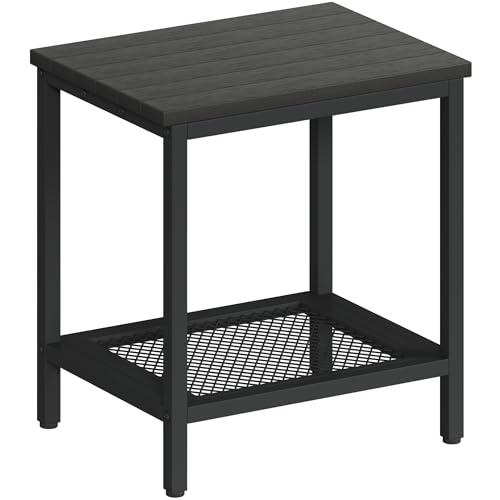
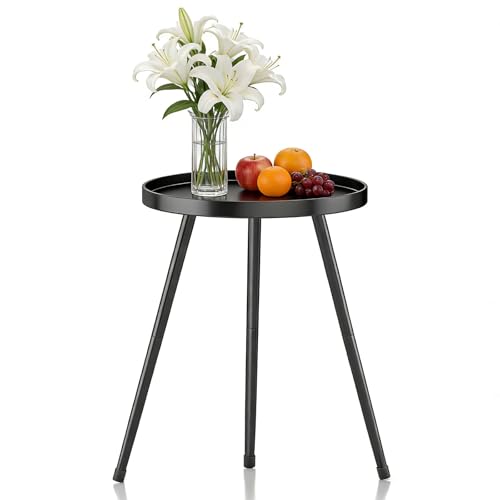
Side tables are best for narrow porches, single-chair setups, or spaces anchored by a porch swing. Typical footprints range from roughly 16 to 24 inches in diameter for round models, or about 18 by 18 inches for square and rectangular versions. These tables work well beside a porch chair or a porch swing where the surface is meant for a drink, a book, or a small lantern.
2. Console and entry porch tables
Console tables run long and shallow. A common footprint is around 40 to 60 inches wide and 14 to 18 inches deep. They are ideal against a porch wall or railing, providing a surface for mail, a tray of plants, or seasonal decor without eating into walking space. If your porch also hosts a bench, a console can visually balance the arrangement. A porch bench paired with a slim console against the opposite wall creates a functional, symmetrical layout.
3. Dining and multi-use porch tables
When a porch is deep enough, a rectangular or round dining table turns it into an outdoor room. Rectangular models in the 48 to 60 inch range seat four comfortably. Round models in the 36 to 48 inch diameter range seat the same number with less corner intrusion. Before committing, measure chair pull-out space: plan for at least 30 inches of depth on each side where someone will sit, plus at least 24 inches of walking clearance around the table.
| Table Category | Typical Footprint | Best For | Minimum Porch Depth |
|---|---|---|---|
| Compact side table | 16–24 in diameter | Single chair, swing side, drinks | 36 in |
| Square accent table | 18 × 18 in | Two chairs, plant display | 40 in |
| Console / entry table | 40–60 × 14–18 in | Wall placement, mail, decor | 44 in |
| Round dining table | 36–48 in diameter | Casual meals for four | 84 in |
| Rectangular dining table | 48–60 × 28–36 in | Family meals, games, work | 90 in |
Measurement checklist before you order
Measure the porch width at the narrowest point, including door swing and step edges. Then measure the depth from the house wall to the outer railing. Subtract 24 inches for walking clearance and 30 inches on any side where a chair will pull out. What remains is your usable table footprint. It is far easier to size a table to the porch than to rearrange a porch around a table that does not fit.
Porch Table Materials Compared by Tier
Porch tables face sun, rain, humidity, and temperature swings. Material choice drives durability, maintenance rhythm, and visual character. The comparison below uses tier descriptors rather than figures, and each tier represents a relative position in the market rather than an exact category boundary.
Wood: classic warmth, variable upkeep
Wood remains the most requested porch table material because it softens entryways and blends with siding and trim. Teak and cedar are the most weather-tolerant species, thanks to natural oils that resist moisture. Acacia is common in mid-range tables and performs well when sealed. Pine and fir appear in entry-level builds and demand more frequent sealing. For a deeper look at treated options, see our notes on pressure-treated wood for outdoor furniture.
Metal: stability and slim profiles
Powder-coated aluminum is the lightest durable option and resists rust, which makes it a strong fit for covered porches in humid regions. Steel is heavier and very stable, but chips in the coating can lead to corrosion if ignored. Wrought iron and cast aluminum bring traditional detail and a substantial feel. Our guide to powder-coated aluminium outdoor furniture explains how the finish affects longevity.
Poly lumber and resin: the low-maintenance route
High-density polyethylene, often called poly lumber, mimics painted wood without splintering, rotting, or needing stain. It is heavier than aluminum and holds up well in full sun. If low upkeep is the priority, poly furniture and poly lumber construction are worth a close look. Poly tables tend to sit in the mid-range and premium tiers depending on hardware and joinery quality.
Wicker, rattan, and mixed materials
All-weather wicker over an aluminum frame gives a relaxed, textured look. It works beautifully on covered porches but is less ideal where rain drives in sideways. Mixed-material tables, such as a wood top on a metal base, blend warmth with stability and are common in premium collections.
| Material | Tier Position | Weather Resistance | Maintenance Rhythm | Best Fit |
|---|---|---|---|---|
| Powder-coated aluminum | Mid-tier | High (rust-resistant) | Wipe down; inspect joints yearly | Humid, covered porches |
| Steel with powder coat | Mid-tier | Moderate (touch up chips) | Annual coating inspection | Stable dining layouts |
| Teak / cedar | Premium | High (naturally oily) | Oil every 6–12 months | Exposed, character-driven porches |
| Acacia (sealed) | Mid-tier | Moderate to high | Re-seal annually | Warm wood look on a covered porch |
| Pine / fir | Entry-level | Moderate | Frequent sealing | Sheltered porches, seasonal use |
| Poly lumber | Premium | Very high | Soap-and-water cleaning | Full sun, low-upkeep homes |
| All-weather wicker | Mid-tier | Moderate (covered use) | Brush weave; cover seasonally | Relaxed, textured porches |
| Cast aluminum / wrought iron | Luxury | High (heavy, durable) | Touch up finish; tighten hardware | Traditional, permanent setups |
How to read the tier column
Tier describes a product's relative position in the market, not a judgment of quality. A well-built entry-level table can outperform a poorly made premium one. Focus on joinery, hardware material, finish thickness, and warranty terms when comparing within a tier.
Porch Table Styles and How They Read Up Close
Porch tables are viewed at close range, often while seated. Detail quality, finish consistency, and proportion matter more here than on a distant patio. The style you choose should also respect the architecture of the home.
Traditional and farmhouse
Turned legs, slatted tops, and painted or stained wood define this look. It pairs naturally with porch rockers and beadboard ceilings. A white or sage-painted console against a shingled wall is a classic combination.
Modern and minimalist
Clean lines, thin profiles, and matte finishes. Aluminum and steel dominate here, often with a slatted or solid top. A slim black metal console reads crisp against brick or board-and-batten siding.
Coastal and relaxed
Weathered wood, whitewash finishes, and rope or wicker accents. A round acacia table with a whitewash finish and a pair of porch chairs creates an easy, breezy entryway. Textured surfaces hide sand and dust well.
Rustic and natural
Live-edge tops, visible grain, and heavier proportions. These tables suit log homes, cabins, and porches framed by timber. They are best protected with a robust outdoor sealant.
If you want a broader look at how a porch comes together as a whole, our porch and patio overview connects table choices to seating, decor, and lighting.
Pairing Your Porch Table With Seating and Decor
A porch table rarely stands alone. It is part of a composition that includes seating, a rug, planters, and lighting. The goal is balance: one strong anchor, then supporting pieces that echo its materials or colors.
Table height and chair compatibility
Standard dining height is around 28 to 30 inches, matching standard chairs with a seat height near 17 to 18 inches. Counter-height tables sit near 36 inches and pair with taller stools. Side tables typically range from 20 to 24 inches tall, roughly level with the arm of an adjacent chair. Always confirm seat height against table height before ordering, especially when mixing collections.
Symmetry and visual weight
A bench on one side and two chairs on the other works well with a rectangular table. A round table with two chairs feels balanced and saves depth. A console flanked by two matching planters frames a doorway. If the porch has a swing, a small round table between the swing and a chair softens the transition. Our guide to porch swings covers swing dimensions that affect nearby table placement.
Rugs, planters, and lighting
An outdoor rug under a dining-height porch table defines the zone and protects the floor. Planters at the table's corners add height without crowding the surface. A small lantern or a pair of outdoor lighting fixtures finishes the scene. For a full decor pass, see our porch decor ideas.
One anchor, three echoes
A reliable styling rule: pick one anchor piece, such as a wood-top porch table, then echo it three times through a secondary material, a color, or a texture. A metal chair frame, a terracotta planter, and a jute rug each pick up a note from the anchor. The result feels intentional without looking catalog-matched.
Weather Care for Porch Tables
Porch tables live in a high-exposure zone. A simple seasonal rhythm keeps finishes intact and extends service life.
Seasonal maintenance rhythm
- Spring: Clean the table with mild soap and water, inspect joints and hardware, and touch up any coating chips on metal frames.
- Summer: Wipe standing water after storms, refresh wood oil if the surface looks dry, and check that umbrella or planter weight is not stressing the top.
- Fall: Clear fallen leaves and debris from slats and edges, re-tighten bolts, and apply a fresh coat of sealant to wood before cold weather.
- Winter: Use a breathable fitted cover if the porch is exposed. Avoid sealed plastic wraps that trap moisture against the finish.
For a broader treatment of protective products and routines, our weatherproofing guide and quality outdoor furniture overview cover finishes and construction details that hold up over time.
Surface-specific tips
- Wood: Re-oil teak and cedar when water stops beading. Use a UV-resistant sealant on acacia and pine.
- Powder-coated metal: Clean with a soft cloth. Touch up chips promptly to prevent corrosion.
- Poly lumber: Wipe with soapy water; avoid abrasive pads that dull the finish.
- Wicker and rattan: Brush dust from the weave and cover during extended wet seasons.
Porch Table FAQ
What size porch table fits a small front porch?
For narrow porches, a compact round table with a diameter of roughly 24 to 30 inches or a small rectangular table around 30 by 20 inches works well. Leave at least 24 inches of walking clearance around the table so doors and steps stay usable. Measure the narrowest point first, including the door swing.
Which material is best for a porch table in humid climates?
Powder-coated aluminum and high-density polyethylene handle humidity best because they resist rust, rot, and moisture absorption. Sealed teak and cedar also perform well but need periodic re-oiling to maintain their protective finish. Our overview of powder-coated outdoor furniture goes deeper into finish performance.
Should a porch table match the porch chairs?
Matching materials and finishes creates a cohesive look, but intentional contrast also works. A good rule is to echo one element, such as the metal frame color or wood tone, while letting the table and chairs differ in shape or weave. Balance matters more than an exact match.
How do I protect a wooden porch table from weather?
Apply a UV-resistant sealant or outdoor-grade oil at least once a year, wipe up standing water promptly, and use a breathable fitted cover during long off-seasons. Keep the table out of direct sprinkler spray and re-tighten hardware annually.
Can a porch table double as a dining table?
Yes. A mid-range or premium rectangular table around 48 to 60 inches long with a stable apron can seat four for casual meals. Choose a height that matches your chairs and confirm the porch depth allows at least 30 inches of chair pull-out space on the long sides.
Ready to bring your porch together?
Start with the table, then build outward: seating, a rug, planters, and lighting. Explore our curated product picks below to find a porch table that fits your space, your material preferences, and your maintenance comfort zone.
See Recommended Porch Tables