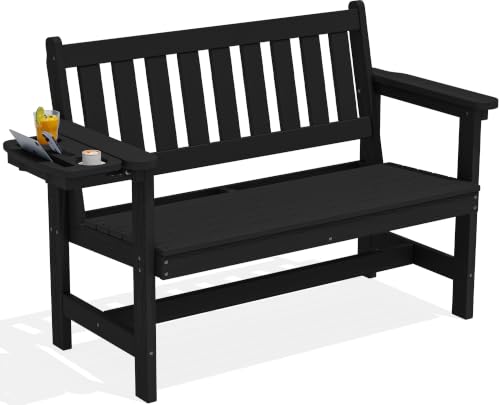
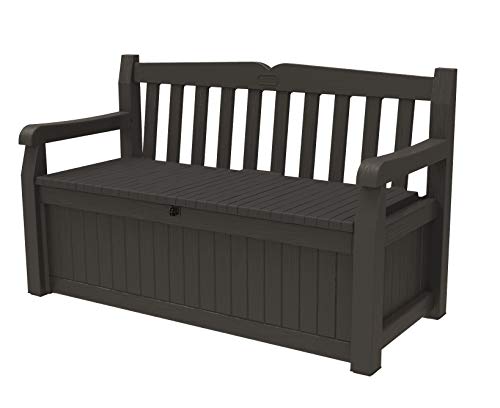
Porch Bench Buyer's Guide: Comfort Meets Curb Appeal
Your porch is the first thing guests see and the last place you linger on a warm evening. A well-chosen porch bench ties that space together — here is how to pick the right one for your home, climate, and lifestyle.
EXPLORE TOP PICKSWhy a porch bench deserves careful thought: Unlike a temporary folding chair, a porch bench becomes a permanent fixture of your home's exterior. It influences curb appeal, serves as a daily resting spot, and must withstand sun, rain, and seasonal swings. Choosing wisely means years of comfortable use — and avoiding the frustration of premature wear, wobbling frames, or a bench that simply does not fit your entryway.
Why Invest in a Dedicated Porch Bench
A porch bench does more than provide a place to sit. It anchors the visual composition of your entryway, signals hospitality, and creates a natural gathering point for neighbors and family. Homeowners who spend time on their front porch often report a stronger connection to their community — and a bench is the catalyst for those everyday conversations.
Beyond social value, a bench offers practical benefits. It gives delivery drivers and guests a comfortable waiting spot, provides a safe place to remove muddy shoes, and doubles as a display surface for seasonal decor. For households with older family members, a bench with sturdy armrests becomes an essential accessibility aid near the door.
If you are furnishing a broader outdoor area, our porch and patio furniture guide covers how seating, tables, and shade work together as a complete system. A bench is often the keystone piece that makes the rest of the arrangement feel intentional.
Porch Bench Materials: A Practical Comparison
Material choice is the single most important decision you will make. Each option balances appearance, upkeep, and longevity differently. Use the tier descriptors below as a relative guide to market positioning — not every premium bench is right for every porch.
| Material | Market Tier | Best For | Upkeep Level |
|---|---|---|---|
| Solid Teak & Hardwood | Premium / Luxury | Traditional homes, long-term investment | Annual oiling or sealing |
| Powder-Coated Aluminum | Mid-range | Coastal areas, modern facades | Occasional wipe-down |
| Wicker & Rattan | Mid-tier | Covered porches, cottage aesthetics | Keep dry, reseal weave yearly |
| Poly Lumber | Top-tier for durability | Harsh climates, minimal-effort households | Soap and water only |
| Painted or Treated Pine | Entry-level | Seasonal porches, starter homes | Repaint every few years |
Wood: The Timeless Standard
Hardwoods such as teak, ipe, and acacia bring warmth and natural grain that no synthetic material fully replicates. A premium hardwood bench can last decades if maintained properly, making it a genuine long-term investment. Softer woods like pine sit at the entry-level tier; they are easier to work with and repaint, but demand more frequent attention and are more susceptible to rot in damp climates. If you are weighing wood against synthetic options, our poly lumber overview explains how recycled materials compare in real-world conditions.
Metal: Clean Lines, Low Fuss
Powder-coated aluminum is the standout choice for porches exposed to salt air or heavy rain. The coating resists rust and fading, and the frames are light enough to reposition alone. Steel benches offer greater weight and a more planted feel but require a rust-proof finish to survive outdoors. Wrought-iron designs lean toward the high-end tier and suit formal architecture beautifully.
Wicker and Rattan: Relaxed Character
Natural rattan and synthetic wicker deliver a breezy, vacation-inspired look that pairs well with cottage and coastal homes. The caveat is moisture: natural fibers degrade quickly when soaked, so these benches belong on covered porches or beneath an awning. Synthetic all-weather wicker is the more forgiving option and holds its color far longer.
Poly Lumber: The Low-Maintenance Champion
Made from recycled plastic, poly lumber benches resist moisture, insects, and UV damage without any sealing or painting. They sit at the top tier for durability and are especially well suited to homes in rainy or humid regions. The trade-off is a slightly more uniform texture than natural wood. Our guide to poly outdoor furniture digs into the construction details worth checking.
Porch Bench Styles and What They Suit
The silhouette of your bench should echo your home's architecture. A farmhouse with a wraparound veranda calls for something different than a modern townhouse with a narrow stoop. These are the most common archetypes you will encounter.
Slat-Back Wooden Bench
Vertical or horizontal slats, often in teak or painted pine. Pairs naturally with traditional and farmhouse facades.
Minimalist Metal Bench
Slim aluminum or steel frame with a floating seat. Suits contemporary homes and compact entryways.
Wicker Loveseat Bench
Curved arms and a woven back create a softer, resort-like feel. Best under cover.
Live-Edge or Log Bench
Heavy timber construction with visible grain. Anchors cabin and lodge-style homes.
Backless Bench
Tucks neatly against a wall or doubles as a low console. Ideal for narrow porches.
Glider or Swing Bench
Adds gentle movement for relaxation. Our porch glider guide covers the mechanism differences.
If your porch also needs a single-person seat for reading corners, consider pairing the bench with a porch chair to create a balanced conversation layout. For porches that double as dining spots, a porch table completes the arrangement.
How to Size a Porch Bench Correctly
Fit is where most buyers go wrong. A bench that overwhelms a narrow stoop looks cramped; one that is too small leaves the porch feeling unfinished. Work through these measurements before you shop.
- Measure the available wall length and subtract at least 48 inches total (24 inches per side) for comfortable passage and visual breathing room.
- Confirm seat height — most adults are comfortable at 17 to 19 inches from floor to seat top.
- Check seat depth — 17 to 20 inches suits most people; deeper seats favor taller users.
- Account for door swing — leave at least 36 inches of clear space in front of any exterior door.
- Verify weight capacity — two-seat benches typically support 400 to 500 pounds; three-seat models should be rated higher.
- Consider the walkway — the bench should not protrude into the primary path to the door.
For a detailed walkthrough of measuring any outdoor space, our measurement guide covers templates and common mistakes. If your porch is unusually narrow, a backless bench or a corner configuration often solves the problem.
Comfort Features That Matter
A porch bench is meant to be sat on, not just admired. Prioritize these features for daily usability.
Backrest Angle and Height
A slight recline — around 100 to 105 degrees — supports the lower back without encouraging slouching. Backrests that reach mid-shoulder suit most adults. Very low backrests look sleek but tire the spine during longer sits.
Armrests
Armrests are not decorative. They provide leverage for standing up, a resting point for a book, and a natural boundary that makes a bench feel inviting. Households with older adults should treat armrests as mandatory.
Cushions and Upholstery
Even a well-built bench benefits from a seat pad. Look for closed-cell foam wrapped in solution-dyed acrylic fabric, which resists mildew and UV fading. Removable, machine-washable covers are a practical bonus. Our outdoor cushion guide explains which fill types hold their shape longest.
Placement Ideas That Elevate Your Porch
Where the bench sits shapes how the whole porch reads. These arrangements work across most home styles.
- Flanking the front door: Two smaller benches or one wider bench centered beneath a window creates a symmetrical, welcoming composition.
- Perpendicular to the house: Angling the bench outward encourages conversation and gives sitters a view of the street.
- Under a window: A low-back bench beneath a front window adds depth without blocking light.
- Corner nook: On an L-shaped porch, a bench tucked into the inner corner creates a cozy reading spot.
- Paired with a side table: A small table or porch side table for drinks and books completes the vignette.
Layering in textiles and lighting — described in our porch decor ideas — turns a functional bench into a styled destination. A rug beneath the bench also defines the seating zone and protects the floor finish.
Seasonal Care and Longevity
Even weather-resistant benches benefit from routine attention. A few habits extend lifespan considerably.
- Wood: Clean with mild soap, inspect for splintering, and reapply sealant annually before the wet season.
- Metal: Wipe down monthly and touch up any chips in the powder coating to prevent corrosion.
- Wicker: Vacuum the weave and keep the bench under cover; re-tighten loose strands promptly.
- Poly lumber: Rinse with a hose and a soft brush; avoid abrasive cleaners that dull the finish.
- All materials: Use a fitted cover during off-season months and store cushions indoors when not in use.
Our weatherproofing guide walks through protective treatments in more detail, and the patio furniture cover guide helps you pick the right cover for your bench dimensions.
Final Buying Considerations
Before you commit, run through this shortlist. It captures the questions that most often lead to returns or regret.
- Does the bench fit your measured space with clearance on both sides?
- Is the material appropriate for your climate and coverage level?
- Does the style harmonize with your home's exterior?
- Are armrests and backrest comfortable for your household?
- Is the weight manageable for one or two people to reposition?
- Does the warranty cover structural components?
- Will cushions be easy to remove and clean?
If you are furnishing several outdoor zones at once, our porch furniture buying guide shows how to coordinate a bench with rockers, swings, and tables. For porches that also open onto a pool area, the pool patio furniture guide covers materials that tolerate chlorine and splash.
And if you are still deciding between a stationary bench and a swinging seat, our porch swing guide compares the two experiences side by side.
Frequently Asked Questions
What size porch bench should I choose?
Measure your porch width and allow at least 24 inches of clearance on each side for comfortable movement. A two-seater bench typically fits a narrow porch, while a three-seater suits wider spaces. Always confirm the bench depth leaves enough walkway space.
Which material is best for a porch bench?
Solid wood offers timeless appeal and can be refinished over time. Powder-coated aluminum resists rust and requires minimal upkeep. Wicker and rattan provide a relaxed look, while poly lumber delivers the longest lifespan with almost no maintenance.
Should a porch bench have a backrest or armrests?
A backrest provides essential lumbar support for longer sitting sessions, making it ideal for reading or entertaining. Armrests add comfort and help older guests sit down and stand up safely. Backless benches work well for tight spaces or as a decorative console.
How do I protect a porch bench from weather?
Apply a weather-resistant sealant to wooden benches annually. Use a fitted cover during harsh seasons and store cushions indoors when not in use. Position the bench away from direct sprinkler spray and ensure proper drainage beneath its legs.