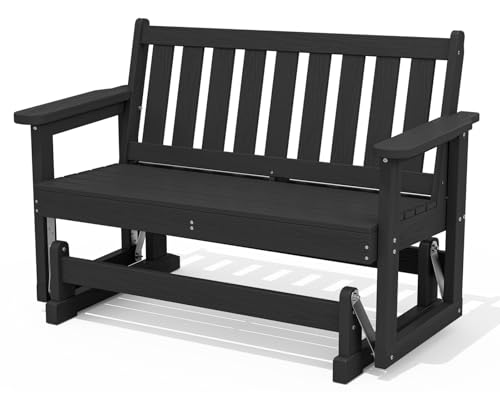
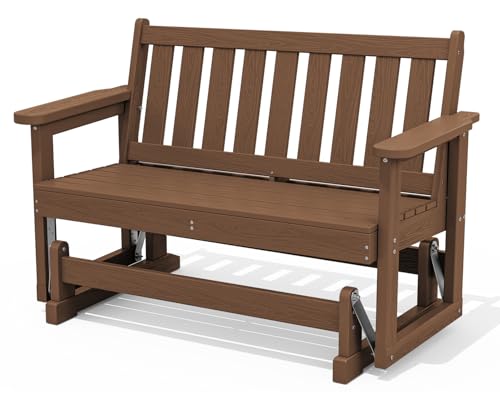
Porch Glider Buying Guide: Comfort, Frames & Cushion Care
Everything you need to know before choosing a porch glider — frame materials, gliding mechanisms, cushion construction, sizing, and placement for a relaxing outdoor retreat.
A porch glider brings a calm, rhythmic motion to any outdoor sitting area. Unlike a hanging swing, a glider rides on a fixed track, making it stable, easy to enter and exit, and ideal for porches, decks, and patios with a solid floor. If you have been researching outdoor seating and want a piece that combines gentle movement with supportive comfort, this guide walks you through the decisions that matter most.
Whether you are upgrading an existing porch furniture arrangement or starting from scratch, understanding how frames, glide mechanisms, and cushions work together will help you choose a model that fits your space and lifestyle.
Why Choose a Porch Glider?
A porch glider delivers the soothing back-and-forth motion of a swing without the need for overhead anchoring. The self-contained gliding base sits on the floor, so you can place it almost anywhere — under a covered porch, on a deck, or even on a flat patio. This flexibility makes gliders a popular alternative to traditional porch swings, especially for renters or homeowners who prefer not to drill into ceilings.
Gliders also tend to feel more secure for children and older adults because the seat stays level and grounded. The motion is smooth and predictable, which is why many families pair a glider with a porch rocking chair to create a dedicated relaxation zone.
Porch Glider Frame Materials Compared
Frame material determines durability, maintenance needs, and the overall feel of the glider. Below is a comparison of the most common options.
| Material | Tier | Best For | Maintenance |
|---|---|---|---|
| Powder-coated aluminum | Mid-range to premium | Humid climates, coastal porches, lightweight setups | Low — wipe clean, rust-resistant |
| Treated hardwood (teak, acacia, eucalyptus) | Premium to luxury | Traditional porches, natural aesthetic | Moderate — periodic sealing recommended |
| Steel with powder coating | Entry-level to mid-range | Sturdy, heavy-duty support | Moderate — inspect for chips and touch up |
| Resin / poly lumber | Mid-tier | All-weather durability, low upkeep | Very low — soap and water cleaning |
| Wicker and rattan | Entry-level to premium (synthetic) | Coastal and bohemian styles | Low to moderate depending on weave |
For more detail on synthetic and treated wood options, see our guides to poly furniture and poly gliders. If you prefer the look of powder-coated metal, our overview of powder-coated aluminum patio furniture explains finish durability and care.
Understanding Gliding Mechanisms
The glide mechanism is the heart of a porch glider. Most models use one of three designs:
- Ball-bearing track glides: Smooth, quiet, and long-lasting. Common in mid-range and premium gliders.
- Nylon or polymer bushings: Found in entry-level models. Functional but may develop squeaks over time.
- Bearingless metal-on-metal tracks: Durable but louder; often seen in heavy-duty or commercial-grade frames.
When comparing models, look for sealed bearings and a reinforced track. Mid-range gliders usually offer noticeably smoother motion than starter-tier options, and premium models often include adjustable tension so you can tune the glide resistance.
Seating Capacity and Dimensions
Porch gliders typically seat two to three adults. Standard widths range from around 48 to 60 inches, while larger models can exceed 70 inches. Before ordering, confirm three measurements:
- Porch or deck width: Leave at least 18 inches on each side for comfortable access.
- Depth clearance: Add 12 to 24 inches beyond the frame for glide travel.
- Entry height: Seat height usually falls between 16 and 19 inches; consider accessibility for older users.
If your space is tight, a compact glider or a porch swing chair can offer similar comfort in a smaller footprint.
Cushions and Upholstery
Cushion quality has a major impact on comfort and longevity. Look for:
- High-density foam or wrapped foam cores that resist flattening.
- Solution-dyed acrylic or olefin fabrics with UV and mildew resistance.
- Removable, machine-washable covers with zippered closures.
- Quick-dry drainage if the glider is exposed to rain.
Entry-level cushions often use lower-density foam and basic polyester covers; mid-range and premium cushions typically feature denser cores and performance fabrics that hold color longer. For care guidance, see our outdoor cushion guide.
Placement and Styling Ideas
Porch gliders work best in sheltered spots with a view. Popular placements include:
- Facing the front yard on a covered porch, paired with a porch table for drinks.
- Alongside a porch bench to create a layered seating arrangement.
- On a deck with an outdoor rug to define the zone.
- Near a garden pond or water feature for a tranquil backdrop.
Add a side table, a small lantern, and a throw blanket to make the glider the focal point of your porch and patio setup. For broader styling inspiration, browse our porch decor ideas.
Weather Resistance and Maintenance
To keep a glider looking its best:
- Rinse the frame monthly with mild soap and water.
- Touch up powder-coated finishes if chips appear.
- Store or cover cushions during heavy rain and winter.
- Lubricate the glide track annually with a silicone-based spray.
- Inspect bolts and fasteners at the start of each season.
If your glider lives near a pool area, see our notes on pool lounge chairs that don't rust for related material guidance.
Common Mistakes to Avoid
- Skipping the clearance check: A glider that hits a railing on the backstroke is frustrating.
- Ignoring weight capacity: Choose a frame rated for your household's use.
- Choosing style over function: A beautiful wicker glider may not suit an exposed, rainy porch.
- Skipping the cover: Even weather-resistant models last longer with protection.
Frequently Asked Questions
What is the difference between a porch glider and a porch swing?
A glider moves on a fixed track base, while a swing hangs from chains or ropes. Gliders are easier to place and don't require overhead anchoring, whereas swings need a frame or ceiling mount.
How much weight can a porch glider support?
Capacity varies by frame. Entry-level models typically handle two adults, while mid-range and premium gliders often carry higher ratings thanks to reinforced steel or solid wood construction. Always check the manufacturer's stated limit.
Do porch gliders require assembly?
Most ship partially assembled and need the back, arms, and base attached. Assembly usually takes under an hour with basic tools. Some premium models offer white-glove delivery or arrive fully assembled.
Can porch gliders be left outside year-round?
It depends on the frame and finish. Powder-coated aluminum and treated hardwood hold up well, but cushions should be stored or covered during rain and winter. A protective cover extends any glider's lifespan.