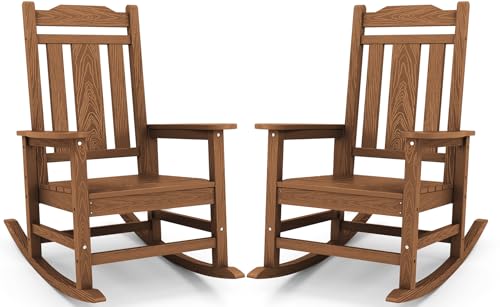
Porch Rocking Chairs: The Complete Buying Guide
Everything you need to know before choosing a porch rocker — frame materials, comfort geometry, weather resilience, and placement. Research first, relax later.
Why this guide matters: A porch rocking chair is more than seating — it is a daily ritual. Whether you are greeting neighbors, reading before dusk, or watching the street wake up, the right rocker should feel effortless for years. This guide walks you through the decisions that actually matter: frame construction, material longevity, rocker geometry, and how your porch layout affects your choice. By the end, you will know exactly which category fits your home.
What Makes a Great Porch Rocking Chair?
Porch rockers live outdoors year-round, which means they face sun, humidity, rain, and temperature swings. Unlike indoor rockers, every component must be built for exposure. The three pillars of a quality porch rocker are frame durability, rocker geometry, and seat comfort over long sessions.
Frame durability comes down to material and joinery. Solid wood, poly lumber, and powder-coated aluminum each behave differently. Rocker geometry determines whether the motion feels smooth or jerky — a well-balanced curve should glide gently and stop naturally without tipping. Seat comfort involves more than cushioning: seat depth, back angle, and armrest height all affect how long you can sit comfortably.
If you are still mapping out your entire front porch, our broader porch and patio planning guide pairs well with this article.
Frame Materials Compared
Poly Lumber Rocking Chairs
Poly lumber is the modern workhorse of outdoor seating. Made from recycled plastics, it resists moisture, rot, insects, and fading far better than natural wood. It never needs painting or sealing, and it cleans with soap and water. For homeowners who want the classic slat-back look without annual maintenance, poly is a top-tier choice. Explore our detailed poly lumber guide to understand thickness grades and colorfastness.
Within the poly category, poly furniture ranges from entry-level hobby pieces to commercial-grade rockers built for heavy daily use. Look for stainless steel hardware and mortise-and-tenon joinery on the higher tiers.
Natural Wood Rocking Chairs
Teak, acacia, and cedar remain popular for their warmth and traditional character. Teak is naturally weather-resistant due to its oils, while cedar is lightweight and aromatic. All natural wood requires periodic sealing to prevent cracking and gray weathering. Wood rockers tend to be heavier and stiffer in motion than poly, but the aesthetic is unmatched for farmhouse and craftsman homes.
Powder-Coated Aluminum Rockers
Aluminum frames are lightweight, rust-proof, and easy to reposition. Powder coating adds a durable color layer that resists chipping. These rockers suit modern and coastal porches and pair well with mesh or sling seats. Our overview of powder-coated outdoor furniture explains finish durability in detail.
Wicker and Rattan Rockers
All-weather wicker over aluminum frames offers a softer, more decorative look. Quality varies widely — resin wicker with tight weaves and UV stabilizers lasts years, while loose weaves degrade quickly. These suit covered porches best, as they can trap moisture in humid, exposed settings.
Rocker Geometry and Comfort Features
The curve of the rocker rails is the single most overlooked specification. A shallow curve produces subtle, slow motion suitable for reading and conversation. A deeper curve delivers more pronounced rocking, favored by parents and grandparents soothing children. Test the motion if possible, or read reviews that specifically mention glide smoothness.
Key comfort features to evaluate:
- Seat depth: Deeper seats suit taller users; shallow seats keep shorter users from sliding forward.
- Back height: High backs support the head and neck for longer sessions.
- Armrests: Wide, flat armrests comfortably hold a mug or book.
- Cushioning: Removable, quick-drying cushions simplify cleaning and extend seat life.
- Weight capacity: Check the rated limit — heavy-duty frames use reinforced cross-bracing.
If you want a rocker that matches other seating on your porch, our porch furniture guide covers coordinating benches, tables, and gliders. And for a different motion entirely, compare with a porch glider.
Matching Your Porch Layout
Space planning matters more than most buyers expect. A pair of rockers side by side needs roughly six feet of wall or rail space, plus clearance for the rocking arc. Rockers placed near the edge of a porch should have their rails fully supported and slightly inset from the edge for safety.
Consider the flow: rockers facing the street invite social interaction, while rockers angled toward the garden create a private retreat. A small side table between two rockers anchors the arrangement and adds function. Our porch table guide helps you size that table correctly.
For homes with a small front stoop, a single rocker paired with a bench works better than two full-size rockers. Our porch bench guide explores complementary options. And if you are also outfitting a covered area beyond the porch, browse porch decor ideas to tie the look together.
Care and Maintenance Essentials
Maintenance needs depend entirely on material. Poly rockers need an occasional wash with mild soap; avoid abrasive pads that dull the surface. Wood rockers benefit from an annual application of penetrating oil or sealer before the rainy season. Aluminum frames need only occasional wiping, though you should inspect powder-coated edges for chips and touch them up promptly.
Store cushions indoors during off-season months or prolonged rain. Even quick-drying foam benefits from air circulation. Tighten hardware once a season — rocking motion gradually loosens bolts on any frame. If you want to protect your entire porch investment, our weatherproofing guide covers covers, sealants, and seasonal checklists.
For homeowners comparing rockers against other motion furniture, our porch rockers overview and porch chair guide provide useful context.
Tier Comparison: Choosing Your Class
Because this category spans a wide range of construction quality, we use universal tier descriptors rather than figures. The table below helps you align expectations with build quality.
| Tier | Best For | Typical Construction |
|---|---|---|
| Entry-level | Seasonal use, light daily sitting | Thinner poly or softwood, basic hardware |
| Mid-range | Year-round porch use, moderate daily traffic | Thicker poly lumber, stainless hardware, sealed joints |
| High-end tier | Heavy daily use, premium aesthetic priority | Commercial-grade poly, mortise-and-tenon joinery, UV-stabilized color |
| Luxury | Designer porches, statement seating | Teak or premium hardwood, precision machining, lifetime hardware |
Mid-range models usually deliver the smoothest balance of motion quality and longevity for most households. Entry-level rockers suit covered porches with occasional use; high-end and luxury tiers justify themselves when the chair is used daily and expected to last a decade or more.
Common Buying Mistakes to Avoid
- Ignoring the rocker arc clearance: Rockers need open floor space behind and in front — measure before committing.
- Choosing style over material resilience: An exposed, uncovered porch demands rot-resistant materials.
- Skipping the weight capacity: Heavier users should prioritize reinforced frames and check ratings.
- Forgetting cushion maintenance: Removable covers dramatically extend usable life.
- Buying a single rocker when a pair fits: Rockers are conversational furniture; symmetry usually looks better.
Frequently Asked Questions
How long do porch rocking chairs last?
Poly lumber rockers commonly last ten to twenty years with minimal care. Well-maintained teak can last decades. Entry-level wood or thin poly models typically last three to five years in exposed conditions.
Are rocking chairs safe on a raised porch?
Yes, provided the rocker sits fully on the deck surface with its rails clear of the edge. Avoid placing rockers directly against railings, where the back-and-forth motion could cause contact.
Should I choose a glider instead of a rocker?
Gliders move horizontally and feel smoother for some users, while rockers deliver the classic front-to-back motion. Preference and porch depth usually decide. Compare both in our porch glider swing guide.
Can rockers stay outside in winter?
Poly and aluminum rockers handle winter well. Wood rockers benefit from a cover or indoor storage during freezing months. Cushions should always be stored inside.
What is the ideal seat height for a porch rocker?
A seat height around seventeen to nineteen inches suits most adults, allowing feet to rest flat while rocking. Taller users should prioritize deeper seats and higher backs.
Ready to narrow your shortlist? Browse the recommended models below — each chosen for construction quality and motion smoothness within its class.