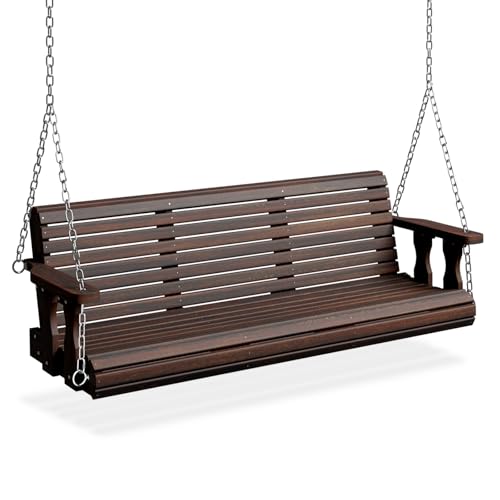
Porch Swing Chair: The Complete Buying Guide
Everything you need to choose a comfortable, durable, and safe porch swing chair — from frame materials and hanging hardware to cushion fabrics and long-term care.
START THE GUIDEWhy this guide matters: A porch swing chair is one of the most rewarding outdoor purchases you can make — but only if it fits your porch, your climate, and your daily use. This guide walks you through the decisions that actually matter: frame construction, suspension systems, comfort features, safety ratings, and maintenance. By the end, you'll know exactly which swing type suits your space and how to install it safely.
What Is a Porch Swing Chair?
A porch swing chair is a suspended seating piece designed for covered outdoor areas such as porches, decks, and verandas. Unlike a fixed porch bench, a swing chair moves gently back and forth on chains, ropes, or straps, creating a relaxing rocking motion. Most models seat one to three people, and many include cushions, cup holders, and canopy options.
The category overlaps with several related products. A porch swing generally refers to the broader family, while a porch glider uses a mechanical gliding mechanism instead of suspension. If you want a swing that can double as a lounger, a porch swing bed or a porch swing that converts to a bed may be a better fit. For freestanding setups, a porch swing with stand eliminates the need for ceiling mounting.
Key Buying Factors
Before you compare specific models, evaluate these five factors. They determine how comfortable, safe, and long-lasting your swing will be.
Frame Material
Wood, powder-coated steel, aluminum, and poly lumber each offer different trade-offs in weather resistance, weight, and maintenance.
Suspension System
Chains, ropes, and straps affect the swing's motion, noise, and load distribution. Hardware rating matters as much as the frame.
Seating Comfort
Cushion thickness, back height, armrest design, and seat depth determine how long you can comfortably sit.
Installation Type
Ceiling-mounted, stand-mounted, or tree-mounted setups require different clearance, anchoring, and hardware.
Weather Resistance
Rust-proof finishes, UV-resistant fabrics, and drainage-friendly seat design extend the swing's usable life outdoors.
Safety Rating
Check the stated weight capacity, hardware certifications, and whether the frame is rated for the number of seats advertised.
Frame Materials Compared
The frame is the backbone of any porch swing chair. Here's how the most common materials compare across the qualities that matter most.
| Material | Best For | Weather Resistance | Maintenance |
|---|---|---|---|
| Wood (cedar, teak, pine) | Classic porches, traditional style | Moderate — needs sealing | Annual sealant or oil |
| Powder-coated steel | High-traffic porches, heavy-duty use | High — rust-proof finish | Wipe-down, occasional touch-up |
| Aluminum | Humid or coastal climates | Excellent — rust-resistant | Minimal |
| Poly lumber / resin | Low-maintenance households | Excellent — waterproof | Soap and water |
| Wicker / rattan | Coastal and boho decor | Moderate — needs cover | Regular inspection |
If you're comparing wood and poly options more broadly, our guides on poly lumber and poly furniture explain the long-term trade-offs in detail. For metal frames, the finish quality matters as much as the base metal — powder-coated outdoor furniture generally outperforms painted alternatives in humid conditions.
Product Tiers: What to Expect
Porch swing chairs fall into three broad market tiers. Understanding what each tier typically delivers helps you match your expectations to the product.
| Tier | Typical Build | Best For |
|---|---|---|
| Entry-level | Lighter frames, basic chains, thinner cushions | Occasional use, covered porches, seasonal setups |
| Mid-range | Reinforced frames, smoother suspension, denser cushions | Regular family use, year-round porches |
| Premium / high-end tier | Heavy-duty construction, premium hardware, high-grade fabrics | Daily use, exposed locations, long-term investment |
A mid-range swing typically offers smoother motion and better cushion support than an entry-level model, while premium models focus on hardware durability and fabric longevity. If you want a swing that matches a freestanding setup, look for models designed for use with a porch swing frame rather than ceiling-only mounting.
Comfort Features That Matter
Comfort is subjective, but a few design details consistently make a difference:
- Seat depth: Deeper seats suit lounging; shallower seats suit upright sitting and conversation.
- Back height: Higher backs support the shoulders and neck during long sits.
- Cushion density: Denser foam holds shape longer; removable covers simplify cleaning.
- Armrests: Wide, flat armrests double as cup holders or book rests.
- Cup holders: Built-in holders, like those on a porch swing with fold-down cup holder, add everyday convenience.
- Canopy or shade: Useful on sunny porches, though most models rely on the porch roof for shade.
If you're furnishing a larger porch, pair your swing with complementary pieces such as a porch chair or porch table to create a complete seating zone. For a full overview of porch furnishing, see our porch furniture guide.
Installation & Safety
A porch swing chair is only as safe as its mounting. Before hanging, confirm three things:
- Ceiling structure: The beam or joist must be rated for the swing's loaded weight — including people and cushions.
- Hardware rating: Chains, bolts, and mounting plates should be rated above the swing's stated capacity.
- Clearance: Allow enough space front and back for the swing's full arc of motion.
If your porch can't support a ceiling mount, a porch swing with stand or a dedicated porch swing frame is the safer choice. For a broader look at porch seating options, including gliders, see porch glider swing and porch rocking chairs.
Ready to Compare Models?
Browse our recommended porch swing chairs below, selected for build quality, comfort, and safety.
View RecommendationsCare & Maintenance
A few simple habits keep your swing comfortable and safe season after season:
- Inspect chains, bolts, and mounting plates at the start of each season.
- Clean frames with mild soap and water; avoid abrasive cleaners on powder-coated finishes.
- Remove and store cushions during heavy rain or off-season months.
- Apply sealant to wood frames annually, especially in humid climates.
- Use a fitted cover if the swing stays outdoors through winter.
For related outdoor care topics, explore our guides on weatherproofing and rain barrels if you're planning a broader porch refresh.
Frequently Asked Questions
How much weight can a porch swing chair hold?
Weight capacity varies by model and build quality. Entry-level swings typically support two average adults, while mid-range and premium frames often handle higher capacities. Always check the manufacturer's stated limit and ensure your porch structure and hanging hardware are rated for that load.
Do I need a stand for my porch swing chair?
A stand is optional if your porch has a solid ceiling beam rated for the load. If you rent, have a low or unsupported ceiling, or want a freestanding solution, a dedicated porch swing stand is the safer choice. It also lets you move the swing around the yard.
What is the best material for a porch swing chair?
Wood offers classic warmth and repairability, while powder-coated steel and aluminum resist rust and need less upkeep. Resin and poly lumber are weatherproof and low-maintenance. The best choice depends on your climate, maintenance preference, and porch style.
Can a porch swing chair be left outside in winter?
Most quality swings can stay outdoors year-round, but prolonged freezing temperatures, heavy snow loads, and moisture can wear on cushions and hardware. Use a fitted cover, inspect chains and bolts before the season, and store removable cushions indoors during the off-season.