Quality Outdoor Furniture: How to Choose Pieces Built to Last
Frames, fabrics, finishes, and tier-by-tier guidance so you can invest in outdoor furniture that survives sun, rain, and daily use.
Explore the Materials GuideWhy this guide matters: Outdoor furniture endures conditions indoor pieces never face — UV radiation, moisture, temperature swings, and constant use. Understanding what separates durable construction from fragile design helps you choose wisely and avoid replacing pieces every few seasons. This guide walks through materials, construction signals, and a tier-based framework so your next purchase is an informed one.
What Makes Outdoor Furniture “Quality”?
Quality in outdoor furniture is not a single feature but a combination of factors working together. A sturdy frame with poor cushions still fails; premium fabric on a flimsy frame is equally disappointing. The strongest pieces combine durable frame materials, reinforced joinery, weather-resistant finishes, and UV-stable textiles.
When evaluating any piece, consider four dimensions:
- Frame material and gauge: The skeleton determines structural longevity. Powder-coated aluminum, solid teak, and high-grade poly lumber are among the most trusted options.
- Joinery and hardware: Welds should be smooth and continuous. Bolts, screws, and brackets should be stainless steel or similarly rust-resistant.
- Finish and coating: Powder coating, marine-grade sealants, and UV-stable paints protect against corrosion and fading.
- Fabric and cushioning: Solution-dyed acrylics and quick-dry foams resist mildew and color loss far better than standard polyester.
If you are weighing different frame constructions, our overview of powder-coated outdoor furniture explains how this finish improves durability and appearance retention.
Material-by-Material Comparison
Each material brings distinct strengths and trade-offs. The best choice depends on your climate, usage intensity, and design preferences.
Powder-Coated Aluminum
Lightweight, rust-proof, and highly weather-resistant. Ideal for coastal and humid climates. Mid-range and premium tiers offer thicker gauges and reinforced welds. Explore powder-coated aluminum patio furniture for a deeper dive.
Solid Teak & Hardwoods
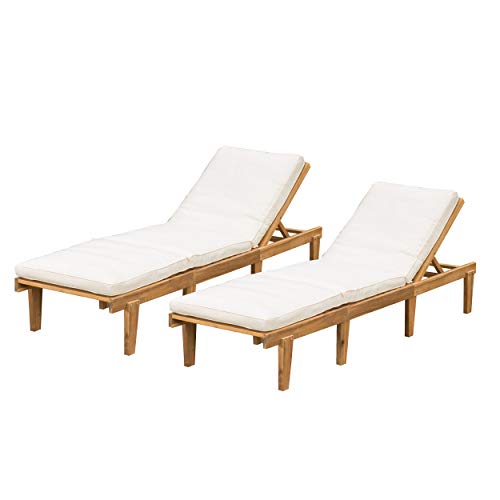
Naturally rot-resistant and long-lasting when properly sealed. Teak develops a silver patina over time unless oiled. High-end tier pieces use plantation-grown teak with precision joinery.
Poly Lumber
Made from recycled plastics, it resists moisture, insects, and UV fading without splintering. Low maintenance and increasingly popular for poly furniture in all climates. Learn more about poly lumber construction.
Wrought Iron & Steel
Strong and classic, but heavier and prone to rust if coatings fail. Best for covered patios. Premium tiers use galvanized or powder-coated steel with marine-grade hardware.
Wicker & Rattan
Natural rattan is beautiful but requires protection. Synthetic resin wicker over aluminum frames is the durable modern alternative — see rattan chairs outdoor options.
Pressure-Treated Wood
Durable and versatile for frames and tables. Requires periodic sealing. Learn about pressure-treated wood for outdoor furniture and proper maintenance.
Tier Framework: Entry-Level to Luxury
Rather than focusing on absolute numbers, evaluate furniture by relative market tiers. Each tier reflects a different balance of materials, construction detail, and expected lifespan.
| Tier | Typical Construction | Best For |
|---|---|---|
| Entry-Level / Essential Tier | Thinner aluminum or steel frames, basic powder coating, standard polyester cushions, simple fasteners | Light use, covered patios, seasonal setups, first-time buyers |
| Mid-Range / Balanced Tier | Reinforced aluminum frames, better welds, solution-dyed acrylic cushions, stainless hardware | Daily use, family patios, mixed sun exposure, long-term outdoor living |
| Premium / High-End Tier | Heavy-gauge aluminum or solid teak, marine-grade hardware, high-density quick-dry foam, precision joinery | Full sun exposure, coastal climates, frequent entertaining, design-focused spaces |
| Luxury / Commercial-Grade | Architectural-grade frames, hand-finished details, contract-grade fabrics, extended structural warranties | Hospitality use, permanent outdoor rooms, maximum longevity expectations |
Mid-range models typically offer the most balanced combination of durability and design flexibility. The jump from entry-level to mid-range usually brings noticeably better welds, thicker frames, and more resilient cushioning — improvements that pay off in daily use.
Construction Signals to Check Before Buying
Visual inspection reveals a great deal about build quality. Look for these indicators when comparing pieces in person or reviewing product details online:
- Weld quality: Smooth, continuous welds without gaps or spatter indicate careful manufacturing.
- Frame weight and gauge: Heavier frames usually signal thicker material; test by lifting if possible.
- Hardware: Stainless steel or coated fasteners resist rust far better than untreated steel.
- Joint reinforcement: Gussets, corner braces, and double bolts add rigidity to high-stress areas.
- Cushion construction: Quick-dry foam and solution-dyed fabric are hallmarks of thoughtful outdoor design.
- Finish coverage: Powder coating should cover all surfaces, including hidden frame sections.
- Feet and glides: Protective caps prevent scratching and reduce moisture contact with the frame.
Fabric and Cushion Quality
Cushions are often the first component to show wear, but they are also where quality differences are most visible. Solution-dyed acrylic fabrics hold color and resist mildew significantly better than standard polyester. Quick-dry foam cores allow water to drain and air to circulate, reducing the risk of mold.
For deeper guidance on selecting and maintaining textiles, see our replacement cushions guide. When comparing tiers, remember that premium cushioning on a mid-range frame often outperforms basic cushions on a premium frame in real-world use.
Matching Furniture to Your Space
The right furniture depends as much on the setting as on the material. A covered porch tolerates a wider range of materials than a fully exposed deck. Coastal environments demand rust-proof frames and marine-grade hardware. Poolside areas benefit from quick-dry cushions and non-slip feet.
If your space is a porch or covered patio, our porch and patio overview covers layout and material considerations. For poolside setups, explore pool patio furniture and pool lounge chairs that don’t rust.
Care and Maintenance for Longevity
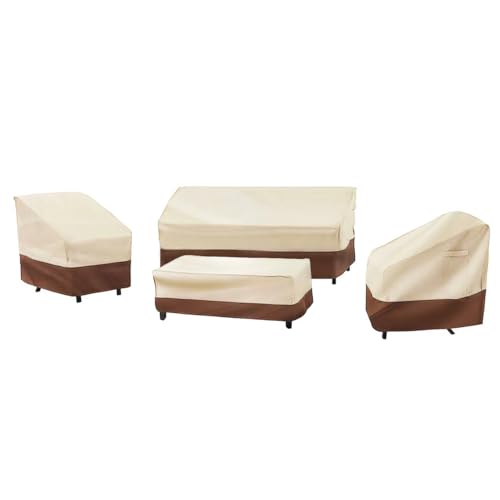
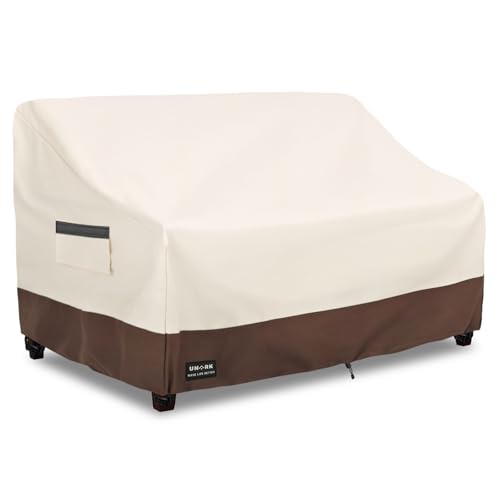
Even the best-built furniture benefits from routine care. Rinse frames periodically, clean cushions according to manufacturer guidance, and store or cover pieces during extreme weather. Powder-coated surfaces should be wiped clean to prevent dirt buildup that can dull the finish over time.
For specific care routines, see our guides on powder-coated aluminium outdoor furniture and poly glider maintenance. Proper care can extend the useful life of quality pieces by many seasons.
Frequently Asked Questions
What makes outdoor furniture high quality?
High-quality outdoor furniture combines durable frame materials such as powder-coated aluminum, solid teak, or high-grade poly lumber with reinforced joinery, weather-resistant finishes, and UV-stable fabrics. Consistent welding, stainless-steel hardware, and tight tolerances are reliable indicators of careful construction.
Which outdoor furniture material lasts the longest?
Solid teak, powder-coated aluminum, and high-grade poly lumber are among the most durable options. Teak resists rot naturally, powder-coated aluminum resists rust, and poly lumber withstands moisture and UV exposure without splintering or fading quickly.
Is powder-coated aluminum better than steel for patios?
Powder-coated aluminum is generally the better choice for patios because it is lightweight, rust-proof, and highly weather-resistant. Steel is stronger but heavier and requires impeccable coating to avoid rust, especially in coastal or humid climates.
How do I evaluate outdoor furniture tiers?
Compare tiers by construction details rather than labels: entry-level pieces often use thinner frames and basic fasteners, mid-range models add reinforced joints and better cushions, and premium or high-end tiers feature heavier frames, marine-grade hardware, and solution-dyed fabrics designed for long-term exposure.
Ready to Choose With Confidence?
Use this guide as your checklist when comparing pieces online or in stores. Focus on construction signals, match materials to your climate, and select the tier that fits your usage intensity.
Review the Materials Guide