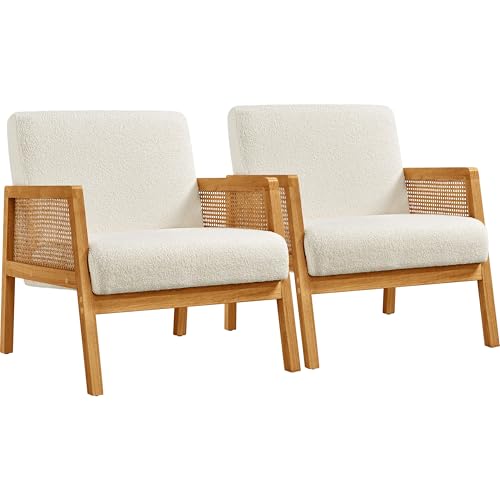
Rattan Accent Chair: The Complete Outdoor Buying Guide
Everything you need to know before choosing a rattan accent chair for your patio, porch, or sunroom — materials, frame construction, weave quality, comfort, and styling.
START THE GUIDEWhy rattan accent chairs deserve a spot in your outdoor space: They bring texture, warmth, and a natural aesthetic that pairs well with almost any patio style — from coastal and bohemian to modern farmhouse. But not all rattan is built the same. This guide breaks down the real differences so you can choose a chair that looks great and holds up season after season.
What Exactly Is a Rattan Accent Chair?
A rattan accent chair is a decorative statement piece woven from rattan — a climbing palm native to Southeast Asia — or from synthetic materials designed to mimic its look. Unlike a full patio set, an accent chair is typically placed as a standalone feature: a reading corner, a conversation pairing with a side table, or a focal point near a fire pit. Its open weave and lightweight frame make it visually airy, so it works especially well on smaller patios and porches where bulky furniture would feel heavy.
The term "rattan" is often used interchangeably with "wicker," but they are not the same. Wicker refers to the weaving technique, while rattan is the material itself. A chair can be woven wicker made from rattan, from synthetic resin, or even from willow. When shopping, the key question is not "is it wicker?" but "what is the weave made of, and what is the frame underneath?"
If you are still mapping out your overall seating plan, our guide to outdoor rattan chairs covers the broader category and helps you see how an accent chair fits alongside loungers, dining sets, and benches.
Natural Rattan vs. Synthetic Rattan: Which One Belongs Outdoors?
This is the single most important decision you will make. The material determines where the chair can live, how long it lasts, and how much maintenance it demands.
- Natural rattan: Genuine rattan palm has a warm, organic grain and a lighter weight. It is beautiful on a covered porch or screened sunroom, but it is sensitive to prolonged rain and direct sun. Natural rattan can dry out, crack, or grow mildew if left exposed. It typically needs a protective sealant once or twice a year and should be kept under a roof or awning.
- Synthetic rattan (all-weather wicker): Made from high-density polyethylene (HDPE) or similar resins woven over a metal frame. It resists UV fading, rain, and humidity, and it requires only occasional rinsing. Most modern outdoor rattan accent chairs are synthetic. The better mid-range and premium options use thicker, UV-stabilized strands that hold color and texture far longer than entry-level weaves.
- Hybrid constructions: Some chairs use natural rattan for visible surfaces and synthetic material for structural wraps. These are a compromise — attractive, but still best kept on a covered porch.
If your chair will sit fully uncovered, treat synthetic rattan as the default requirement. If it will live on a covered porch or in a sunroom, natural rattan is viable and rewards you with a richer, more authentic texture. For readers planning a full porch setup, our porch furniture guide explains how accent chairs integrate with benches, gliders, and side tables.
Quality Tiers: How to Read the Market
Rather than chasing a specific figure, it helps to understand the three broad tiers of rattan accent chairs on the market. Each tier reflects construction quality, weave density, frame strength, and finish durability — not a number.
Entry-Level Tier
Thinner synthetic strands, lighter frames, and simpler cushion construction. Best for occasional use on a covered balcony or as a decorative accent. Expect to re-tighten or touch up the finish sooner than higher tiers.
Mid-Range Tier
Denser weave, powder-coated aluminum frames, and better foam cushions with removable, washable covers. A solid choice for regular outdoor use and the sweet spot for most homeowners who want durability without stepping into premium territory.
Premium Tier
High-density, UV-stabilized weave over reinforced aluminum, with marine-grade hardware and thicker, quick-dry cushions. Designed for full sun and heavy daily use, and the tier most likely to hold its appearance across many seasons.
Within a given tier, look for small construction details that separate a well-specified chair from a generic one: tightly wrapped joints, a visible frame that feels rigid rather than springy, and feet with protective glides. A mid-range chair with a solid aluminum frame often outperforms a premium-labeled chair with a weaker frame and a softer weave.
Frame Construction: The Hidden Backbone
The weave gets the attention, but the frame carries the weight and decides how long the chair stays square and stable. Here is how the common frame materials compare for outdoor use:
| Frame Material | Best For | Durability Notes |
|---|---|---|
| Powder-coated aluminum | Full outdoor exposure, balconies, patios | Rust-resistant, lightweight, and the standard for quality outdoor rattan. Check that the coating is intact at joints. |
| Steel | Covered porches, heavier seating | Very strong but heavier and prone to rust if the coating chips. Needs a dry location or careful maintenance. |
| Solid wood | Covered sunrooms, coastal interiors | Warm look, but wood expands and contracts with moisture. Requires sealing and protection from direct rain. |
| Untreated metal or thin wire | Temporary or decorative use only | Avoid for daily outdoor seating. Flexes under weight and corrodes quickly. |
If you want to go deeper on frame finishes, our overview of powder-coated aluminium outdoor furniture explains why this finish is the benchmark for rust resistance. It is also worth comparing how these chairs sit next to other woven seating in our outdoor rattan chair collection guide.
Comfort and Ergonomics: What to Check Before You Commit
An accent chair is often the chair guests gravitate toward, so comfort matters more than its small footprint suggests. Pay attention to these details:
- Seat depth and height: A seat depth of roughly 19–22 inches suits most adults. A seat height around 17–18 inches pairs well with standard side tables and makes getting up easier for older guests.
- Back angle: A slight recline (about 100–105 degrees) is more comfortable for long conversations than a rigid upright back. Deep lounging chairs may look relaxed but can be awkward for dining-adjacent seating.
- Cushion construction: Quick-dry foam wrapped in a removable, washable cover is the outdoor standard. Thicker cushions improve comfort but retain more water — check that the cover has drainage or is water-resistant.
- Armrests: Woven armrests are part of the design, so check that the top surface is smooth enough to rest a forearm on. A slight curve helps.
- Weight capacity: Most mid-range and premium chairs are rated between 250 and 350 pounds. Verify the stated capacity, especially if the chair will be shared among guests of different sizes.
For a broader look at how accent chairs pair with outdoor living zones, browse our outdoor living hub — it maps seating, shade, and dining layouts that help you decide where an accent chair belongs.
Styling a Rattan Accent Chair in Real Outdoor Spaces
A rattan accent chair is versatile because its texture reads as natural without being rustic. A few placement ideas that work in practice:
- Reading nook on a porch: Pair one chair with a small side table and a floor lamp or outdoor lighting for an evening corner. Our porch chair guide covers complementary seating styles.
- Conversation pair by a fire pit: Two matching rattan accent chairs facing a fire pit create an intimate zone. Browse fire pits to match the scale.
- Balcony accent: A single chair plus a slim planter keeps a small balcony functional. See balcony decor for compact layout ideas.
- Poolside accent: Choose a synthetic weave and place it under partial shade near pool lounge chairs for a layered seating arrangement.
- Sunroom anchor: Natural rattan is especially at home here. Pair with a rattan bench or a rattan bedside table for a cohesive woven look.
If you are building out a full woven furniture set, our rattan bar furniture and rattan benches guides help you extend the same material language across the space.
Care and Maintenance: Making It Last
Rattan accent chairs are low-maintenance when you match the care routine to the material:
- Synthetic rattan: Rinse with a garden hose and mild soap every few weeks during the season. Wipe dry with a soft cloth. Avoid pressure washers, which can fray the weave and dull the finish.
- Natural rattan: Dust with a soft brush or vacuum brush attachment. Keep it out of direct rain and apply a rattan-specific sealant once or twice a year. Move it indoors during extreme weather.
- Cushions: Store them indoors or in a ventilated storage box during the off-season. Mildew is the most common cause of premature cushion replacement.
- Covers: A fitted outdoor cover protects both natural and synthetic chairs during long stretches of bad weather. Our patio furniture cover guide explains how to choose one that breathes rather than traps moisture.
For seasonal maintenance routines, see our outdoor care section and the weatherproofing guide.
Common Buying Mistakes to Avoid
- Assuming all wicker is weatherproof. Natural rattan and indoor wicker will degrade outdoors. Confirm the material and the frame before placing any chair in an exposed spot.
- Ignoring the frame. A beautiful weave on a flimsy frame will not last. Ask what the frame is made of and whether the coating is intact at the joints.
- Buying for looks only. Sit in the chair if possible, or check the seat depth and back angle against your own proportions. Comfort is a buying criterion, not a bonus.
- Skipping the cover. Even synthetic rattan benefits from a cover during the off-season. It protects the weave from UV fatigue and debris.
- Overlooking scale. An accent chair should complement, not crowd, the space. Measure the footprint and leave walking clearance around it.
Ready to compare real options?
Browse curated rattan accent chairs below and read the specification details — material, frame, and cushion construction — before you decide.
View Recommended ChairsFrequently Asked Questions
Is a rattan accent chair suitable for outdoor use?
Yes, but it depends on the rattan type. Natural rattan requires a covered porch or regular treatment, while synthetic rattan (often called all-weather wicker) is engineered for full outdoor exposure including rain and UV. Always check the manufacturer's weather-resistance rating before placing any chair in an uncovered area.
How do I tell natural rattan from synthetic rattan?
Natural rattan has a warm, slightly irregular grain and a lighter weight. Synthetic rattan is uniform in color and weave, feels slightly cooler or more plastic-like to the touch, and is usually stretched over an aluminum frame. Look at the frame material: powder-coated aluminum paired with wicker almost always signals a synthetic, all-weather build.
What frame material should I look for in a rattan accent chair?
For outdoor use, powder-coated aluminum is the strongest choice because it resists rust and stays lightweight. Steel is heavier and can rust if the coating chips. Solid wood frames suit covered porches but need more seasonal care. Avoid untreated metal or thin wire frames that flex under weight.
How much weight can a typical rattan accent chair support?
Most mid-range and premium outdoor rattan chairs are rated between 250 and 350 pounds. Entry-level models often support less. Always check the stated weight capacity in the product specifications, especially if the chair will be used by heavier adults or shared among guests.
How should I clean and maintain a rattan accent chair?
For synthetic rattan, rinse with a hose and mild soap, then wipe dry with a soft cloth. Avoid pressure washers, which can fray the weave. For natural rattan, dust with a soft brush and keep it out of direct rain; apply a rattan-specific sealant once or twice a year. Store cushions indoors during off-season to prevent mildew.
Still deciding where the chair fits in your layout? Start with our porch and patio overview and our small patio ideas guide for space-planning context.