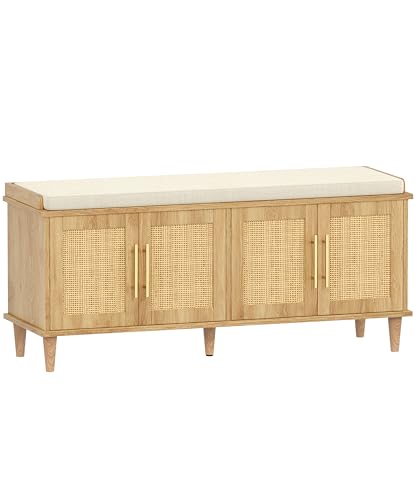
Rattan Benches: The Complete Outdoor Buying Guide
From woven natural fibers to all-weather synthetic resin, rattan benches bring texture, warmth, and versatile seating to patios, porches, and garden nooks. Learn how to choose the right frame, weave, size, and cushion for your space.
Explore Recommended OptionsWhy rattan benches deserve a place in your outdoor plan: A bench is one of the most efficient seating pieces you can add to an outdoor area. It seats two or three people in a footprint that is often smaller than a pair of chairs, and the woven texture of rattan softens hard patio surfaces in a way that solid frames cannot. This guide walks through the material differences, size planning, style matching, and maintenance routines that help you choose a bench you will keep for years.
What Exactly Counts as a Rattan Bench?
The term rattan bench covers a broad family of woven outdoor seating. At its core, it describes a bench whose seat, back, and often the frame itself are built from rattan or a rattan-like woven material. The weave is what gives these benches their signature look: a repeating basket pattern that reads as relaxed, natural, and slightly coastal.
In practice, you will encounter three main constructions:
- Natural rattan frames and weave — made from the rattan vine, valued for authentic texture and a warm honey tone. Best suited to covered porches and sheltered patios.
- Synthetic rattan (PE or HDPE) weave over a metal frame — the most common outdoor option. The resin weave mimics natural rattan while resisting moisture and UV fading, and the internal frame is usually powder-coated aluminum or steel.
- Rattan-style woven benches with solid wood or metal accents — hybrid designs that pair a woven seat or back with timber legs or a metal base for extra structural rigidity.
If you are still mapping out your overall outdoor seating plan, it helps to compare bench styles alongside other seating categories. Our guide to porch benches covers the broader bench landscape, while rattan chairs outdoor explores the matching chair side of the same woven family.
Natural Rattan vs Synthetic Rattan: Which Belongs Outdoors?
This is the single most important decision in the buying process, because it determines where the bench can live and how much upkeep it will need.
Natural Rattan
Natural rattan is a plant fiber. It is flexible, lightweight, and ages into a rich patina that many homeowners find irreplaceable. However, it is also hygroscopic, meaning it absorbs moisture from the air. Prolonged rain, standing water, and freeze-thaw cycles can cause swelling, cracking, and eventually mold. Natural rattan also fades in direct sun over time.
Best placement: covered porches, screened sunrooms, roofed patios, and indoor-outdoor transition zones. If your bench will sit fully exposed to rain and sun, natural rattan is a demanding choice.
Synthetic Rattan
Synthetic rattan is extruded from polyethylene (PE) or high-density polyethylene (HDPE) and woven over a metal frame. The better grades are solution-dyed, meaning the color runs through the material rather than sitting on the surface, which dramatically improves UV resistance. Synthetic weave does not absorb water, does not feed mold, and can be hosed down for cleaning.
Best placement: exposed patios, pool decks, balconies, and any location with rain, salt air, or strong afternoon sun. A powder-coated aluminum frame paired with a quality synthetic weave is the most weather-durable combination in this category. For a deeper look at frame finishes, see our notes on powder-coated aluminium outdoor furniture.
Quick rule of thumb
If the bench will get wet, choose synthetic rattan over a powder-coated metal frame. If the bench will stay dry under a roof, natural rattan is a beautiful and legitimate option — just plan to protect it during storm season.
Sizing a Rattan Bench for Your Space
Bench sizing mistakes usually come from measuring the bench but not the walking space around it. Use the following planning numbers as a starting point.
| Bench Type | Typical Seat Width | Best For | Clearance to Plan |
|---|---|---|---|
| Two-seat accent bench | 40–48 inches | Balconies, entryways, small patios | 18–24 inches on walking sides |
| Standard three-seat bench | 48–60 inches | Porches, garden nooks, dining flanking | 24 inches in front for legroom |
| Loveseat-style rattan bench | 50–62 inches | Lounging, paired with a low table | 24–30 inches in front |
| Long garden bench | 60–72 inches | Large patios, poolside, entertaining zones | 30 inches on main traffic side |
Seat height matters too. Dining-height benches usually sit around 17–19 inches at the seat, which pairs with a standard 28–30 inch dining table. Lounge-height benches sit lower, often 14–16 inches, and work best with low coffee tables or no table at all. Measure your existing table height before committing to a bench for dining use.
If your space is tight, a two-seat woven bench often replaces two separate chairs with less visual clutter. Our small patio ideas guide has more layout strategies for compact footprints.
Matching Rattan Benches to Your Patio Style
Rattan is stylistically flexible, but the frame shape and cushion choices decide which direction it leans.
Coastal and Nautical
Look for rounded arms, a gently curved back, and light natural or whitewashed weave. Pair with striped or solid solution-dyed cushions in sand, navy, or seafoam. This is the most traditional rattan bench look and works well on open porches and poolside decks.
Modern and Minimalist
Choose a bench with a squared silhouette, slim powder-coated legs, and a tight, uniform weave in charcoal or deep brown. Skip the skirted cushion and use a thin, tailored pad instead. This style reads clean against concrete, composite decking, and rendered walls.
Bohemian and Layered
A rounded or barrel-back rattan bench is the anchor piece here. Add a thick cushion in a warm neutral, then layer textiles, a woven throw, and a mix of planter sizes nearby. Our bohemian oasis guide covers the full styling approach.
Rustic and Farmhouse
Hybrid benches with woven backs and solid wood legs fit this direction well. Earthy tones, visible grain, and a slightly distressed finish keep the look grounded. See rustic farmhouse patio for complementary material choices.
For broader palette guidance, the earthy tones palette article explains how woven textures interact with warm and cool neutrals.
Build Quality: What to Inspect Before You Commit
Two benches can look identical in a photo and perform very differently after two seasons outdoors. Focus on these structural details.
- Frame material: Powder-coated aluminum is the best all-weather core for synthetic rattan. Steel is stronger but heavier and must have a flawless coating to resist rust. Solid wood cores are warm but need more maintenance.
- Weave density: Run your hand across the weave. Tight, evenly tensioned strands with no gaps or loose ends indicate better construction. Loose weaving is the first thing to fail.
- Joint construction: Welded or bolted joints should be clean and flush. On woven benches, check that the weave is anchored at the arms and back edges, where stress concentrates.
- Weight and stability: A bench that feels light for its size often has a thin frame. Sit down and shift your weight side to side; there should be no wobble.
- Feet and floor protection: Look for replaceable glides or caps. On stone and composite decking, these protect both the bench and the surface.
- Cushion specification: Outdoor-rated quick-dry foam and solution-dyed acrylic covers last significantly longer than standard upholstery materials. Removable, zippered covers are a practical bonus.
If you are comparing woven benches against solid alternatives, our guides to poly furniture and quality outdoor furniture explain how durability signals differ across material families.
Comfort Planning: Cushions, Depth, and Ergonomics
Woven seats are firm by nature. A cushion is not an accessory on a rattan bench — it is the comfort layer that makes the bench usable for long sittings.
- Dining and entryway benches: a 2–3 inch pad is usually enough. It keeps the seat height compatible with standard tables.
- Lounging benches: 3–4 inches of quick-dry foam gives a noticeably softer sit and suits reading or conversation use.
- Seat depth: 17–19 inches is comfortable for most adults on a dining-height bench. Lounge benches with 20–24 inches of depth feel more like a sofa seat.
- Back angle: a slight recline of around 100–105 degrees is more comfortable than a perfectly vertical back for long sittings.
- Tie-downs: fabric ties or hook-and-loop straps keep the cushion from sliding in wind. This is a small detail that matters on an exposed patio.
Outdoor cushion care is covered in more depth in our outdoor cushion guide, including storage and cleaning routines.
Where Rattan Benches Work Best
Placement determines both function and lifespan. These are the highest-value positions for a woven bench.
Porch and Entryway
A two-seat bench beside the front door creates a natural drop zone and a welcoming first impression. This is also the safest location for natural rattan because it is typically under a roof. Browse porch furniture and porch decor for surrounding pieces.
Garden Nook
Tucked among plantings or at the end of a path, a woven bench becomes a destination rather than just seating. Pair it with a small side table and a lantern. The garden and decor section covers complementary accents.
Patio Dining Flanking
A rattan bench on one long side of a dining table frees up chairs for the ends and opposite side, and it visually unifies mixed seating. This works especially well on rectangular tables.
Poolside and Deck Edge
Use only synthetic rattan here. A bench at the pool edge gives swimmers and spectators a place to sit without dragging wet chairs around. See pool furniture and poolside loungers for the wider poolside setup.
Balcony and Small Patio
A narrow two-seat bench along a railing can replace two chairs and open up floor space. Keep depth under 24 inches for tight balconies.
Care and Maintenance Routines
Rattan benches are low-effort when you match the maintenance plan to the material.
Synthetic Rattan
- Dust or vacuum the weave monthly with a soft brush attachment.
- Wash with mild soap and water, then rinse with a garden hose.
- Air dry fully before replacing cushions.
- Use a fitted cover during off-season or prolonged storms.
- Check frame touch-ups annually; small coating chips should be sealed promptly.
Natural Rattan
- Dust with a soft brush; wipe with a barely damp cloth only.
- Never soak or hose down natural rattan.
- Bring indoors or cover during rain, frost, and humid spells.
- Keep away from direct sprinkler spray and standing water.
- Apply a rattan-appropriate protectant annually if the manufacturer recommends it.
For a full seasonal routine, see our weatherproofing guide and winter storage guide. If rust appears on a metal frame, our rust removal tips cover safe treatment.
Rattan Bench Tiers at a Glance
Instead of focusing on numbers, compare benches by their position in the market. The table below uses consistent tier language to help you calibrate expectations.
| Tier | Typical Build | Best For | What to Expect |
|---|---|---|---|
| Entry-level | Thinner synthetic weave, steel or light aluminum frame | Balconies, seasonal use, first outdoor setup | Solid basic function; inspect weave tension carefully |
| Mid-range | Denser PE weave, powder-coated aluminum frame, better cushions | Year-round covered patios, family use | Noticeably smoother weave and more consistent finish |
| Premium | Solution-dyed HDPE weave, reinforced frame, quick-dry cushions | Exposed patios, poolside, high-use seating | Strong UV and moisture resistance, refined detailing |
| Luxury | Hand-finished weave, precision frame engineering, designer cushions | Statement patios, hospitality-grade settings | Top-tier craftsmanship and long service life |
Tier language is relative, not absolute. A well-built mid-range bench from a reputable maker often outperforms a poorly built premium-labeled one, so inspect construction details rather than relying on labels alone.
Common Buying Mistakes to Avoid
- Choosing natural rattan for an exposed patio. This is the most frequent and most costly mistake. Match the material to the exposure.
- Ignoring seat height relative to the table. A lounge-height bench paired with a dining table is uncomfortable for meals.
- Skipping the cushion specification. Standard foam traps water and degrades quickly. Quick-dry outdoor foam is worth prioritizing.
- Buying without measuring clearance. A bench that fits the wall but blocks the walking path defeats the purpose.
- Overlooking frame coating quality. Chipped or thin coatings are where rust begins, especially on steel cores.
- Forgetting storage. Even synthetic rattan lasts longer with a cover and a dry off-season position.
Frequently Asked Questions
Is natural rattan suitable for outdoor benches?
Natural rattan is best kept in covered, sheltered spots such as a porch or sunroom. For fully exposed patios, synthetic rattan (PE or HDPE weave) is the more dependable choice because it resists moisture, UV fading, and temperature swings.
How do I measure for a rattan bench?
Measure the available footprint first, then leave at least 18 to 24 inches of clearance on walking sides and in front for legroom. For dining-height benches, allow roughly 24 inches of seat width per person; for lounging benches, 30 inches or more per sitter feels more comfortable.
Can a rattan bench stay outside all year?
Synthetic rattan frames with powder-coated aluminum or steel cores can handle year-round exposure in most climates. Natural rattan should be brought in or covered during rain, frost, and prolonged damp periods. A fitted cover and a dry, elevated position extend the life of either type.
How do I clean a rattan bench?
Dust the weave regularly with a soft brush, then wipe with a damp cloth and mild soap. Rinse synthetic rattan with a garden hose and let it air dry fully. For natural rattan, use a barely damp cloth only and avoid soaking the fibers.
What cushion thickness works best on a rattan bench?
A 2 to 3 inch cushion is a good balance for dining and entryway benches, while 3 to 4 inches suits lounging benches where comfort matters most. Choose quick-dry, outdoor-rated foam and solution-dyed acrylic covers for the longest service life.