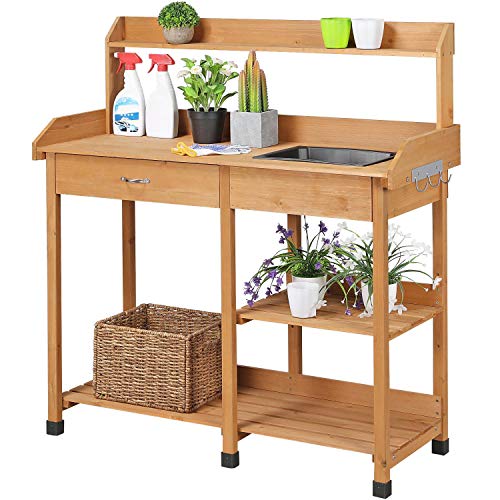
Potting Table Guide: Choosing the Best Outdoor Potting Bench
Everything you need to know before buying a potting table — from work surface height and storage layout to material durability and weather protection. Built for gardeners who want a practical, long-lasting outdoor workspace.
Explore the Buying GuideWhy a potting table matters: A dedicated potting bench turns messy, back-straining garden prep into an organized and enjoyable routine. It gives you a stable work surface at the right height, keeps soil and tools contained, and protects your plants during repotting. This guide walks you through the decisions that actually affect daily use — height, material, storage, and placement — so you can choose a bench that fits your garden and your body.
What Is a Potting Table and Why Do You Need One?
A potting table — also called a potting bench or garden workbench — is a sturdy outdoor work surface designed specifically for plant-related tasks. It typically includes a flat worktop, one or more shelves or drawers for storage, and often a back panel with hooks or a hutch for hanging tools. Some models include a removable basin, a built-in sink, or a soil bin that makes mixing potting mix far easier.
Gardeners who repot plants, start seeds, or maintain container gardens quickly discover that working on the ground is hard on the knees and back. A well-designed bench raises the work to a comfortable standing height, keeps soil from scattering across the patio, and gives every tool a designated home. It also doubles as a display piece — many potting tables look attractive enough to leave out year-round on a porch and patio or beside a raised planter garden.
If you also maintain water features or container displays, a potting station pairs naturally with nearby outdoor planters and garden decor. And if your outdoor space includes a pond or water garden, consider how the bench placement relates to your ponds and surrounding garden beds for a cohesive workflow.
Key Features to Evaluate Before You Buy
Not every potting table is built for the same job. The features below matter most for long-term satisfaction, and they are the areas where entry-level and premium models differ most noticeably.
1 Work Surface Height
The worktop should sit between 30 and 36 inches for comfortable standing use. Taller gardeners should lean toward the upper end to reduce back strain. If you prefer to work seated on a stool, a lower surface around 28 to 30 inches works better. Measure your natural standing work height before choosing.
2 Worktop Depth and Material
A depth of 20 to 24 inches gives enough room for pots, soil, and tools without forcing you to overreach. Slatted or perforated tops allow soil and water to fall through, keeping the surface cleaner. Solid tops are easier to wipe down but can trap moisture.
3 Storage Configuration
Look for a mix of open shelves, drawers, and a lower slatted shelf for larger bags of potting mix. Hooks or a back hutch keep hand tools within reach. Closed drawers protect seeds and small supplies from rain and pests, while open shelving keeps heavier items ventilated.
4 Material and Finish
Wood offers a classic look and natural strength but needs seasonal sealing. Powder-coated aluminum and galvanized steel resist moisture and pests with far less upkeep. Composite lumber is a practical middle ground that never needs painting. Choose a finish rated for outdoor exposure.
5 Stability and Weight Capacity
A loaded bench with bags of soil can be heavy. Check the frame's bracing and the stated weight capacity. Legs with cross-bracing and a lower shelf that ties the structure together resist wobble far better than simple four-leg designs. Wide feet also help on uneven ground.
6 Mobility and Placement
Fixed benches suit permanent garden corners, while locking casters let you move the bench into shade or storage. Consider drainage: place the bench where runoff won't pool against your house or damage a wooden deck. A spot near a water source saves trips.
Material Guide: Wood, Metal, and Composite Compared
The material you choose determines how much maintenance the bench needs and how long it will last in your climate. Here is how the main options compare across the qualities that matter most.
| Material | Tier | Best For | Maintenance Level | Weather Resistance |
|---|---|---|---|---|
| Pressure-Treated Pine | Entry-Level | Practical home gardens and starter setups | Seasonal sealing recommended | Good with regular treatment |
| Cedar or Fir | Mid-Range | Natural look with better rot resistance | Annual oiling or sealing | Very good; naturally rot-resistant |
| Powder-Coated Aluminum | Premium | Low-maintenance benches and humid climates | Minimal; wipe clean | Excellent; rust-resistant coating |
| Galvanized Steel | Premium | Heavy-duty and commercial-grade use | Minimal; inspect for scratches | Excellent; zinc coating resists corrosion |
| Composite Lumber | High-End | Long-term investment with no painting | Very low; occasional cleaning | Excellent; resists moisture and insects |
Which material should you choose?
If you garden in a humid or rainy climate and want the least maintenance, a powder-coated aluminum or galvanized steel bench is the most practical long-term investment. If you want a warm, traditional look and don't mind sealing it once a season, cedar is an excellent mid-range choice. Composite lumber suits gardeners who want the look of wood without the upkeep and are prepared for a higher upfront tier.
Sizing, Layout, and Placement Tips
Before ordering, measure the space where the bench will live. A typical potting table runs about 40 to 48 inches wide, but compact models are available for small spaces. Leave at least 24 inches of clear space in front of the bench so you can step back while working, and make sure nearby doors and pathways stay unobstructed.
- Near a water source: Place the bench within hose reach to simplify watering and tool rinsing.
- On level ground: A stable base prevents wobble when you lean on the worktop. A concrete patio or packed gravel pad works well; if you must use a deck, check the bench's total loaded weight against the deck's capacity.
- Access to shade and sun: Some gardeners prefer shade for comfortable summer work, while seedlings may need bright light. A spot with morning sun and afternoon shade is a good compromise.
- Away from runoff: Position the bench so water drains away from your house, and avoid placing it directly against siding.
For small patios or balconies, a compact bench with vertical storage uses space efficiently. If you are also furnishing a narrow outdoor area, our guide to porch furniture can help you coordinate seating and work zones without crowding the space.
Understanding Potting Table Tiers
Potting tables fall into a few broad tiers based on construction quality, material, and feature set. Understanding these tiers helps you match a bench to your gardening habits and how long you expect it to last.
Starter tier
These benches use lighter frames and basic wood or resin materials. They suit occasional gardeners and small spaces, and they are a solid choice if you are testing whether a potting station fits your routine. Expect simpler storage and a shorter lifespan in harsh weather.
Balanced mid-tier
Mid-range benches typically offer sturdier frames, better hardware, and more thoughtful storage — often including a lower shelf and a back hutch. This tier is the sweet spot for regular home gardeners who want durability without moving into heavy-duty territory.
Premium and high-end tier
At this level, benches feature powder-coated or galvanized frames, composite lumber that resists rot without painting, and extras such as built-in bins, removable basins, and locking casters. These are long-term investments for gardeners who work outdoors regularly and want a bench that will hold up for many seasons.
Step-by-Step Buying Checklist
Use this checklist to narrow your options quickly. Work through each item in order — it moves from the practical constraints to the features that shape daily use.
- Measure your space and your standing height. Confirm the bench footprint fits and the worktop height is comfortable for you.
- Choose a material for your climate. Humid and rainy regions favor metal or composite; dry climates make wood a practical option with seasonal care.
- Decide on storage needs. Will you store large bags of soil, or mostly hand tools and seeds? Match the shelf and drawer layout to what you actually keep at the bench.
- Check the weight capacity. Make sure the bench can handle a heavy bag of potting mix plus your normal tool load.
- Consider a basin or sink. A removable tub offers convenience without plumbing; a built-in sink is worth it only if you have water access nearby.
- Plan for weather. Confirm the finish is rated for outdoor use and that hardware is rust-resistant. Budget time for seasonal sealing if you choose wood.
- Think about mobility. Locking casters help if you want to move the bench between sun and shade or store it in winter.
Care and Maintenance for Long-Term Use
A potting table lives outdoors and takes a beating from soil, water, and sun. A little routine care keeps it sturdy and looking good for years.
- Wooden benches: Apply a weather-resistant sealant or exterior oil each season. Inspect joints for loosening hardware and tighten as needed.
- Metal benches: Wipe down the surface periodically to remove soil and moisture. Touch up any scratches in the powder coating to prevent corrosion.
- All materials: Clear soil from slatted surfaces after heavy use so water drains freely. Store removable bins and small tools indoors during freezing weather.
- Winter protection: Use a fitted cover during prolonged wet or icy periods, or move the bench into a shed if it is on casters.
If your bench sits near other outdoor structures, similar care routines apply — for example, maintaining a nearby rain chain or privacy hedges keeps the surrounding garden tidy and supports the bench's long-term condition.
Frequently Asked Questions About Potting Tables
What is the ideal height for a potting table?
Most gardeners find a work surface between 30 and 36 inches comfortable for standing work. Taller individuals should lean toward 36 inches to reduce back strain, while those who prefer to work from a stool may choose a lower surface around 28 to 30 inches. Measure your natural standing work height before choosing.
Should I choose a wooden or metal potting bench?
Wood offers a warm, classic look and natural sturdiness, but it requires periodic sealing to resist moisture and rot. Metal, especially powder-coated aluminum or galvanized steel, resists moisture and pests better and needs far less maintenance. For humid climates and year-round exposure, metal or composite materials are generally the more practical choice.
Do I need a potting table with a sink?
A sink is convenient if you frequently rinse tools, wash produce, or need water close at hand. However, it adds weight and typically requires plumbing access. For most home gardeners, a removable basin or tub on the work surface provides similar convenience without the installation requirements.
How do I protect my potting table from weather damage?
Apply a weather-resistant sealant or exterior-grade finish to wooden benches each season. Choose models with rust-proof hardware and powder-coated finishes for metal frames. Store removable parts indoors during winter, and use a fitted cover during prolonged wet or freezing periods to extend the working life of the bench.
Can a potting table be used as a general outdoor workbench?
Yes. Many gardeners use their potting bench for seed starting, tool cleaning, and small repair tasks. Choose a model with a solid worktop and good weight capacity if you plan to use it for heavier jobs. A bench with a lower shelf and back hutch offers the most flexible storage for mixed use.
Ready to Set Up Your Garden Workspace?
Explore our recommended potting tables and gardening essentials below. Every product is selected to help you build a practical, durable outdoor workspace that makes garden prep easier all season long.
See Recommended Potting Tables