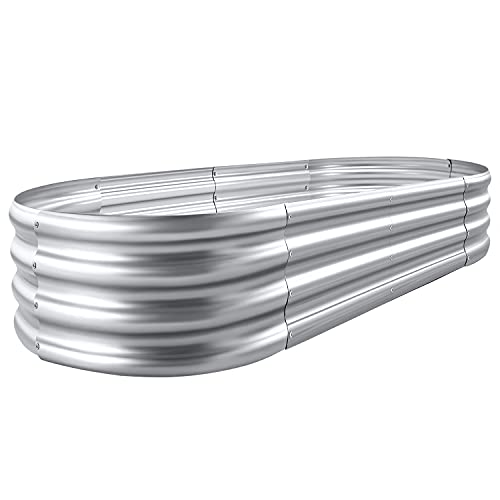
Raised Planter Garden: The Complete Design, Build & Grow Guide
Everything you need to plan a productive raised planter garden — from choosing the right materials and dimensions to soil blends, drainage, and season-by-season planting strategies.
Start With the Buying FactorsWhy a raised planter garden? A raised planter garden gives you control over soil quality, drainage, and ergonomics that ground-level beds simply cannot match. Whether you are working with compact patio space or a full backyard, this guide walks you through the decisions that matter most — so you can invest confidently in a setup that produces for years.
What Exactly Is a Raised Planter Garden?
A raised planter garden is a contained growing bed built above ground level, typically framed with wood, metal, composite, or masonry, and filled with a designed soil mix. Unlike a simple pot or container, a raised planter garden is large enough to support a community of plants — vegetables, herbs, flowers, or small shrubs — with shared soil volume, drainage, and irrigation. The distinction matters because raised beds behave differently from both in-ground plots and individual containers: they warm earlier in spring, drain faster in heavy rain, and allow you to customize soil depth per crop.
Homeowners often arrive at this topic after exploring broader garden structures such as raised garden beds, or after realizing that a patio-first layout needs vertical and contained growing space. If your goal is ornamental rather than edible, you may also cross-shop outdoor planters — but for volume growing, a raised planter garden is the more efficient format.
Why Raised Planter Gardens Outperform Ground Beds
The case for raised beds rests on four practical advantages. First, soil control: you specify the blend, pH, and texture rather than inheriting whatever is in your yard. Second, drainage: excess water exits through the base or side weep points, reducing root rot risk in clay-heavy or poorly graded sites. Third, ergonomics: beds raised to 18–30 inches reduce bending and kneeling, which matters for older gardeners or anyone with back concerns. Fourth, season extension: the soil mass warms faster in spring and can be covered with hoops or frost fabric, effectively adding weeks to your growing window.
Raised beds also solve a specific problem many patio owners face: poor native soil under decks, pavers, or compacted construction fill. Instead of amending a difficult substrate, you build upward and start clean. That same logic makes raised planter gardens a natural companion to porch and patio layouts, where beds can define edges without disturbing hardscape.
Key Buying & Design Factors Before You Commit
1. Material: The Long-Term Variable
Material choice drives lifespan, maintenance rhythm, and appearance. The main categories are untreated or naturally rot-resistant wood (cedar, larch, cypress), pressure-treated lumber, composite boards, powder-coated metal, and masonry. Each sits in a different tier of durability and upkeep.
Standard Pine & Fir
Accessible starting point for a first raised planter garden. Expect a shorter service life and plan for replacement or reinforcement within a few seasons unless lined and sealed.
Pressure-Treated Lumber
Solid choice for the tier: rot resistance is built in, and modern treatments are safe for food gardens when properly cured. A reliable workhorse for most backyard builds.
Cedar, Larch & Composite
Naturally rot-resistant wood or composite boards offer longer service life, better dimensional stability, and a cleaner finished look with less annual sealing.
Powder-Coated Metal & Masonry
Flagship-tier builds: powder-coated steel or aluminum panels and stone or block walls deliver decades of structure, sharp aesthetics, and minimal upkeep.
If durability and finish are priorities, the same powder-coating logic used in powder-coated outdoor furniture applies to metal planter frames — a cured coating resists chipping, fading, and corrosion far better than paint. For wood builds, study pressure-treated wood considerations before committing, and review wood sealants to extend service life.
2. Size and Depth: Match the Crop, Not the Trend
Depth is the most commonly underestimated specification. Leafy greens and herbs grow well in 8–12 inches of soil; tomatoes, peppers, and root crops need 12–18 inches; deeper-rooted perennials and small shrubs prefer 18–24 inches or more. Width matters for reach: keep beds to 3–4 feet across so you can access the center from either side without stepping into the soil. Length is flexible and should follow your available footprint.
Height above grade is a separate decision from soil depth. A bed raised 18–30 inches total (frame plus soil) delivers the ergonomic benefit most gardeners are after. Knee-height beds are the sweet spot for patios, while waist-height beds suit accessibility needs.
3. Drainage and Base Preparation
Every raised planter garden needs a defined drainage path. Options include an open bottom over gravel or landscape fabric, drilled weep holes in a solid base, or a slatted floor with a water-permeable liner. Avoid sealing the bottom completely — trapped water is the leading cause of waterlogged soil and root disease. On patios and decks, use a protective mat or feet to prevent staining and allow airflow beneath the frame.
4. Soil Mix and Volume Planning
Raised beds are typically filled with a blend of topsoil, compost, and a lightening agent such as coarse sand, perlite, or pine bark fines. A common starting ratio is roughly 60% topsoil, 30% compost, and 10% aeration material, adjusted for your crop and climate. Calculate volume before you build: length × width × soil depth. Ordering in bulk is far more efficient than bagged soil for beds larger than a few square feet, and planning the blend in advance prevents the classic mid-build scramble.
5. Placement, Sun, and Irrigation
Most vegetables want six or more hours of direct sun. Site the bed accordingly, then plan water access — drip lines and soaker hoses are dramatically easier to route before the bed is filled. If your raised planter garden sits near a water feature such as garden ponds, keep a clear maintenance margin and consider runoff direction. Rain capture from rain barrels or rain chains can supplement irrigation efficiently.
Material Comparison at a Glance
| Material | Tier | Best For | Maintenance Rhythm |
|---|---|---|---|
| Standard pine / fir | Entry-level | First beds, trial layouts | Annual inspection; seal or line |
| Pressure-treated lumber | Mid-range | Food gardens, general use | Seasonal check; occasional re-seal |
| Cedar / larch | Premium | Long-life natural look | Light annual care |
| Composite boards | Premium | Low-upkeep modern finish | Wipe-down; no sealing |
| Powder-coated metal | Luxury | Architectural, compact patios | Rinse; touch-up rare |
| Masonry / block | Luxury | Permanent structures | Minimal; inspect mortar |
How to Build a Raised Planter Garden: Step by Step
- Mark the footprint. Use stakes and string to confirm size, reach, and sun exposure before cutting anything.
- Level the ground. A level base prevents frame twisting and uneven water distribution.
- Prepare drainage. Lay landscape fabric over gravel, or drill weep holes in a solid base, then add a permeable liner.
- Assemble the frame. Reinforce corners with internal bracing; taller beds need mid-span supports to resist soil pressure.
- Add a protective liner. Food-safe liner protects wood from constant moisture without blocking drainage.
- Fill with your soil blend. Fill in stages and water lightly to settle; avoid over-compacting.
- Install irrigation. Run drip lines or soaker hoses before mulching.
- Mulch and plant. A 2–3 inch mulch layer conserves moisture and suppresses weeds.
If your site includes slopes or stairs, plan access before construction — a full wheelbarrow of soil is heavy, and a bed that is hard to reach becomes a bed that is neglected.
Layout Ideas for Patio-Adjacent Raised Planter Gardens
The most successful patio gardens treat the bed as part of the outdoor living composition rather than an afterthought. Consider these approaches:
- Edge definer: a long, narrow bed along a patio boundary, planted with herbs and compact vegetables, doubles as a visual divider.
- Corner anchor: an L-shaped bed in a patio corner frames seating areas and adds greenery without consuming floor space.
- Vertical layering: pair low beds with trellises for climbing beans or cucumbers; the vertical plane adds privacy and yield.
- Kitchen-adjacent zone: a bed placed near the door for cut-and-come-again greens and herbs streamlines daily harvests.
For small-space patios, the space-planning principles in small patio layouts translate directly: define zones, keep circulation clear, and use height to add function without adding footprint.
Soil, Watering, and Seasonal Care
Raised beds dry faster than ground beds, so consistent irrigation is essential. Drip lines on a timer remove guesswork. Top up compost each season — typically 1–2 inches per year — to replace organic matter consumed by crops. Rotate plant families annually to interrupt pest and disease cycles, and refresh mulch after each major harvest. In winter, cover bare soil with mulch or a cover crop to prevent erosion and nutrient leaching.
For broader maintenance workflows, the techniques in weatherproofing guides and garden care resources apply to planter frames and soil health alike.
Common Raised Planter Garden Mistakes to Avoid
- Too wide to reach: beds wider than four feet force stepping into soil, compacting it and damaging roots.
- Insufficient depth: shallow beds limit crop choice and dry out rapidly.
- Sealed bottoms: blocked drainage causes waterlogged soil and root rot.
- Untreated native soil left in place: if the bed sits on compacted ground, break the surface to improve drainage.
- No irrigation plan: hand-watering large beds is unreliable in hot weather.
- Skipping reinforcement: tall beds need bracing; soil pressure is substantial.
Frequently Asked Questions
How deep should a raised planter garden be?
For leafy greens and herbs, 8–12 inches of soil is sufficient. Fruiting vegetables such as tomatoes and peppers perform best at 12–18 inches. Deep-rooted crops and small shrubs benefit from 18–24 inches or more.
Should I line the bottom of a raised planter garden?
Use a permeable, food-safe liner to protect the frame from constant moisture while allowing drainage. Avoid plastic sheeting that traps water — it defeats the purpose of the raised structure.
Is pressure-treated wood safe for growing vegetables?
Modern pressure-treated lumber is widely regarded as safe for food gardens when properly cured and lined. If you prefer to avoid treated wood entirely, cedar, composite, or powder-coated metal are proven alternatives.
How often should I replace the soil?
Rather than full replacement, top up with compost annually and refresh the top few inches when structure degrades. Full replacement is rarely necessary unless disease or contamination is present.
Can a raised planter garden sit on a patio or deck?
Yes, provided you protect the surface with feet or a mat, confirm structural load capacity, and ensure drainage water is directed away from the deck or patio surface.
Quick Buying Checklist
- Confirm material tier that matches your desired service life and upkeep rhythm
- Verify soil depth against the crops you intend to grow
- Check drainage design: open base, weep holes, or slatted floor
- Measure reach width (maximum four feet across)
- Plan irrigation access before filling the bed
- Calculate soil volume and choose a blend appropriate for your climate
- Confirm reinforcement for beds taller than 18 inches
Ready to Choose Your Raised Planter Garden?
Use the recommended products below to compare materials, sizes, and features side by side. Every option is filtered for outdoor durability and long-term performance.
Explore Raised Planter Options