
Garden Care: Your Complete Guide to a Thriving Outdoor Space
Master lawn maintenance, pest control, soil health, watering schedules, and seasonal pruning. Everything you need to keep your garden healthy and beautiful year-round.
Explore Garden Care TopicsWhy Garden Care Matters: A well-maintained garden is more than just curb appeal — it protects your outdoor furniture investment, reduces pest problems, and creates a healthier environment for your family. Whether you're caring for a small balcony planter or a full backyard landscape, the right maintenance routine makes all the difference between a garden that thrives and one that struggles. This guide breaks down the essential garden care practices so you can build a sustainable routine with confidence.
Essential Garden Care Topics
Lawn Maintenance
Mowing height, fertilizing schedules, aeration, and overseeding techniques to keep your lawn thick and resilient through every season.
Essential TierPest & Disease Control
Identify common garden pests, apply organic controls, and build preventive routines that protect plants without harsh chemicals.
Essential TierSoil Health & Fertilizing
Understand soil pH, improve texture with organic matter, and choose the right fertilizer for flowers, vegetables, and shrubs.
Mid-TierWatering & Irrigation
Deep-watering strategies, drip irrigation setups, and moisture monitoring to conserve water while keeping plants hydrated.
Essential TierPruning & Trimming
Proper pruning cuts, timing by plant type, and tool maintenance to encourage healthy growth and better blooms.
Mid-TierSeasonal Garden Care
Spring prep, summer watering, fall cleanup, and winter protection checklists to keep your garden in top shape all year.
High-End TierLawn Care Fundamentals: Building a Healthy Foundation
Your lawn is the largest living surface in most outdoor spaces, and it responds directly to how you manage mowing, watering, and feeding. A consistent routine — rather than occasional intense effort — is what produces a dense, weed-resistant turf. Start by identifying your grass type, since cool-season grasses like fescue and bluegrass follow a different calendar than warm-season varieties such as Bermuda and zoysia.
Mowing Height and Frequency
The single most common lawn mistake is cutting too short. Removing more than one-third of the blade height at once stresses the grass and invites weeds. For most cool-season lawns, a mowing height between 2.5 and 3.5 inches works well; warm-season grasses generally prefer 1.5 to 2.5 inches. Keep mower blades sharp — dull blades tear rather than cut, leaving ragged tips that brown and invite disease. During peak growing season, mow weekly; slow down in dry or dormant periods.
Watering Strategy
Deep, infrequent watering encourages roots to grow downward. Aim for roughly one inch of water per week, delivered in one or two sessions rather than daily light sprinkling. Early morning is the ideal window because it reduces evaporation and lets foliage dry before evening, which helps prevent fungal issues. If you use an irrigation system, check coverage with a simple can test to avoid dry spots and runoff.
Feeding and Aeration
Fertilizer timing depends on grass type and climate. Cool-season lawns benefit most from feeding in early fall and late spring; warm-season grasses respond to late spring and summer applications. Core aeration once a year — typically in early fall for cool-season lawns — relieves compaction and improves water and nutrient penetration. Overseeding right after aeration is an efficient way to thicken thin patches.
- Entry-level routine: Weekly mowing at the correct height, one deep watering per week, and a single fall feeding.
- Mid-range routine: Adds annual core aeration, spring overseeding, and a second feeding timed to your grass type.
- High-end tier routine: Includes soil testing, targeted micronutrient adjustments, and a professional-grade irrigation schedule with seasonal audits.
Pest and Disease Management: Protect Without Overreacting
Not every insect in your garden is a problem — many are pollinators or predators that keep harmful species in check. The goal of good garden care is prevention first: healthy soil, proper spacing for airflow, and consistent watering reduce the conditions that invite disease. When intervention is needed, start with the least disruptive option and escalate only if the problem persists.
Common Garden Pests
Aphids cluster on new growth and can be knocked back with a strong water spray or insecticidal soap. Slugs and snails thrive in damp mulch and can be managed with barriers, evening hand-picking, or iron-phosphate baits that are safer around pets. Caterpillars and beetles are best handled through row covers and crop rotation rather than broad-spectrum sprays that harm beneficial insects.
Preventing Fungal Disease
Powdery mildew, black spot, and root rot all share a common trigger: prolonged leaf wetness and poor airflow. Water at the base of plants rather than overhead, space plantings according to their mature size, and remove infected leaves promptly. Mulch helps by preventing soil splash onto lower foliage. If disease appears, prune affected areas and apply a targeted fungicide labeled for that specific issue rather than a general-purpose product.
Building a Prevention Routine
- Inspect plants weekly, especially the undersides of leaves where pests hide.
- Keep a garden journal noting pest appearances by date and plant type.
- Encourage beneficial insects by planting diverse flowering species nearby.
- Clean pruners and shears between plants to avoid spreading pathogens.
Soil Health and Fertilizing: Feed the Soil, Not Just the Plant
Healthy soil is alive with microbes, fungi, and earthworms that break down organic matter and make nutrients available to roots. Before adding any fertilizer, test your soil — a basic pH and nutrient test reveals whether you're dealing with acidic clay, sandy loam, or something in between. Most garden plants prefer a pH between 6.0 and 7.0, though acid-loving plants like azaleas and blueberries need lower values.
Improving Soil Texture
Compost is the most versatile soil amendment available. Working two to three inches of finished compost into the top layer improves drainage in clay soils and water retention in sandy soils simultaneously. For heavy clay, avoid tilling when wet — this creates hard clods that persist for seasons. Instead, apply compost as a top dressing and let earthworms incorporate it gradually.
Choosing the Right Fertilizer
Balanced granular fertilizers support general growth, but flowering and fruiting plants often benefit from higher phosphorus and potassium ratios. Slow-release formulas reduce the risk of burning roots and require fewer applications. Organic options like fish emulsion and kelp meal feed soil life as well as plants, making them a solid choice for long-term garden health. Always water after applying granular fertilizer to activate it and prevent runoff.
| Tier | Best For | Typical Approach |
|---|---|---|
| Entry-Level | New gardeners, small beds | Compost top dressing plus one balanced slow-release feeding per season |
| Mid-Range | Mixed borders, vegetable beds | Soil test every two years, compost incorporation, targeted organic fertilizers |
| High-End Tier | Specialty plantings, large landscapes | Annual soil testing, custom amendment blends, cover cropping between seasons |
Watering and Irrigation: Efficient Hydration for Every Plant Type
Watering is where many gardens succeed or fail. Overwatering is as damaging as drought — soggy soil suffocates roots and invites rot. The right approach depends on plant type, soil drainage, and climate. Containers dry out faster than beds; sandy soil drains quickly while clay holds moisture. Observing your garden after rain or irrigation tells you more than any fixed schedule.
Signs of Under- and Overwatering
Wilting during midday heat can be normal transpiration, but plants that stay wilted into evening need water. Yellowing lower leaves and soggy soil point to overwatering. Crisp, brown leaf edges often indicate inconsistent moisture. A simple moisture meter takes the guesswork out of container and bed watering, especially during shoulder seasons when temperatures fluctuate.
Irrigation Options by Tier
- Starter tier: Hand watering with a wand attachment and a rain gauge to track weekly totals.
- Balanced tier: Soaker hoses or drip lines on a timer, zoned by plant water needs.
- Top-tier: Smart controllers that adjust based on local weather data, plus rain sensors and zone audits.
Regardless of system, water early in the day and aim at the root zone. Mulching two to three inches around plants reduces evaporation and moderates soil temperature — one of the highest-return garden care habits you can adopt.
Pruning and Seasonal Care: Timing Is Everything
Pruning improves plant structure, increases airflow, and encourages better blooming — but doing it at the wrong time can remove next season's flower buds. The general rule: spring-flowering shrubs bloom on old wood and should be pruned right after flowering; summer-flowering shrubs bloom on new wood and are best pruned in late winter or early spring. Evergreens are typically shaped in late spring after new growth hardens.
Making Proper Cuts
Use bypass pruners for living stems and anvil pruners for dead wood. Make cuts just above a bud or branch junction at a slight angle so water runs off. Remove no more than one-third of a shrub's growth in a single session. Sterilize tools with rubbing alcohol between plants, especially when disease is suspected.
Seasonal Garden Care Checklist
- Spring: Clean beds, refresh mulch, prune winter damage, divide perennials, start feeding.
- Summer: Monitor watering, deadhead flowers, watch for pests, mulch to retain moisture.
- Fall: Remove spent annuals, plant spring bulbs, aerate and overseed lawns, cut back perennials selectively.
- Winter: Protect tender plants, prune dormant trees, plan next season's layout, maintain tools.
If your garden borders a patio or deck, seasonal care also protects your outdoor furniture from debris and moisture buildup — a clean garden edge reduces staining and pest pressure near seating areas.
Ready to Elevate Your Outdoor Space?
Great garden care pairs perfectly with well-chosen outdoor furniture. Explore our patio guides to complete your backyard oasis.
Explore Outdoor Care GuidesFrequently Asked Questions About Garden Care
How often should I water my garden?
Most established garden beds need about one inch of water per week, delivered deeply once or twice rather than daily. Containers may need watering every one to two days in hot weather. Always check soil moisture a few inches down before watering — if it's still damp, wait.
When is the best time to fertilize plants?
For most perennials and shrubs, fertilize in early spring as new growth begins. Annuals benefit from a slow-release feeding at planting plus mid-season liquid feeding. Avoid fertilizing late in the season, as it encourages tender growth that winter cold can damage.
How do I control pests without harsh chemicals?
Start with cultural controls: healthy soil, proper spacing, and consistent watering. Use physical barriers like row covers, hand-remove visible pests, and apply insecticidal soap or neem oil for soft-bodied insects. Encourage beneficial predators by planting diverse flowers nearby.
What is the right way to prune shrubs?
Prune just above a bud or branch junction at a slight angle, removing no more than one-third of growth at a time. Time pruning to your shrub's bloom cycle: prune spring bloomers right after flowering, and summer bloomers in late winter. Sterilize tools between cuts when disease is present.
How can I improve poor soil?
Start with a soil test to understand pH and nutrient levels. Add two to three inches of compost as a top dressing or incorporate it into new beds. Avoid working clay soil when wet, and consider cover crops between seasons to build organic matter and structure over time.
Recommended Garden Care Products
⚠️ AFFILIATE DISCLOSURE: This website contains affiliate links. As an Amazon Associate, we earn from qualifying purchases. If you make a purchase through these links, we may receive a small commission at no additional cost to you. Read our full affiliate policy.

Heavy Duty Gardening Tools - Gardening Gifts for Women, Men, Mom, Dad - Durable, Ergonomic Garden Tools Set (Green)
Check price on Amazon
Grenebo Heavy Duty Gardening Tools with Handbag, Gardening Gifts for Women | Rust-Resistant Steel Garden Tool Sets for Women, Men, Durable, Ergonomic Wooden Handle, Idea for Planting Work
Check price on Amazon
Pruning Shears, 4 Pack Garden Shears with Gardening gloves, Clippers Handheld, Stainless Steel Garden Snips, Lengnoyp Pruners for Gardening
Check price on Amazon
SONKIR Soil pH Meter, MS02 3-in-1 Soil Moisture/Light/pH Tester Gardening Tool Kits for Plant Care, Great for Garden, Lawn, Farm, Indoor & Outdoor Use (Green)
Check price on Amazon
2-Pack Stainless Steel Gardening Scissors, Pruning Shears and Clippers for Gardening
Check price on Amazon
Garden Safe Insecticidal Soap Insect Killer Spray, 32 Oz | For Organic Gardening, Ready-To-Use Spray Controls Aphids, Mealybugs, Mites & Other Listed Insects, Use Indoors & Outdoors
Check price on Amazon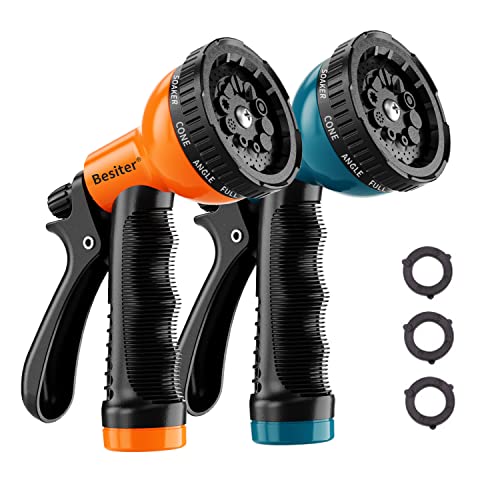
Besiter Garden Hose Nozzle Sprayer: 2 Pack 10 Watering Patterns Spray Nozzles Heavy Duty Hose Head Hose Attachment
Check price on Amazon
HNXTYAOB Repotting Mat for Indoor Plant Transplanting and Mess Control 27"x 27" Thickened Waterproof Potting Tray Foldable Succulent Potting Mat Portable Gardening Mat Garden Gifts for Women & Men
Check price on AmazonDisclaimer
The information provided on PatioFocus is for educational and informational purposes only. We are not professional landscapers or contractors, and our content should not replace professional advice. Always consult with a qualified expert regarding structural, safety, or weather-related concerns. Some content may use AI assistance. Always check product warranties and safety standards before purchasing. If you do not agree, please do not use this website. Read the full disclaimer.