Indoor Chaise Lounge with Adjustable Back: The Complete Buying Guide
Everything you need to know before choosing a reclining indoor chaise — mechanism types, frame materials, upholstery options, room sizing, and real-world comfort factors.
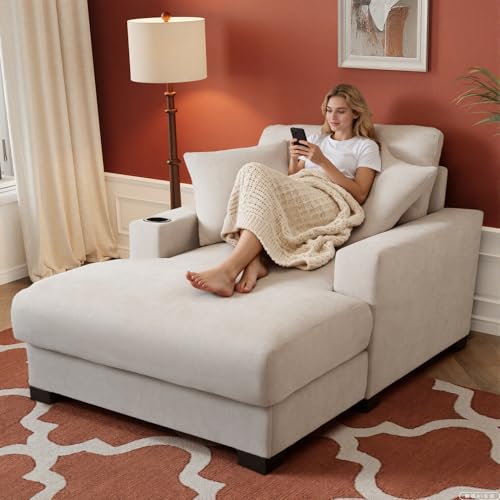
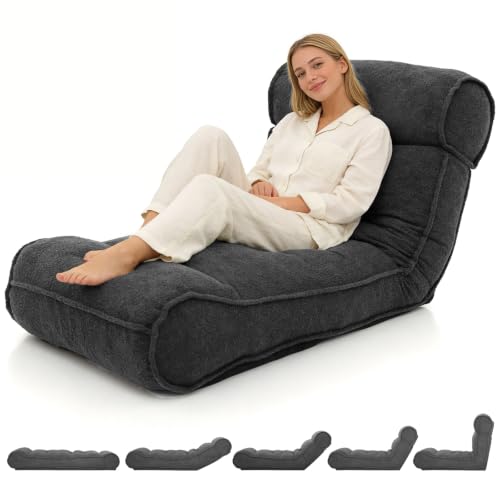
An indoor chaise lounge with adjustable back is one of the most versatile pieces of furniture you can add to a home. Unlike a fixed-back settee, it lets you shift between upright reading posture and a near-flat recline in seconds. That flexibility makes it equally useful as a bedroom reading chair, a sunroom daybed, or a statement piece in a living room corner. This guide walks you through the decisions that actually matter — mechanism quality, frame construction, upholstery durability, and room fit — so you can choose with confidence rather than guesswork.
What Makes an Indoor Chaise Lounge Different from Outdoor Models
Indoor chaise lounges are built around comfort and interior aesthetics. They typically use upholstered cushions, hardwood or engineered wood frames, and fabrics that feel soft to the touch. Outdoor versions, by contrast, prioritize weather resistance with powder-coated metal, resin wicker, and quick-dry foam. If you are still comparing categories, our guide to chaise lounge chairs for outdoor use explains where the two diverge in construction and care. The key takeaway: indoor models should not be placed on uncovered patios, and outdoor models rarely deliver the plush seating feel most people want indoors.
Adjustable Back Mechanisms: The Most Important Decision
The adjustable back is the defining feature of this furniture category, and the mechanism quality separates a chair that lasts a decade from one that loosens within a season. There are three main systems to understand.
1. Manual Notch-and-Pin Recline
The backrest locks into a series of preset angles using a pin, ratchet, or notched hinge. This is the most common system in entry-level and mid-range indoor chaise lounges. It is simple, repairable, and rarely fails outright. The trade-off is that you cannot fine-tune the angle — you get four to six fixed positions. Look for reinforced steel hinges rather than thin stamped metal, and confirm the pin engages firmly with no wobble when you lean back.
2. Lever or Paddle Release Recline
A lever under the seat or a paddle on the side releases the back so it glides smoothly through its range before locking. This is the mid-tier and high-end tier standard for indoor chaise lounges. It offers near-infinite positioning, which matters if multiple people share the chair. Test the release action in person if possible — a good lever moves with light pressure and re-engages with a clear, solid click.
3. Gas-Lift or Piston Assist
Found on premium and luxury tier models, a gas piston cushions the recline motion and holds the back at any angle without a locking step. These feel the most refined and are easiest for people with limited grip strength. The trade-off is long-term serviceability: pistons can lose pressure over many years, so buy from brands with documented replacement-part support.
Buying tip: Whatever mechanism you choose, check the maximum recline angle. A true lounge position sits between 150 and 170 degrees from vertical. Models that stop at 140 degrees are comfortable for reading but will not support proper lying-down relaxation.
Frame Materials and What They Mean for Longevity
The frame determines how the chair feels years from now. Here is how the common options compare.
| Frame Material | Best For | Durability Notes |
|---|---|---|
| Solid hardwood (oak, beech, ash) | Heavy daily use, long-term investment | Resists joint loosening; can be refinished; heaviest option |
| Engineered wood with hardwood veneer | Balanced tier buyers wanting a classic look | Good rigidity; keep away from moisture and direct heat |
| Powder-coated steel or aluminum | Modern and minimalist interiors | Rust-proof finish when coated properly; lighter to reposition |
| Rattan or woven wicker over metal | Coastal, bohemian, and sunroom settings | Comfortable flex; check weave tightness at stress points |
For a deeper look at woven constructions, our overview of high-quality wicker furniture construction covers how to spot a tightly woven, well-supported frame. The same inspection principles apply to indoor rattan chaise lounges.
Upholstery Choices: Comfort Meets Practicality
The fabric or leather you choose affects both the feel and the maintenance routine.
- Performance fabric (polyester blends, acrylic): The most practical choice for households with pets or children. Stain-resistant and easy to spot-clean. Well-specified for the category.
- Velvet and chenille: Luxurious hand-feel and rich color depth. Best in low-traffic rooms; requires regular brushing and professional cleaning.
- Leather and faux leather: Wipes clean easily and ages gracefully. Genuine leather is a long-term investment; bonded leather tends to peel over time, so inspect the label carefully.
- Linen and cotton blends: Breathable and relaxed in appearance. Less resistant to spills, so consider a removable, washable cover.
If you plan to reposition the chaise often or use it near windows, look for fade-resistant treatments. Our notes on waterproof and protective materials explain which finishes resist UV and moisture — useful even for indoor pieces placed in bright sunrooms.
How to Size an Indoor Chaise Lounge for Your Room
Chaise lounges are long by nature, so measure before you commit. A typical indoor adjustable-back chaise runs 60 to 70 inches in length and 26 to 32 inches in width. Allow at least 12 to 18 inches of clearance behind the backrest for the recline arc, and leave walking space on the open side. In bedrooms, place the chaise at the foot of the bed only if you still have a clear path to the closet. In living rooms, an angled corner placement usually works better than pushing it flat against a wall, because it invites conversation and leaves room for the back to tilt.
Comfort Details That Reviews Often Miss
Two chairs can look identical online and feel completely different in use. Pay attention to these specifics:
- Seat cushion density: High-resilience foam (often rated 2.0 lb/ft³ or above) holds its shape far longer than low-density filling. Ask whether the cushion has a removable, zippered cover.
- Lumbar support: A slightly curved backrest with a built-in lumbar bump prevents the "hammock effect" that flattens the lower back on long reclines.
- Armrest height: Arms should sit at a height that lets your shoulders relax when reading. Very low arms feel modern but offer less support.
- Leg style and floor protection: Splayed wooden legs distribute weight well; add felt pads to protect hardwood floors.
For a broader look at seating comfort across categories, our guide to the most comfortable chaise lounge designs breaks down cushion construction and body-support geometry in more detail.
Matching an Adjustable Chaise to Your Interior Style
Because this piece is large, it reads as a design anchor. A few style directions work especially well:
- Mid-century modern: Tapered wooden legs, tight upholstery, and a single button-tuft detail. Pairs well with walnut side tables.
- Traditional and transitional: Rolled arms, skirted base, and nailhead trim. Choose neutral performance fabric for longevity.
- Coastal and sunroom: Light rattan frames with white or sand cushions. Our guide to sunroom furniture layouts covers how to arrange a chaise alongside plants and side tables.
- Minimalist: A low-profile metal frame with a single upholstered panel. Keep the surrounding room uncluttered so the recline mechanism stays the visual focus.
Care and Maintenance for Long-Term Use
An adjustable chaise has one moving part that needs attention: the recline mechanism. Vacuum upholstery weekly with a brush attachment, rotate and flip removable cushions monthly to even out compression, and check hinge bolts every few months — they can loosen with daily use. Lubricate metal hinges with a dry silicone spray rather than oil, which attracts dust. For fabric covers, follow the care label; most performance fabrics tolerate cold-water spot cleaning with a mild detergent. Leather benefits from a conditioner applied twice a year. Kept up, a well-built indoor chaise lounge with an adjustable back can serve comfortably for well over a decade.
Frequently Asked Questions
What is an indoor chaise lounge with adjustable back?
It is a long reclining chair designed for interior spaces with a backrest that tilts through multiple positions, from upright seating to nearly flat. The adjustable back is what separates it from a fixed settee or daybed.
Where can I place an indoor chaise lounge?
Living rooms, bedrooms, reading nooks, sunrooms, and home offices all work well. Plan for roughly 60 to 70 inches of length and 12 to 18 inches of clearance behind the backrest so the recline arc is unobstructed.
Which material is best for an indoor adjustable chaise lounge?
Upholstered models with solid hardwood frames offer the best balance of comfort and durability. Performance fabrics are easiest to maintain, leather wipes clean, and velvet adds a luxury feel but needs gentler care.
How many recline positions should I look for?
Four to six preset positions are adequate for most people, but a lever or piston mechanism that allows continuous adjustment is more comfortable when the chair is shared among family members of different heights.
Ready to Choose Your Chaise?
Compare top-rated indoor chaise lounges with adjustable backs, review feature details, and check availability from trusted retailers.
Explore Options