Metal Bistro Table: The Complete Guide to Choosing the Perfect Small Outdoor Table
Everything you need to know about materials, sizes, durability, and design — so you can pick a metal bistro table that fits your space, your lifestyle, and your long-term needs.
Why a metal bistro table? A metal bistro table is one of the most versatile pieces of outdoor furniture you can own. It fits balconies, small patios, café corners, and breakfast nooks — and it delivers a timeless European charm that works across design styles. But not all metal bistro tables are built the same. This guide breaks down the materials, construction details, and practical considerations so you can make a confident, informed decision.
What Exactly Is a Metal Bistro Table?
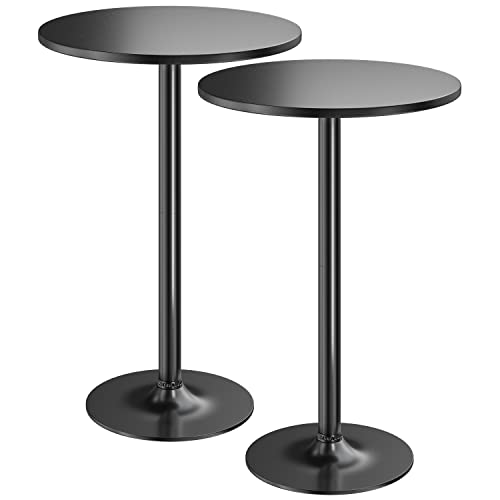
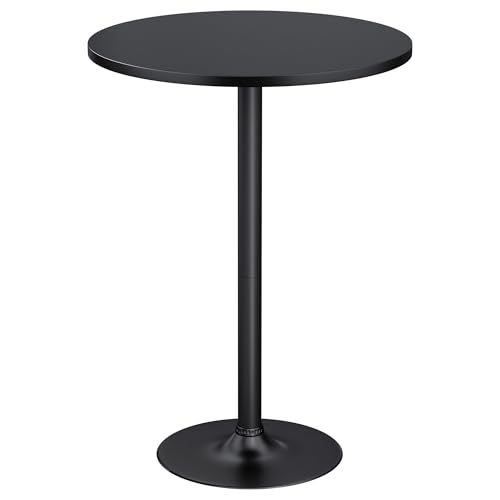
A metal bistro table is a compact outdoor table — typically round or square — designed for two to four people. The term "bistro" originates from French café culture, where small tables were placed outside for quick meals and coffee. Today, the metal bistro table has evolved into a staple of residential outdoor living, valued for its space efficiency and durable construction.
Unlike larger dining sets, a metal bistro table is intentionally scaled down. Common diameters range from roughly 24 to 32 inches for round models, while square versions usually measure 24 to 30 inches per side. This makes them ideal for tight spaces where a full dining table would overwhelm the area. If you are working with a compact balcony or a modest patio, a bistro table often pairs naturally with a conversation set for small spaces or serves as a standalone dining solution.
The "metal" component is equally important. Metal frames — whether steel, aluminum, or wrought iron — offer structural rigidity that wood or resin cannot always match in a slim profile. This is why metal bistro tables are favored in commercial café settings and residential balconies alike: they combine strength with a footprint small enough to fit almost anywhere.
Metal Materials Compared: Steel, Aluminum, Wrought Iron & More
The material of your metal bistro table determines its weight, weather resistance, maintenance needs, and overall lifespan. Here is a practical breakdown of the most common options.
| Material | Market Tier | Best For | Key Characteristics |
|---|---|---|---|
| Powder-Coated Steel | Entry-Level | Balconies, covered patios, casual use | Solid build, needs rust protection in wet climates, heavier than aluminum |
| Aluminum | Mid-Range | Coastal areas, frequent rearranging, humid climates | Lightweight, naturally rust-resistant, may need weighted base in windy spots |
| Wrought Iron | Premium | Traditional patios, permanent placements, classic décor | Heavy-duty, ornate detailing, requires periodic refinishing to prevent rust |
| Cast Aluminum | Premium | Style-focused spaces, detailed designs, rust-prone environments | Intricate casting possible, rust-proof finish, solid and stable |
| Stainless Steel | Luxury | Modern designs, high-humidity or coastal settings, commercial-grade use | Excellent corrosion resistance, sleek look, heavier investment tier |
When comparing these materials, think about where the table will live. A covered porch protects a powder-coated steel table well for years. An open balcony exposed to salt air or heavy rain favors aluminum or stainless steel. For a classic garden look with ornate details, wrought iron delivers unmatched character — as long as you are prepared for occasional touch-ups. If you want a similar aesthetic in a lighter form, metal chairs with cushions often pair well with wrought-iron and cast-aluminum bistro tables.
Construction Details That Matter
Beyond the base material, several construction factors separate a durable metal bistro table from one that will wobble or corrode within a season or two. Pay attention to these details when comparing options.
Frame Thickness & Gauge
Thicker tubing and lower-gauge steel indicate a more robust frame. A flimsy frame is the most common cause of wobble in bistro tables.
Tabletop Style
Solid metal tops, slatted designs, mesh, and glass inserts each have trade-offs. Slatted tops drain rain; solid tops are easier to wipe clean.
Base Design
Cross-brace bases, pedestal bases, and four-leg designs distribute weight differently. A wider base improves stability on uneven surfaces.
Finish & Coating
Powder coating, e-coating, and galvanization each offer different levels of rust protection. Look for double-coated or rust-proof finishes.
Adjustable Feet
Leveling glides or adjustable feet compensate for uneven patio surfaces — a small detail that makes a big difference in stability.
Weight & Portability
Lighter tables are easier to move but may need a heavier base. Heavier tables stay put in wind but are harder to rearrange.
Sizes and Shapes: Finding the Right Fit
Metal bistro tables come in several shapes, each suited to different spaces and seating arrangements. Round tables promote conversation and work well in corners. Square tables maximize usable surface area in compact footprints. Rectangular models are less common but useful for narrow balconies where a slim profile is essential.
When sizing, consider both the table dimensions and the clearance around it. A general rule is to allow roughly 24 to 30 inches of space per person. For a two-person bistro setup, a round table around 24 to 28 inches in diameter is usually sufficient. For four people, look toward the larger end of the bistro range — or consider a bar-height bistro set with swivel chairs if you prefer elevated seating.
Height is another critical factor. Standard bistro tables are typically 28 to 30 inches high, matching standard dining chairs. Bar-height bistro tables sit around 40 to 42 inches and pair with bar stools. Counter-height models fall in between. Make sure your chosen chairs — or an existing set — match the table height for comfortable dining.
Pros and Cons of Metal Bistro Tables
Advantages
- Compact footprint fits balconies and small patios
- Durable construction handles outdoor exposure well
- Wide range of styles, from industrial to ornate
- Easy to clean with simple soap and water
- Lightweight aluminum options are easy to move
- Pairs naturally with a variety of chair styles
- Weather-resistant finishes extend lifespan
Considerations
- Steel and iron can rust if finish is compromised
- Metal surfaces can get hot in direct sun
- Some designs may feel cold in cooler weather
- Lightweight models can tip in strong wind
- Ornate designs may require detailed cleaning
- Limited surface area for large meals
Most of these considerations are manageable with thoughtful selection. Choosing an aluminum or stainless-steel model addresses rust concerns. A lighter color or a shade umbrella mitigates heat absorption. Weighted bases or sand-filled feet improve wind stability. For more permanent setups, you might also explore a indoor bistro set as a complement for covered sunrooms or enclosed porches.
Style Guide: Matching a Metal Bistro Table to Your Space
A metal bistro table can anchor a range of design aesthetics. Here is how to match one to your existing décor.
Industrial & Modern
Sleek aluminum or stainless-steel bistro tables with clean lines suit modern and industrial spaces. Pair with minimalist metal chairs or modern outdoor chairs for a cohesive look. Matte black, gunmetal, and brushed silver finishes work especially well here.
Classic & French Café
Wrought-iron bistro tables with ornate scrollwork and curved legs evoke the classic Parisian café feel. These pair beautifully with metal dining chairs in matching finishes. White, forest green, and black are the most traditional color choices.
Coastal & Light
Powder-coated aluminum in white, sand, or soft blue creates a breezy coastal look. Lightweight and rust-resistant, aluminum is a natural fit for beachside or lakeside properties. Pair with cushion-free modern outdoor furniture for a low-maintenance setup.
Rustic & Garden
Cast-aluminum tables with vintage-inspired detailing fit rustic and garden settings. Combined with a garden stool or a simple bench, they create a charming corner for morning coffee. Earthy tones and bronze finishes enhance the natural feel.
Buying Checklist: 7 Steps Before You Decide
Measure Your Space
Confirm the available floor area and allow clearance for chairs and walkways. A table that fits physically may still overwhelm a narrow balcony.
Choose Your Material Based on Climate
Humid or coastal environments favor aluminum or stainless steel. Covered patios can handle powder-coated steel or wrought iron with routine care.
Verify the Finish
Look for rust-proof or weather-resistant coatings. Double-coated powder finishes and e-coating significantly extend the table's service life.
Check Stability Features
Look for adjustable feet, wide base footprints, and sturdy leg joints. A stable table is safer and more enjoyable to use daily.
Match the Height to Your Chairs
Standard dining height, counter height, and bar height are not interchangeable. Confirm the table height matches your seating before ordering.
Consider Storage and Mobility
If you need to move the table frequently, aluminum is easier to handle. If it will stay in one place, a heavier iron table offers rock-solid stability.
Review Assembly and Warranty
Some bistro tables ship fully assembled; others require tools and time. Check the warranty terms — a longer warranty often signals a more confident manufacturer.
Care and Maintenance for Long-Term Performance
A metal bistro table is a long-term investment when cared for properly. Routine maintenance is straightforward, but consistency matters.
Cleaning: Wipe the tabletop weekly with a damp cloth and mild soap. Avoid abrasive cleaners that can scratch the finish. For textured or slatted surfaces, a soft-bristle brush helps dislodge debris from crevices.
Rust prevention: Inspect the finish seasonally. If you notice chips or scratches, touch them up with matching touch-up paint to prevent moisture from reaching the base metal. This is especially important for steel and iron tables.
Seasonal care: During extended off-seasons or harsh winters, store the table indoors or use a fitted cover. If you leave the table outside year-round, elevate it slightly to prevent standing water around the feet. For more detailed maintenance strategies, see our weatherproofing guide.
Cushion care: If you pair your table with cushioned chairs, bring the cushions inside during rain and store them in a dry place. This extends the life of both the cushions and the chair frames.
Frequently Asked Questions About Metal Bistro Tables
Ready to Find Your Perfect Metal Bistro Table?
Browse our curated selection of top-rated metal bistro tables. Compare features, read customer reviews, and choose the one that fits your space and style.
View Recommended Products →