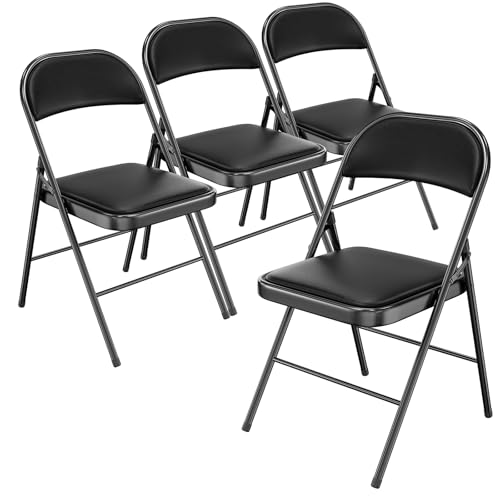
Metal Chairs with Cushions: The Complete Outdoor Buying Guide
Everything you need to know before choosing metal patio chairs with cushions — frame materials, cushion construction, sizing, maintenance, and how to match them to your outdoor space with confidence.
Why Metal Chairs with Cushions Work So Well Outdoors
Metal chairs with cushions combine two strengths that are hard to beat in an outdoor setting: a rigid, long-lasting frame and a soft, comfortable seat surface. The metal frame provides structure, supports a consistent seating posture, and holds up to sun, rain, and repeated use. The cushion layer adds the comfort that bare metal cannot offer, turning a utilitarian chair into a place where guests actually want to linger.
This combination is especially popular for dining areas, bistro corners, and conversation zones. A metal bistro table paired with cushioned metal chairs creates a compact, cohesive set that suits balconies and small patios. For larger gatherings, a set of four metal dining chairs with matching cushions can anchor a full outdoor dining arrangement.
Compared with all-weather wicker or solid wood, metal frames tend to be slimmer and visually lighter, which helps a patio feel less crowded. That makes them a strong option for readers who are also exploring modern outdoor furniture with clean lines. At the same time, the cushion layer softens the look, so metal chairs do not feel cold or industrial.
Quick takeaway: Metal gives you durability and a precise silhouette; cushions give you comfort and color. Together they deliver one of the most versatile seating categories for patios, porches, and decks.
Comparing Metal Frame Materials
The frame is the foundation of any metal chair with cushions. The material determines weight, weather resistance, maintenance needs, and how the chair feels when you move it. Below is a practical comparison of the most common frame types.
| Frame Type | Market Tier | Best For | Key Traits |
|---|---|---|---|
| Powder-coated steel | Entry-level | Everyday patios and rental outdoor spaces | Heavy-duty feel, solid build, requires rust inspection at joints |
| Aluminum | Mid-range | Balconies, decks, and movable seating layouts | Lightweight, naturally rust-resistant, easy to reposition |
| Wrought iron | Premium | Traditional and cottage-style patios | Decorative detailing, substantial weight, long-term investment |
| Cast aluminum | High-end tier | Statement dining sets and covered porches | Intricate patterns, premium materials, refined finish |
| Stainless steel | Luxury | Coastal homes and year-round exposed patios | Rust-proof finish, commercial-grade durability, sleek look |
Powder-Coated Steel
Steel frames are the most common entry-level option. They feel solid and stable, and a well-applied powder coating creates a weather-resistant surface. The main caution is moisture trapped at welds and joints, which can lead to rust over time. Inspect these areas each season and touch up chips promptly.
Aluminum
Aluminum is the practical favorite for most homeowners. It does not rust the way steel does, and it is light enough that one person can rearrange a seating group without strain. A quality aluminum chair with cushions is a balanced-tier choice that works well for decks, balconies, and patios that see frequent furniture movement.
Wrought Iron and Cast Aluminum
These frames carry the decorative appeal that many people associate with classic patio furniture. Wrought iron is heavier and feels substantial; cast aluminum mimics ornate ironwork at a lighter weight. Both sit in the premium to high-end tier and reward careful handling and seasonal care.
Stainless Steel
For coastal environments or patios with no overhead cover, stainless steel is the most resilient choice. It is a luxury-tier investment, but its corrosion resistance and clean appearance make it efficient in the long run for harsh exposures.
Cushion Construction Explained
The cushion is what separates a metal chair you tolerate from one you enjoy. When evaluating cushions, look at three layers: the cover fabric, the fill, and the attachment method.
Cover Fabrics
- Solution-dyed acrylic: The gold standard for outdoor upholstery. Color is locked into the fiber, so it resists fading and holds up to repeated cleaning.
- Polyester blends: Often found at the entry-level. Adequate for covered porches, but more prone to fading under direct sun.
- Olefin: Moisture-resistant and quick-drying, a good fit for humid climates.
Cushion Fill
- High-density foam: The most common fill. It provides firm support and holds its shape well over time.
- Foam with a fiber wrap: Adds a softer surface feel while keeping the supportive core.
- Quick-dry foam: Engineered with open cells so water drains and air circulates. A worthwhile upgrade for uncovered patios.
Attachment Methods
Look for ties, elastic straps, or hook-and-loop fasteners that secure the cushion to the chair frame. Without them, cushions slide forward every time someone sits down, and they tend to blow away in gusty weather. If you are replacing cushions on existing chairs, browse options like outdoor chair cushions for wrought iron chairs or a waterproof set of four that includes attachment hardware.
Comfort tip: A cushion that is too thick can raise your seat height and make a dining chair feel awkward at the table. Measure the chair's seat height first, then choose a cushion thickness that keeps your knees at a comfortable angle.
Sizing and Fit Guide
Fit problems are the most common source of buyer regret with metal chairs and cushions. Before ordering, take three measurements: seat width, seat depth, and the distance from the seat to the table apron or armrest.
| Chair Category | Typical Seat Height | Cushion Thickness Range | Best For |
|---|---|---|---|
| Dining chair | Standard dining height | Thin to medium profile | Dining tables and bistro sets |
| Lounge chair | Lower, relaxed posture | Medium to thick profile | Conversation areas and reading corners |
| Bar stool | Counter or bar height | Thin profile with back support | Outdoor bars and high tables |
If you are outfitting a bar area, metal bar stools with backs and arms offer a natural pairing with cushioned seats. For dining spaces, matching chair dimensions to your table footprint matters as much as cushion thickness. Readers planning a full set may also want to review outdoor dining chairs in a set of six to keep proportions consistent around a larger table.
Depth matters for lounging. A cushion that overhangs the front edge of the seat looks untidy and compresses unevenly. A cushion that is too shallow leaves the front metal bar exposed, which is uncomfortable on the backs of the legs. Measure the seat pan itself, not the overall chair width including arms.
Style and Layout Ideas
Metal chairs with cushions adapt to nearly every design direction because the frame supplies the shape and the cushion supplies the color. A few reliable approaches:
- Bistro corner: Two cushioned metal chairs flanking a small round table. Ideal for balconies and narrow patios.
- Mixed seating group: Pair metal dining chairs with a bench or a sofa to break up visual repetition. A curved loveseat can soften a lineup of rigid frames.
- Layered neutrals: Charcoal or bronze frames with sand, stone, or sage cushions create a calm, modern look.
- Contrast accents: Dark frames with bright cushion colors add energy to an otherwise simple patio.
For a cohesive modern look, align the chair frame finish with other metal elements such as a modern outdoor dining table with an umbrella hole or a matching accent table. Consistency in finish does more for visual polish than any single piece.
If your patio doubles as an entertaining space, consider how chairs move. Lightweight aluminum chairs are easy to pull toward a fire feature or conversation circle, while heavier wrought iron chairs tend to stay put. Think about the evening layout as well as the daytime one.
Care and Maintenance
Metal chairs with cushions are low-maintenance compared with many outdoor materials, but a simple seasonal routine keeps both the frame and the fabric in good condition.
Frame Care
- Wipe the frame with mild soapy water and rinse thoroughly.
- Inspect welds, joints, and feet for chips in the coating.
- Touch up bare spots with a matching touch-up coating to prevent corrosion.
- Store or cover chairs during extended off-season periods.
Cushion Care
- Brush off loose debris before it works into the fabric.
- Spot clean with a mild detergent solution and a soft brush.
- Allow cushions to dry fully on both sides before returning them to the chair.
- Bring cushions indoors during heavy rain or storms if they are not quick-dry.
When cushions reach the end of their life, replacement is often the smartest move rather than replacing the entire chair. A fresh set of four outdoor chair cushions can refresh a whole dining group, and a deep seating replacement cushion set can restore a lounge chair without changing the frame.
Longevity note: Cushions that are stored dry and clean last noticeably longer than cushions left out through wet seasons. A simple storage bin near the patio makes this routine easier to keep.
Buying Checklist
Use this checklist to compare options systematically before you commit to a set.
- Frame material: Match the metal to your climate and whether the patio is covered.
- Weight and portability: Decide whether you need to move chairs frequently.
- Cushion fabric: Prioritize solution-dyed acrylic for direct sun exposure.
- Cushion attachment: Confirm ties, straps, or fasteners are included.
- Seat dimensions: Measure your table and existing furniture before ordering.
- Finish consistency: Coordinate the frame finish with other metal pieces.
- Stackability or storage: Consider how the chairs will be stored off-season.
- Warranty terms: Review frame and fabric coverage before buying.
For those still comparing categories, a look at modern outdoor chairs alongside cushioned metal options can help clarify which direction suits your space best.
Frequently Asked Questions
Are metal chairs with cushions comfortable for long periods?
Yes, provided the cushion has adequate density and thickness for the chair's intended use. Dining chairs typically need a firmer, thinner cushion, while lounge chairs benefit from a thicker profile with a softer top layer.
Will metal chairs rust outdoors?
Aluminum and stainless steel resist rust well. Powder-coated steel can rust at exposed joints or chips, so inspect and touch up the coating regularly. Wrought iron requires occasional maintenance to protect its finish.
Can I use indoor cushions on metal patio chairs?
Indoor cushions are not designed for moisture or UV exposure and will degrade quickly outside. Choose outdoor-rated fabrics and quick-dry fills for any chair that lives on a patio or deck.
How do I keep cushions from blowing away?
Choose cushions with ties or straps that secure to the frame. During high winds, bring cushions indoors or use a storage bin. Some covers include hook-and-loop strips that add extra grip.
What is the best metal frame for a coastal patio?
Stainless steel and aluminum are the most salt-resistant choices. Rinse frames periodically with fresh water to remove salt deposits, and avoid steel frames with damaged coatings near the coast.
How often should cushions be replaced?
With proper care, quality outdoor cushions can last several seasons. Replace them when the fill loses loft, the fabric fades significantly, or the cover shows persistent staining or seam damage.
Ready to Compare Cushioned Metal Chairs?
Use the product picks below to explore frame styles, cushion options, and seating configurations that match your patio's size and design direction.