Memorial Garden Bench: A Complete Buying Guide for a Lasting Tribute
Choosing a memorial garden bench is a meaningful decision. This guide walks you through materials, engraving options, placement, and long-term care so your tribute remains beautiful for generations.
A memorial garden bench is more than outdoor furniture. It is a place to sit, remember, and reflect—a quiet anchor in a landscape that honors someone special. Because this purchase carries emotional weight, it deserves careful thought about durability, comfort, design, and how the bench will age outdoors. Whether you are planning a tribute in a private backyard, a community garden, or a public green space, the right choice balances craftsmanship with practical outdoor performance.
This guide is written for buyers who already know they want a memorial bench but need clear, trustworthy information before deciding. You will learn how materials perform over time, what engraving methods work best, where to place the bench for maximum serenity, and how to protect your investment through seasonal care. By the end, you will have a confident framework for selecting a tribute that feels personal and endures.
What This Guide Covers
Why a Memorial Garden Bench Matters
Gardens have long been places of remembrance. A bench creates a focal point that invites pause—an intentional seat where visitors can rest, reflect, and feel connected to a memory. Unlike a plaque on a wall, a garden bench becomes part of the living landscape, surrounded by changing seasons and natural growth. That living context is part of its comfort.
A well-chosen memorial bench also serves a practical community function. In shared gardens and parks, it provides a resting place for everyone while quietly commemorating a specific person. This dual role is why durability and thoughtful design matter so much: the bench must withstand daily use and weather while remaining dignified and inviting.
If you are comparing options for remembrance seating, it helps to explore a broader range of memorial benches alongside dedicated garden styles. Looking at both categories clarifies the trade-offs between decorative detail, structural weight, and long-term outdoor resilience.
Material Options Compared
Material choice is the single biggest factor in how a memorial bench looks, feels, and lasts. Each material has a distinct character and maintenance profile. The table below summarizes the most common options.
| Material | Character | Durability | Maintenance | Best For |
|---|---|---|---|---|
| Teak & Hardwood | Warm, natural, timeless | High when sealed | Periodic oiling or sealing | Traditional gardens, engraved slats |
| Cast Stone & Concrete | Solid, classical, permanent | Very high | Low; occasional cleaning | Formal settings, community gardens |
| Powder-Coated Aluminum | Clean, modern, lightweight | High; rust-resistant | Low; wipe and touch up | Humid climates, coastal areas |
| Wrought Iron & Steel | Ornate, classic, substantial | High with coating care | Rust inspection, repainting | Formal landscapes, decorative designs |
| Composite & Resin | Uniform, low-fuss, versatile | Moderate to high | Minimal; wash as needed | Easy-care gardens, rental or shared spaces |
Hardwood Benches
Teak, ipe, and similar dense hardwoods are prized for memorial benches because they develop a silver-grey patina over time or can be kept rich brown with periodic sealing. Wood accepts engraving beautifully, especially on backrest slats or a dedicated plaque rail. The trade-off is maintenance: untreated wood will weather, and joints should be inspected seasonally. For buyers who value warmth and traditional craftsmanship, hardwood remains a top-tier choice.
Stone and Concrete Benches
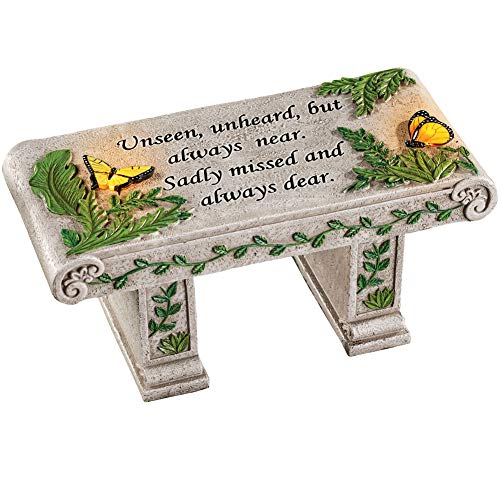
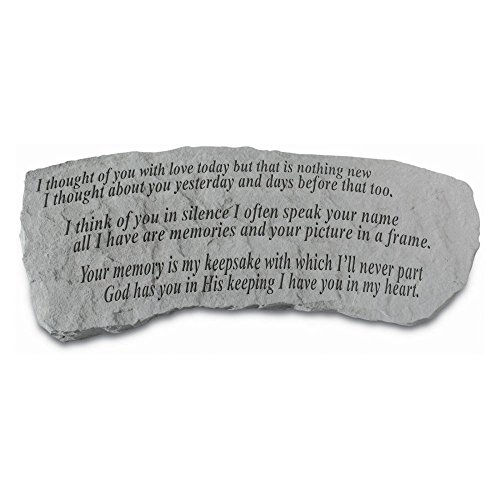
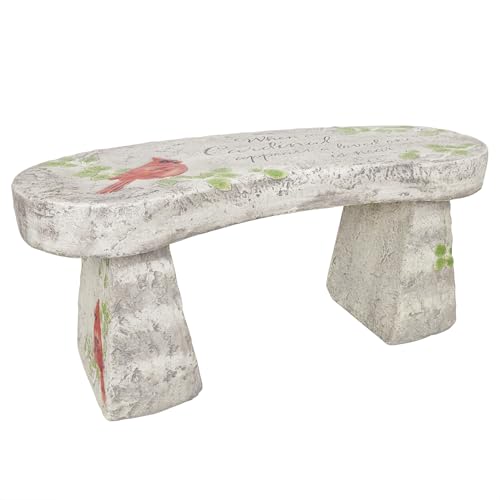
Cast stone and concrete benches feel permanent in the best sense. Their weight resists wind and casual movement, and their surfaces suit engraved lettering and inset plaques. In cooler climates, choose a bench rated for freeze-thaw cycles to prevent surface spalling. Stone benches are heavy-duty by nature, so plan delivery and placement carefully. For a garden that will be visited for decades, a cement garden bench offers a classical, enduring presence.
Metal Benches
Powder-coated aluminum is the practical hero of humid and coastal regions: it will not rust through, it is lighter to move, and modern coatings hold color well. Wrought iron and steel offer more ornate silhouettes and a substantial feel, but require attention to coating integrity. A rust-proof finish and periodic touch-ups keep metal benches looking sharp. Metal pairs well with engraved plaques mounted to the backrest.
Composite and Resin
Composite benches mimic wood or stone while demanding very little care. They are consistent in appearance, resist moisture, and suit shared or public gardens where maintenance budgets are limited. While they may lack the patina of natural materials, mid-range composite benches have become genuinely durable and are a solid choice for low-maintenance remembrance areas.
Design, Comfort, and Engraving
A memorial bench should be comfortable enough to invite sitting. Backrest height, seat depth, and armrests all affect how long visitors linger. Benches with a gently contoured seat and supportive back are more welcoming than purely decorative designs. If the bench will be used by older visitors, armrests provide valuable support when sitting and standing.
Engraving turns a bench into a personal tribute. There are three common approaches:
- Direct engraving or routing into wood slats or stone faces—permanent and integrated into the material.
- Cast or etched metal plaques mounted to the backrest—flexible, replaceable, and suitable for longer inscriptions.
- Laser-etched inserts on composite or coated metal—crisp and precise for names, dates, and short verses.
Keep inscriptions concise and legible. Weather exposure and distance from the viewer both affect readability, so choose lettering that is large enough and high-contrast. If the bench will sit in full sun, darker lettering on lighter material tends to hold up visually over time.
Placement and Setting
Where you place the bench shapes the experience of visiting it. The best memorial spots feel intentional, quiet, and sheltered without being isolated. Consider these factors:
- View and focus: Face the bench toward a meaningful view—a flowering shrub, a water feature, or a favorite tree.
- Shade: Afternoon shade makes the bench usable in warmer months; dappled light adds a contemplative mood.
- Access: A level, stable path ensures visitors of all ages can reach the bench safely.
- Drainage: Avoid low spots where water pools; moisture accelerates wear on wood and metal joints.
- Privacy: A slight setback from main paths creates a sense of enclosure without hiding the bench.
In community or public gardens, check whether permits or approvals are required before installing a memorial bench. Many organizations have designated remembrance areas and preferred specifications. For a broader look at how benches can anchor outdoor spaces, see these garden benches for sale options, which illustrate how placement and style interact in real settings.
Understanding Quality Tiers
To compare benches without focusing on cost, it helps to think in terms of quality tiers. These descriptors reflect position in the market and construction approach, not any specific figure.
| Tier | Typical Characteristics | Best For |
|---|---|---|
| Entry-Level | Simpler joinery, standard coatings, basic profiles | Short-term or sheltered placements |
| Mid-Range | Solid construction, better finishes, refined comfort | Most private gardens and family tributes |
| Premium | High-grade materials, precision joinery, refined detailing | Long-term memorials in exposed locations |
| Luxury | Exceptional craftsmanship, custom engraving, flagship materials | Signature memorials and heritage gardens |
Mid-range benches often represent the strongest balance for memorial use: they offer durable construction and good comfort without unnecessary ornamentation. Premium and luxury tiers make sense when the bench will serve as a long-term landmark, when custom engraving is central to the tribute, or when the setting demands a specific design language.
Long-Term Care and Weatherproofing
A memorial bench should be cared for the way you would care for a keepsake—gently and consistently. Seasonal maintenance is straightforward and pays off over decades.
Wood Care
Clean wood with a soft brush and mild soap, then rinse and allow to dry fully. Apply a weather-resistant sealant or oil annually, ideally before the wet season. Check for loose fasteners and tighten them as needed. If the bench is in a very sunny spot, a UV-resistant finish will slow greying and grain checking.
Metal Care
Wipe metal surfaces with a damp cloth and mild detergent. Inspect welded joints and coating edges for chips; touching up a rust-proof finish promptly prevents rust creep. In coastal areas, rinse the bench occasionally to remove salt residue.
Stone Care
Stone benches need little beyond an occasional wash with water and a mild, pH-neutral cleaner. Avoid harsh acids, which can etch the surface. If the bench is engraved, clean lettering with a soft brush to keep the inscription legible.
How to Choose the Right Memorial Bench
With materials, design, and placement in mind, the final decision comes down to matching the bench to its purpose and setting. Use this checklist to focus your choice:
- Define the setting: Private garden, shared courtyard, or public green space—each has different durability and approval needs.
- Match material to climate: Choose hardwood or stone for dramatic seasonal swings; choose aluminum or composite for humid and coastal areas.
- Prioritize comfort: A bench meant for lingering visitors should have a supportive back and comfortable seat depth.
- Plan the inscription: Decide between direct engraving and a plaque, and draft wording that will remain meaningful over time.
- Confirm construction quality: Look for reinforced joints, weather-resistant coatings, and stable feet or anchoring points.
- Commit to care: Choose a material whose maintenance routine you can realistically sustain.
If you are exploring complementary seating or structural options, related pages on modern outdoor benches and DIY outdoor benches offer useful context on how bench forms and construction methods vary. For formal or classical garden settings, the comparison between a dedicated memorial garden bench and a standard garden bench can clarify which feature set matters most for a tribute.
Ready to Explore Memorial Garden Bench Options?
Browse our recommended selection of memorial garden benches and compare features, materials, and engraving options that suit your tribute.
Explore OptionsFrequently Asked Questions
What is the best material for a memorial garden bench?
The best material depends on climate and maintenance preference. Teak and other hardwoods offer warmth and longevity with periodic sealing, cast stone and concrete provide a timeless heavy-duty presence, and powder-coated aluminum delivers a lightweight, rust-resistant option for humid regions.
Can a memorial garden bench be engraved?
Yes. Most wood, stone, and metal benches can be engraved or fitted with a memorial plaque. Engraving is typically done by the manufacturer or a local specialist, and a plaque is often the more flexible option for later inscription changes.
Where should I place a memorial bench in the garden?
Place the bench where it invites quiet reflection—under a shade tree, beside a water feature, or facing a favorite view. Consider foot traffic, drainage, and whether the spot receives direct afternoon sun before finalizing the location.
How do I protect a memorial bench outdoors?
Apply a weather-resistant sealant to wood, touch up metal coatings as needed, and clean stone with a mild solution. A fitted cover during harsh seasons and routine inspections for loose joints will extend the bench's life for decades.
A memorial garden bench is a lasting gesture—a seat in the landscape that holds memory and invites reflection. By choosing a material suited to your climate, prioritizing comfort and legible engraving, placing the bench thoughtfully, and committing to simple seasonal care, you create a tribute that will serve visitors for many years. Take your time, compare options across tiers, and let the setting guide your final choice.