Memorial Bench Guide: Choosing a Lasting Tribute
A memorial bench is more than outdoor seating — it is a quiet place to remember, reflect, and share stories. This guide explains how to choose the right bench, materials, placement, and personalization so your tribute endures for years.
Start With the EssentialsWhy a memorial bench? Benches create a natural focal point for remembrance in gardens, parks, and patios. They invite visitors to pause, and when thoughtfully chosen they blend into the landscape rather than feeling out of place. Use this guide to make a confident, informed decision before you shop.
How to Choose the Right Memorial Bench
Start with the purpose. A tribute bench may serve as a private place for family reflection or as a public gathering spot in a community garden. That purpose shapes size, material, and placement. Consider how many people should sit together comfortably — a two-seater suits intimate reflection, while a three-seat bench works well for family visits.
Next, think about the setting. Formal gardens often pair well with clean-lined benches, while woodland or cottage gardens favor rustic styles. A modern outdoor bench can anchor a contemporary patio, while a classic timber seat feels at home under mature trees. Whichever style you lean toward, prioritize comfort: gently contoured seats and supportive backs encourage longer, more meaningful visits.
- Decide on seating capacity — two or three seats is typical for memorial benches
- Match the style to the surrounding landscape or patio design
- Prioritize a supportive backrest and comfortable seat depth
- Confirm whether the bench will be on private, public, or cemetery land
Best Materials for a Memorial Bench
Material choice determines longevity, maintenance, and how the bench ages over time. There is no single best option — the right choice depends on climate, intended lifespan, and how much upkeep you are prepared to do. The tiers below describe relative market positioning, not specific figures.
Teak & Dense Hardwoods
Warm, natural appearance that develops a silver-grey patina. Naturally resistant to rot and insects; occasional oiling preserves the golden tone. Ideal for classic gardens and long-term tributes.
Cast Aluminum & Powder-Coated Steel
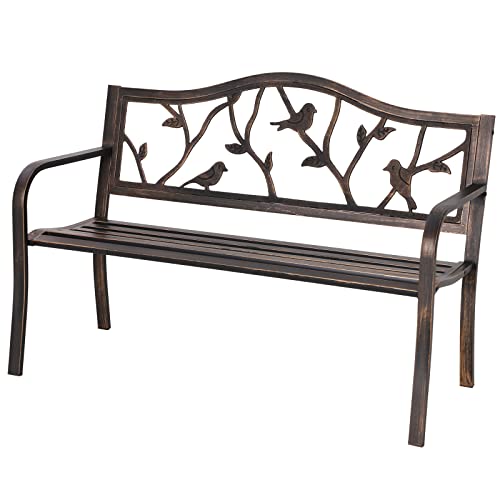
Lightweight yet sturdy, with rust-resistant finishes and low maintenance. Ornate cast designs suit formal settings; sleek frames suit modern patios. Check for marine-grade hardware in coastal areas.
Concrete & Natural Stone
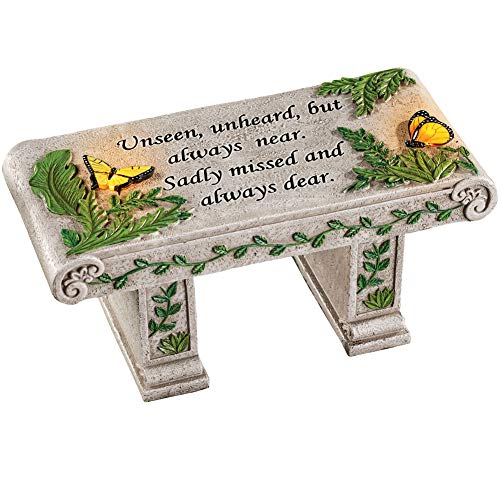
The longest lifespan of any option and a timeless, permanent presence. Heavy and difficult to relocate, so placement should be carefully planned. Look for sealed, frost-resistant finishes.
Recycled Plastic Lumber
Low-maintenance and highly weather-resistant, making it a practical choice in wet or coastal climates. Modern profiles look neat and require only occasional washing.
| Material | Tier | Best For | Upkeep |
|---|---|---|---|
| Teak / dense hardwood | Premium tier | Classic gardens, long-term tributes | Periodic oiling |
| Cast aluminum / steel | Mid-range tier | Formal or modern patios, coastal areas | Wipe clean, inspect fasteners |
| Concrete / stone | Top-tier | Permanent installations, cemeteries | Occasional wash, reseal |
| Recycled plastic lumber | Entry-level tier | Wet climates, low-maintenance settings | Minimal — soap and water |
If you are still comparing styles, browsing garden benches for sale can help you narrow down profiles and finishes before committing to a memorial design.
Placement: Where a Memorial Bench Belongs
Placement gives a memorial bench its meaning. A seat beneath a favorite tree, beside a garden path, or overlooking a bird bath or fountain creates a natural invitation to pause. Choose a spot that is quiet, sheltered from strong wind, and easy to reach for older visitors.
Ground conditions matter. Set the bench on a level, well-drained surface — a gravel pad, paving stones, or a concrete footing — to prevent settling and wobbling. If the bench sits on public land or in a cemetery, confirm permissions and any regulations about size, materials, and inscriptions before installation.
- Choose a quiet spot with a meaningful view
- Ensure level, well-drained ground and stable footing
- Keep the path to the bench accessible for all ages
- Verify permissions for public or cemetery locations
Personalizing a Memorial Bench
Personal touches turn a bench into a true tribute. Engraved nameplates, laser-etched text, and carved messages are the most common options. Keep wording concise — names, dates, and a short phrase or line of verse often read best and remain legible over time.
Match the plaque material to the bench: brass and stainless steel suit wood and metal benches, while stone or concrete benches may use inset plaques or direct engraving. Mount plaques with corrosion-resistant screws and seal edges to prevent moisture ingress. For a more understated tribute, a small engraved tag on the backrest can be just as meaningful.
Caring for a Memorial Bench Over Time
Regular care preserves both appearance and structure. Clean the bench seasonally with mild soap and water, rinse thoroughly, and dry with a soft cloth. Inspect joints, screws, and mounting hardware twice a year and tighten anything loose.
Reapply protective finishes according to the material — oil for hardwood, wax or touch-up paint for metal, and sealant for concrete and stone. In regions with harsh winters, cover or store the bench if it is not designed for year-round exposure. A bench that is cared for becomes a lasting part of the landscape, ready to welcome visitors for decades.
Frequently Asked Questions
What is the best material for a memorial bench?
The best material depends on climate and desired upkeep. Teak and other dense hardwoods offer warmth and longevity with periodic sealing. Cast aluminum and powder-coated steel resist moisture and insects with minimal care. Concrete and stone provide the longest lifespan and a timeless look, while recycled plastic lumber offers low-maintenance durability in wet or coastal conditions.
Where should a memorial bench be placed?
Choose a quiet spot with a meaningful view, such as beneath a favorite tree, beside a garden path, or overlooking a water feature. Ensure the ground is level and well-drained, and confirm permissions if the bench will sit on public land or in a cemetery.
How can a memorial bench be personalized?
Common personalization options include engraved nameplates, laser-etched text, carved messages, and small inset plaques. Keep wording concise and weatherproof, and choose a mounting method appropriate for the bench material.
How do you maintain a memorial bench outdoors?
Clean the bench seasonally with mild soap and water, inspect fasteners and joints, and reapply protective finishes according to the material. Cover or store the bench during harsh winters if it is not designed for year-round exposure.
Related Reading
Explore more outdoor seating and tribute ideas to complement your memorial bench project.