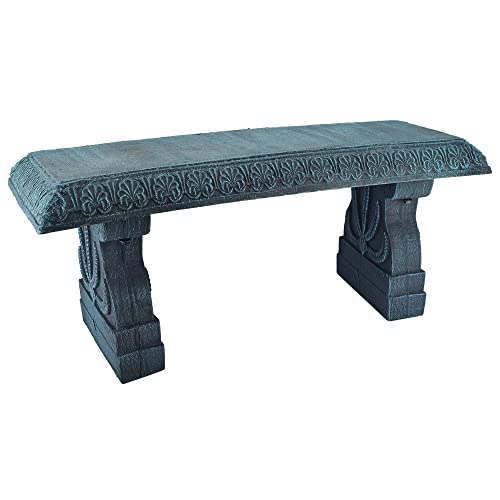
Cement Garden Bench: The Complete Buying Guide
Everything you need to know about choosing a durable, timeless concrete or cement garden bench — from materials and styles to placement, comfort, and long-term care.
Start ExploringWhy Choose a Cement Garden Bench
A cement garden bench is one of the most enduring pieces of outdoor furniture you can add to a landscape. Unlike wood that can rot or metal that can rust, a well-cast concrete bench holds its shape, color, and structure through years of sun, rain, and seasonal change. For homeowners who want a seating anchor that feels permanent and architectural, cement and cast stone benches are a natural fit.
Beyond durability, these benches bring a sculptural quality to gardens and patios. They can serve as a focal point at the end of a path, a quiet resting spot beneath a tree, or a sturdy seat around a fire feature. Many designs pair beautifully with natural stone, gravel, and lush planting, which is why landscape designers frequently specify concrete benches in formal and contemporary gardens alike.
If you are still exploring broader seating options, our guide to garden benches for sale covers materials, styles, and shopping considerations across the category. For those planning a full seating arrangement, the modern outdoor bench guide explores clean-lined alternatives that complement contemporary landscapes.
Cement, Concrete & Composite: Materials Explained
The terms "cement" and "concrete" are often used interchangeably in retail, but they are not the same. Cement is the binding powder; concrete is the finished material made from cement, aggregates, and water. When shopping for a cement garden bench, you are typically looking at one of three constructions:
Cast Concrete
Cast concrete benches are poured into molds, producing dense, heavy, and highly durable pieces. High-density cast concrete resists moisture penetration better than porous mixes and can be reinforced with steel or fiber for added strength. These benches are the heaviest option and usually require professional delivery and placement.
Cast Stone
Cast stone is a refined concrete product designed to mimic natural limestone or sandstone. It offers a more polished, architectural look and is common in formal gardens. Quality cast stone benches are sealed at the factory and hold up well outdoors, though they still benefit from periodic resealing.
Composite & Fiber-Reinforced Concrete
Composite and fiber-reinforced designs reduce weight while retaining much of concrete's durability. These mid-range options are easier to move and often more comfortable in cold climates because they are less prone to freeze-thaw cracking. They can mimic the look of solid stone convincingly.
| Material | Tier | Best For | Key Consideration |
|---|---|---|---|
| Cast concrete | Essential to mid-range | Permanent garden anchors, heavy-duty use | Very heavy; plan placement carefully |
| Cast stone | Premium | Formal gardens, architectural focal points | Refined finish; periodic sealing recommended |
| Fiber-reinforced concrete | Mid-range | Balanced durability and manageability | Lighter than solid cast; check reinforcement quality |
| Composite / resin-stone | Entry-level to mid-range | Easy relocation, cold climates | Verify UV stability and warranty |
For a wider look at how bench materials compare across the market, see our roundup of garden bench options and the DIY outdoor bench guide if you are considering a build-your-own approach.
Popular Styles & Design Options
Cement garden benches come in a surprising range of silhouettes. The right style depends on your garden's architecture and the role you want the bench to play.
Classic Park Bench
Slatted seats and backs cast in concrete or cast stone give a traditional park-bench look. These work well in formal gardens, along gravel paths, and near rose beds. The slatted design also drains water effectively.
Modern Minimalist Bench
Clean, block-like forms with straight lines suit contemporary landscapes and minimalist patios. These benches often double as sculptural elements. Pair them with gravel, ornamental grasses, and low planters for a gallery-like effect.
Curved & Conversation Benches
Curved concrete benches are designed to wrap around fire pits or form intimate seating circles. If you are planning a fire feature, our guides to a concrete fire pit with hidden propane tank and a curved outdoor bench with back for fire pit explore how seating and fire features work together.
Memorial & Commemorative Benches
Concrete and cast stone are popular choices for memorial benches because engraving holds up beautifully outdoors. Our guide to a memorial garden bench covers inscription options, placement, and etiquette considerations.
Backless vs. With Back
Backless benches are versatile and can be approached from either side, making them ideal for paths and open lawns. Benches with backs offer more support for long sits and are better for reading nooks or quiet corners.
Comfort, Ergonomics & Cushions
Cement is rigid, so comfort comes down to design and accessories. When evaluating a bench, look for:
- Seat depth and height: A seat height around 17–18 inches and a depth of 16–18 inches suits most adults.
- Contoured seating: Slightly dished or rolled seat edges reduce pressure points compared to flat slabs.
- Back angle: Benches with backs should have a gentle recline (around 10–15 degrees) for comfortable leaning.
- Armrests: Helpful for older users and for getting up from a low seat.
Adding an outdoor cushion or seat pad transforms a hard concrete bench into a comfortable spot for lingering. Choose weather-resistant fabrics with UV protection and quick-dry foam. A fitted bench cushion also adds color and softens the bench's visual weight in the garden.
Placement & Landscape Design Tips
Because cement benches are heavy and semi-permanent, placement deserves careful thought. Consider these principles:
Anchor a Focal Point
Position a bench at the end of a path, beneath a specimen tree, or facing a water feature or fire pit. A bench gives the eye a resting place and makes the garden feel intentional.
Respect Scale
A large concrete bench in a small courtyard can feel oppressive. In compact spaces, choose a slimmer profile or a backless design. In expansive gardens, a substantial bench holds its own against large plantings and long sightlines.
Consider the Surface Below
Concrete benches sit well on gravel, flagstone, and concrete pads. On lawns, place them on a prepared base to prevent sinking and to keep the bench level. A small gravel pad also improves drainage around the feet.
Sun and Shade
Concrete absorbs heat, so a bench in full afternoon sun can become uncomfortable. Position it under dappled shade or near a pergola for the most pleasant microclimate. If you are designing a shaded seating area, our lanai patio guide offers ideas for covered outdoor living.
Pair with Planters
Flanking a bench with large planters creates a framed, finished look. Our guide to a large box planter covers sizing and placement for statement containers.
Durability, Weather & Climate Considerations
Cement and concrete benches are among the most weather-resistant seating options available, but performance varies by climate and construction quality.
Strengths
- Resists rot, insects, and rust
- Heavy enough to stay put in wind
- Holds color and shape for decades
- Low maintenance compared to wood
- Engraving and custom finishes are possible
Watch Points
- Very heavy — delivery and relocation are challenging
- Porous mixes can stain or develop algae
- Freeze-thaw cycles can crack poorly sealed concrete
- Hard surface without cushions
- Limited adjustability once installed
Cold Climates
In regions with hard freezes, choose high-density, air-entrained concrete or fiber-reinforced designs that resist freeze-thaw damage. Apply a penetrating sealer before winter and ensure the bench is not sitting in a spot where water pools and refreezes around the feet.
Hot & Humid Climates
Humidity encourages algae and mildew on porous surfaces. A sealed bench wipes clean more easily and resists green film. In coastal areas, choose designs with corrosion-resistant reinforcement and rinse the bench periodically to remove salt residue.
Rainy Regions
Slatted and backless designs drain quickly. If your bench has a solid seat, check that water does not pool — a slight slope or drainage channel is ideal.
Cleaning, Sealing & Maintenance
Cement garden benches need very little routine care, but a simple maintenance rhythm keeps them looking their best for decades.
Routine Cleaning
- Rinse with a garden hose to remove loose dirt and pollen.
- Scrub with mild soap and a soft-bristle brush.
- Avoid harsh acids and abrasive cleaners that can etch the surface.
- For algae or mildew, use a diluted oxygen-based cleaner rather than chlorine bleach.
Sealing
A penetrating sealer applied every one to three years (depending on climate and exposure) protects against stains, moisture, and freeze-thaw damage. Seal new benches after the concrete has fully cured, and reseal when water no longer beads on the surface.
Seasonal Checks
- Inspect for hairline cracks before winter and seal if needed.
- Clear debris from around the feet to prevent moisture buildup.
- Check that the bench remains level; adjust the base if it shifts.
If you are maintaining a broader outdoor setup, our weatherproofing guide covers protective strategies for furniture and structures across the patio.
Cement vs. Wood vs. Metal Benches
Cement is not the right choice for every garden. This comparison highlights how it stacks up against the other common bench materials.
| Feature | Cement / Concrete | Wood | Metal |
|---|---|---|---|
| Lifespan | Decades with sealing | 10–20 years with care | 15–25 years depending on finish |
| Maintenance | Low; periodic sealing | Moderate; staining and sealing | Low to moderate; rust checks |
| Weight | Very heavy | Moderate | Light to moderate |
| Comfort | Hard; benefits from cushions | Naturally warmer and softer | Hard; can heat up in sun |
| Style fit | Formal, modern, architectural | Rustic, farmhouse, traditional | Industrial, modern, classic |
| Best for | Permanent garden anchors | Flexible layouts and DIY | Portable and budget-conscious setups |
For a deeper look at complementary seating, our curved outdoor bench with back for fire pit and modern outdoor bench articles explore specific styles in detail.
What to Check Before You Buy
Buying a cement garden bench is a considered purchase. Use this checklist to evaluate options with confidence.
Construction & Materials
- Reinforcement: Look for steel or fiber reinforcement in load-bearing areas.
- Density: High-density cast concrete resists moisture better than porous mixes.
- Finish: Factory-sealed surfaces last longer; check whether sealing is recommended after installation.
- Edges: Rolled or chamfered edges are more comfortable and less prone to chipping.
Dimensions & Fit
- Measure your intended space, including clearance for walking around the bench.
- Confirm seat height, depth, and overall footprint.
- Check the weight and plan delivery access — narrow gates and steps matter.
Warranty & Support
- Read the warranty for coverage of cracking, fading, and structural issues.
- Ask about delivery and placement services for heavy pieces.
- Confirm return policies before ordering online.
For related outdoor seating ideas, explore our guides to dining bench seats and garden chairs to build a cohesive seating plan.