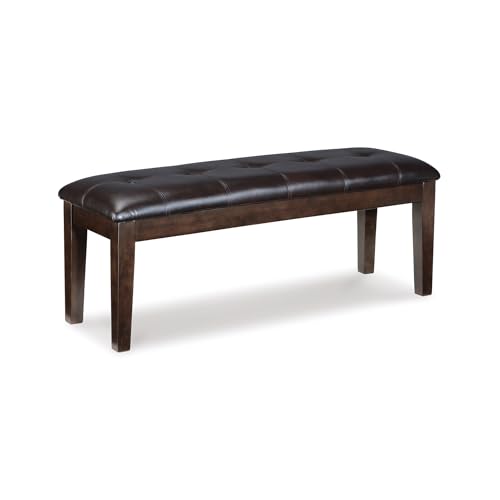
Dining Bench Seat: The Complete Guide to Choosing the Right One
Everything you need to know about selecting a dining bench seat for your patio table — sizing, materials, comfort, and styling for a functional, beautiful outdoor dining space.
Explore the GuideWhy Choose a Dining Bench Seat Over Individual Chairs?
Benches have moved well beyond the picnic table. Today's dining bench seats are designed for patios, decks, and covered porches, offering a blend of practicality and style that individual chairs often cannot match.
- Space efficiency: A bench seats two to four people along a single edge, freeing up floor area around the table. This is especially valuable on compact decks or balconies where chair backs would crowd the walking path.
- Cost efficiency within its class: Per seating position, a bench is typically more efficient than buying individual dining chairs — a solid choice for the essential tier of outdoor furniture.
- Visual cohesion: A long bench creates a clean, uninterrupted line along the table, which reads as intentional and architectural. It pairs naturally with a modern outdoor furniture aesthetic.
- Social atmosphere: Shared seating encourages conversation and a relaxed, family-style dining experience that fits perfectly with outdoor entertaining.
- Kids and pets: Bench seating is easier for children to climb onto and provides a stable, backless platform that adapts to different ages — a practical feature for a kid-friendly patio.
That said, a bench is not a universal replacement for chairs. Benches work best on one or two sides of a rectangular table, paired with dining chairs on the opposite side for a balanced, flexible arrangement. If you need back support for every guest, consider a bench with a back or mixing bench and chair seating.
How to Size a Dining Bench Seat for Your Table
Getting the dimensions right is the single most important step. A bench that is too long overhangs the table legs; one that is too short leaves awkward gaps. Use these guidelines as your starting point.
Seating Allowance Per Person
Plan for 24 inches (about 61 cm) of bench length per adult. Children need roughly 18 inches. This allowance covers shoulder width and the natural elbow room needed during a meal.
Bench Length Relative to Table Length
| Table Length | Recommended Bench Length | Comfortable Seating |
|---|---|---|
| 48 inches (4 ft) | 42–48 inches | 2 adults |
| 60 inches (5 ft) | 54–60 inches | 2–3 adults |
| 72 inches (6 ft) | 66–72 inches | 3 adults |
| 84 inches (7 ft) | 78–84 inches | 3–4 adults |
| 96 inches (8 ft) | 88–96 inches | 4 adults |
Height and Clearance
Seat height should be 17–19 inches (43–48 cm) from the ground for a standard 28–30 inch dining table. The bench top should sit roughly 10–12 inches below the tabletop. Also check that the bench can slide under the table apron or between the legs — measure the clear space between table legs before you commit.
Choosing the Right Material for Your Dining Bench Seat
Material determines durability, maintenance, weight, and the overall look of your bench. Here is how the main categories compare.
Wood Benches
Wood brings warmth and a timeless, natural character. Teak, acacia, and cedar are the standout outdoor species because of their natural oils and resistance to rot.
- Teak: Premium tier; naturally weather-resistant and ages to a silver-grey patina. A long-term investment with minimal upkeep.
- Acacia: Mid-range; dense and durable, though it benefits from an annual sealant in wet climates.
- Cedar: Essential to mid-tier; lightweight and naturally repellent to insects, ideal for covered porches.
- Eucalyptus: Mid-range; a sustainable hardwood that holds up well with regular oiling.
Wood benches pair beautifully with a farmhouse-style table or a modern outdoor bench frame. For care guidance, see our notes on wood furniture care.
Metal Benches
Powder-coated aluminum is lightweight and rust-resistant — a smart choice for coastal or humid regions. High-grade steel is heavier and more rigid, giving a solid, anchored feel. Wrought iron offers classic detailing but requires periodic touch-ups to the finish. Metal benches complement metal dining chairs and work well with industrial or contemporary schemes.
Resin, Wicker, and HDPE
High-density polyethylene (HDPE) and resin wicker are all-weather workhorses. They resist moisture, UV fading, and insects, and wipe clean easily. These are the most maintenance-light options and suit busy households. They are also a natural fit for a coastal patio or bohemian oasis aesthetic when woven in natural tones.
Concrete and Stone
For a permanent, architectural statement, a concrete or stone bench is unmatched for stability. These are heavy and best placed as fixed seating along a wall or the edge of a patio. If you like this look, explore cement garden bench options and DIY concrete block benches.
| Material | Position in Market | Best For |
|---|---|---|
| Teak / premium hardwood | Premium to luxury tier | Long-term investment; covered or open patios |
| Acacia / eucalyptus | Mid-range | Balanced durability and design flexibility |
| Powder-coated aluminum | Essential to mid-tier | Humid or coastal climates; lightweight placement |
| HDPE / resin wicker | Essential to mid-tier | Low-maintenance households; busy family patios |
| Concrete / stone | Professional-grade | Fixed, permanent seating; architectural focal points |
Comfort Features That Make a Difference
A bench can be every bit as comfortable as a chair — the details are what count.
- Seat contour: A slight scoop or saddle shape distributes weight more evenly than a flat plank. Look for this if you plan long, lingering dinners.
- Edge treatment: Rounded or beveled front edges prevent pressure on the backs of the thighs. Avoid sharp, square edges on benches without cushions.
- Width: A seat depth of 14–16 inches is comfortable for most adults. Benches narrower than 12 inches feel unstable.
- Cushion compatibility: If you want padding, choose a bench with a flat, uniform top so a bench cushion sits securely. Tie-on or non-slip backing helps in breezy conditions.
- Back support: Backless benches encourage movement and accommodate guests of different sizes. If you want back support, a curved loveseat or a backed bench offers a more lounging posture.
For a unified look, coordinate your bench with the rest of your set. A dining outdoor patio set often includes matched benches, or you can build your own pairing with a large dining table with an umbrella hole and a complementary bench.
Styles and Design Pairings
Your bench should feel like it belongs with the table, the architecture, and the surrounding landscape. A few directions to consider:
Farmhouse and Rustic
A heavy wooden bench with a simple plank seat and sturdy legs anchors a farmhouse table beautifully. Pair it with a farmhouse dining table with bench or a farmhouse table with bench and chairs for a mixed, lived-in look.
Modern and Minimal
Clean lines, slim profiles, and metal frames define the modern bench. These pair naturally with modern dining tables and modern outdoor chairs. A backless aluminum bench keeps sightlines open on a small patio.
Coastal and Casual
Whitewashed wood, woven resin, and light-toned metal suit a breezy, coastal patio. Add a patio umbrella with solar lights for evening ambiance.
Eclectic and Collected
Mixing a wooden bench with metal chairs, or a painted bench with natural wood, creates a collected look. This approach works well with a bohemian oasis or a rustic farmhouse patio.
Placement, Care, and Longevity
Where you place your bench and how you care for it will determine how long it serves your household.
- Placement: Position the bench on the side of the table with the best view and the least foot traffic. Leave at least 30 inches of clearance behind the bench for guests to push back and stand.
- Sun exposure: Wood will fade and metal will heat up in direct sun. If your patio gets full-day sun, consider a UV-stable resin bench or add shade with a patio umbrella.
- Cleaning: Wipe weekly with mild soap and water. Avoid harsh chemicals on wood and powder-coated metal.
- Seasonal protection: Apply a sealant to wood annually, touch up metal scratches promptly, and use a fitted cover during off-seasons. Our weatherproofing guide covers the full routine.
- Storage: Cushions should come indoors during rain and winter. See our cushion storage solutions for ideas.
If you are building your outdoor dining area from scratch, start with our patio essentials checklist and our guide to outdoor dining to plan the full layout.
Quick Buying Checklist
Before you finalize your choice, run through these checkpoints:
- Measure twice: Table length, leg clearance, and walkway width.
- Match the material to your climate: Teak or aluminum for wet/humid; cedar or HDPE for covered porches; concrete for permanent placement.
- Confirm seat height: 17–19 inches for a standard 28–30 inch table.
- Test the contour: Sit before you commit; a scooped seat is worth it for long meals.
- Plan the mix: Bench on one side, chairs on the other for flexible seating.
- Coordinate with your table: Style and finish should feel intentional together.
- Factor in care: Choose a material whose maintenance routine you will actually keep up with.
For more inspiration on pairing your bench with the right table and chairs, browse our guides to outdoor dining chairs, dining room chairs with bench, and garden furniture conversation sets.
Frequently Asked Questions
What size dining bench seat do I need for my outdoor table?
Allow 24 inches of bench length per adult. For a 72-inch table, a bench between 66 and 72 inches long seats three adults comfortably. Always measure the table's leg clearance to ensure the bench tucks in without obstruction.
Which material is best for an outdoor dining bench seat?
Teak, acacia, and cedar are excellent natural wood options. Powder-coated aluminum and high-grade steel offer durability with low maintenance. HDPE and resin wicker provide lightweight, all-weather performance. Match the material to your climate and maintenance preferences.
Can a dining bench seat be used without cushions?
Yes. Many wooden and contoured metal benches are designed for comfortable seating without cushions. Look for a slightly scooped seat and rounded front edge if you plan to go cushion-free.
How do I protect a dining bench seat from the weather?
Use a fitted, breathable cover during off-seasons, apply a UV-protective sealant to wooden benches annually, and store cushions indoors. For metal benches, touch up scratches in the powder coating to prevent corrosion.
Should I pair a bench with chairs or use two benches?
One bench on one side and chairs on the other is the most flexible arrangement — it offers back support for some guests and a relaxed, communal feel for others. Two benches suit a fully communal setup but limit back support. For mixed seating ideas, see outdoor dining chairs set of 6.
Ready to Complete Your Outdoor Dining Space?
Explore our hand-picked selection of dining bench seats and complementary outdoor furniture below — then build the patio dining area you have been planning.
View Recommended Benches