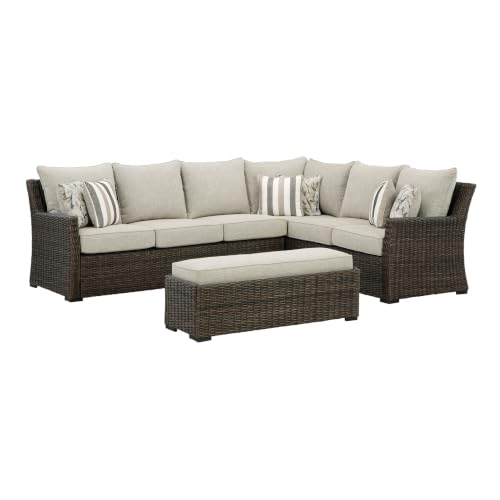
Garden Furniture That Can Be Left Outside All Year
Rain, frost, and harsh summer sun destroy weak outdoor pieces fast. This guide explains exactly which garden furniture genuinely survives year-round exposure, how each material performs, and what to check before you commit to a set.
Explore All-Weather MaterialsWhy this matters: If you are researching garden furniture that can be left outside all year, you are likely comparing sets and want to avoid replacing them in two seasons. The honest answer is that "weatherproof" is not a single property. It depends on the material, the finish, the joints, and how well the piece sheds water. This guide walks through each option so you can decide with confidence before checking availability through the recommended products below.
The Materials That Genuinely Survive Year-Round
Four material families dominate the all-weather category. Each has a clear position in the market, and each is best suited to slightly different gardens and climates. The tiers below describe market positioning and build quality, not any numeric figure.
Solid Teak
Teak contains natural oils that repel water and resist rot. A well-built teak bench or garden table can stay outdoors permanently, developing a silver-grey patina over time.
- Naturally rot and insect resistant
- Survives frost when joints drain properly
- Occasional oiling restores the original tone
HDPE Recycled Plastic
High-density polyethylene is engineered for permanent outdoor use. It will not rot, splinter, crack, or absorb water, and it holds colour under UV exposure far better than ordinary resin.
- Impervious to rain, frost, and salt air
- No painting, staining, or sealing required
- Heavier builds resist wind uplift
Powder-Coated Aluminum
Aluminum does not rust, and a quality powder coat protects the frame from scratches and UV fading. It is lighter than timber and easier to reposition, which matters for larger conversation sets.
- Rust-proof frame in wet climates
- Lightweight and simple to move
- Check that welds and coatings are intact
Marine-Grade Stainless Steel
Grade 304 or 316 stainless steel is the most corrosion-resistant metal option and is common in commercial-grade outdoor settings. It is heavier and often combined with timber or rope detailing.
- Excellent coastal and wet-weather performance
- Heavy-duty construction that stays put in wind
- Requires periodic cleaning to avoid surface staining
Comparing the Main Options Side by Side
The table below summarises how each material behaves across the conditions that matter most for permanent outdoor placement. Use it to narrow your shortlist before reading individual product listings.
| Material | Market Tier | Best For | Year-Round Resilience |
|---|---|---|---|
| Solid Teak | Premium tier | Benches, dining tables, statement seating | Excellent; needs occasional oiling |
| HDPE Recycled Plastic | Top-tier | Family sets, benches, low-maintenance gardens | Excellent; no treatment required |
| Powder-Coated Aluminum | Mid-range to premium | Lightweight dining and lounge sets | Very good; inspect coating annually |
| Marine-Grade Stainless Steel | High-end tier | Coastal gardens, heavy-duty frames | Very good; clean regularly |
| Synthetic Resin Wicker | Mid-tier | Lounge sets, garden seats | Good; cover in hard frost |
| Natural Wicker / Rattan | Essential tier | Sheltered porches only | Poor; not for permanent exposure |
What Actually Makes a Piece "All-Weather"
Material is only half the story. Two benches made from the same timber can perform very differently depending on how they are assembled. Before you commit to any set, check these construction details.
- Water drainage: Slatted or perforated surfaces let rain pass through instead of pooling on seats and tabletops.
- Joint design: Stainless or coated fasteners resist rust; glued and dowelled joints outlast staples in exposed positions.
- Elevated feet: Small gaps under legs stop water wicking into end grain and reduce frost damage.
- UV-stable finish: Powder coats and HDPE colouring should be rated for continuous sun exposure.
- Weight and wind resistance: Heavier frames and low profiles stay put in exposed gardens; consider heavy outdoor furniture that won't blow away for windy sites.
- Cushion specification: Quick-dry foam and solution-dyed acrylic covers survive damp far better than standard upholstery.
Matching Furniture to Your Garden and Climate
Year-round exposure means different things in different places. A coastal garden with salt spray has different demands from an inland plot that freezes hard each winter. Choose the material family that addresses your specific stress factor first.
For exposed, windy plots, prioritise weight and low wind profiles; a substantial garden table and 6 chairs in solid teak or HDPE will stay stable where a lightweight aluminum set might shift. For compact gardens, smaller all-weather pieces such as a garden knee bench or a garden stool in HDPE are practical because they can stay out without maintenance. If you want a full matching arrangement, look at garden sets built from a single weather-resistant material rather than mixed construction.
Where shade and comfort matter as much as durability, consider pairing a durable frame with a gazebo or a pergola so that the most exposed pieces sit under cover while still remaining outdoors year-round.
Maintenance That Keeps All-Weather Furniture Weatherproof
Even the best materials benefit from a light routine. None of these steps are demanding, but skipping them is the most common reason all-weather furniture ages prematurely.
- Rinse frames and tabletops at the start of each season to remove pollen, bird residue, and grit.
- Tighten bolts and hinges before summer, since freeze-thaw cycles can loosen fasteners.
- Oil teak once a year if you prefer the warm original tone; leave it bare if you like the silvered look.
- Store cushions indoors or in a heavy-duty waterproof outdoor storage box during the wettest months.
- Use breathable covers rather than sealed plastic, which traps condensation and encourages mould.
Frequently Asked Questions
What garden furniture can truly be left outside all year?
Solid teak, HDPE recycled plastic, powder-coated aluminum, and marine-grade stainless steel are the most reliable materials for permanent outdoor placement. They resist rot, rust, and UV fading when correctly finished and assembled.
Is wicker furniture safe to leave outside in winter?
Natural wicker should be brought indoors or covered during winter. Synthetic resin wicker is far more tolerant and can stay outside in most climates, though covering it during hard frost extends its lifespan.
Do I still need to cover all-weather furniture?
Covers are not strictly required for premium all-weather pieces, but breathable covers during long off-seasons protect cushions, reduce cleaning, and extend the life of moving parts such as gliders and hinges.
How do I maintain garden furniture left outside all year?
Rinse frames periodically, tighten fasteners before each season, treat timber with appropriate oil when it looks dry, and store cushions indoors or in a waterproof storage box during wet months.
Final Checklist Before You Choose
Use this short checklist to confirm a set is genuinely suitable for permanent outdoor placement. If a listing cannot answer these points clearly, treat it with caution.
- Material explicitly rated for outdoor, year-round use.
- Drainage designed into seats and tabletops.
- Fasteners stated as rust-resistant.
- Feet elevated from the ground surface.
- Cushions specified as quick-dry or solution-dyed.
- Frame weight appropriate for your wind exposure.
Once your shortlist meets these criteria, the recommended products below are a sensible next step. Each selection reflects the material tiers discussed above, so you can compare options that are genuinely built for permanent outdoor life.