Garden Knee Bench: The Complete Buying and Design Guide
Protect your knees and lower back while you plant, weed, and prune. Learn how a garden knee bench works, which materials hold up outdoors, and how to choose the right model for your gardening routine.
Start ExploringWhy this guide matters: Gardening is physically demanding, and repetitive kneeling on hard ground is a leading cause of knee and lower back discomfort among home gardeners. A well-chosen garden knee bench turns hours of back-breaking work into a comfortable, supported session. This guide walks you through the design, materials, and features that separate a genuinely useful knee bench from a wobbly afterthought.
What Is a Garden Knee Bench?
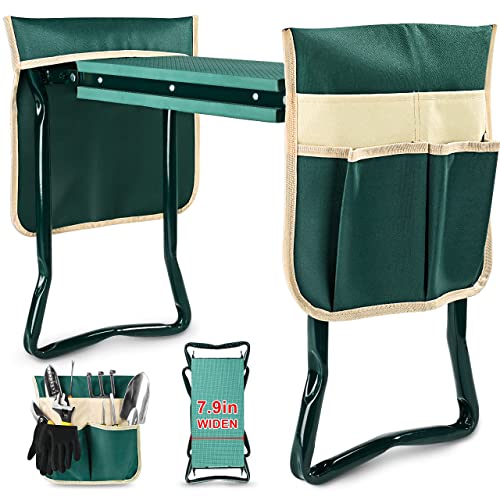
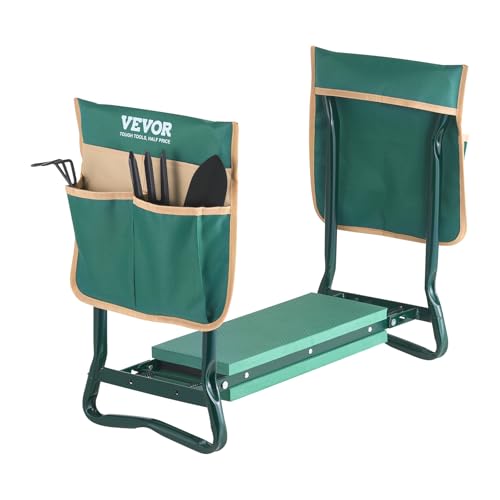
A garden knee bench is a low-profile, portable seat designed specifically for ground-level gardening tasks. Unlike a standard garden bench, which sits at a comfortable sitting height, a knee bench places you close to the soil so you can reach planting beds, borders, and raised containers without overextending your back.
Most models serve two functions. Flip the frame one way and it becomes a padded kneeling platform; flip it the other way and it becomes a low stool for sitting. Many designs also include sturdy side handles that give you leverage to stand up safely, which is especially valuable for older gardeners or anyone recovering from a knee injury.
If you are comparing this with other seating options for your outdoor space, our overview of garden seats covers the wider category, while this page focuses specifically on the knee bench format and what makes it different.
Key Benefits of Using a Knee Bench in the Garden
Knee and Joint Protection
The padded platform distributes body weight across a wider surface than a thin kneeling pad, reducing pressure on the kneecap and the soft tissue around the joint.
Lower Back Support
Working at a raised height keeps your spine in a more neutral position, which limits the rounding and twisting that cause stiffness after a long weeding session.
Easier Standing
Integrated side handles give you a stable grip to push up from, which matters for gardeners with limited mobility or tired legs after a long session.
Two Tools in One
Flipping the frame converts a kneeling platform into a low seat, so the same piece of equipment covers planting, pruning, and resting between tasks.
Portability
Folding frames and lightweight materials let you carry the bench from the vegetable patch to the flower border without hauling a full chair.
Cleaner Working Area
Raising your body off bare soil keeps clothing cleaner and reduces direct contact with damp ground, mulch, and garden debris.
Types of Garden Knee Benches
The market splits into a few recognizable formats. Understanding the differences helps you match the bench to your garden layout and the way you prefer to work.
Folding Metal Knee Benches
These are the most common design. A tubular steel or aluminum frame folds flat, and a foam pad forms the kneeling surface. Many models include handles and a second pad on the reverse side so the unit doubles as a stool. They are easy to store and carry, which suits gardeners who work across multiple beds.
Wooden Knee Benches
Wooden versions offer a warmer, more traditional look that blends into cottage-style gardens. They tend to be heavier and less portable, but the solid build feels stable on uneven ground. A weather-resistant finish is essential if the bench will stay outside. Our guide to good wood for outdoor furniture explains which species handle moisture best.
Combination Knee Bench and Tool Seat
Some designs add a storage compartment under the seat for hand tools, seed packets, or gloves. These are useful if you like to keep everything in one place, though the extra structure usually adds weight. For gardeners who also maintain a dedicated workspace, a garden working bench can complement a portable knee bench nicely.
Heavy-Duty and Wide-Platform Models
Wider platforms with reinforced frames suit larger gardeners or anyone who wants extra stability on soft, uneven soil. These models are often described as professional-grade or commercial-grade because they are built to withstand frequent use in community gardens and allotments.
Editorial tip: If you mainly garden in raised beds, a knee bench is less critical because the bed height already reduces bending. In that case, a garden stool or a garden stool with wheels may be a better match for your workflow.
Materials and Build Quality
Because a knee bench lives outdoors and takes your full body weight, the frame and pad materials matter more than they might first appear. Here is how the common options compare.
| Material | Durability | Weight | Best For |
|---|---|---|---|
| Powder-coated steel | High — heavy-duty, resists bending | Moderate to heavy | Frequent use and firm ground |
| Aluminum | Good — rust-proof but lighter gauge | Light | Portability and easy storage |
| Hardwood (teak, acacia) | Good with proper finish | Heavy | Cottage and traditional gardens |
| EVA foam pad | Good — closed-cell, resists moisture | Very light | Comfort during long sessions |
| Memory foam pad | Moderate — needs a waterproof cover | Light | Extra cushioning for sensitive knees |
Look for welded joints rather than rivets on steel frames, and check that the pad is attached with reinforced stitching or heavy-duty snaps. A rust-proof finish matters if the bench will stay outside between sessions. If you plan to leave other outdoor pieces out year-round, the same principles in our guide to garden furniture that can be left outside all year apply to knee benches as well.
How to Choose the Right Garden Knee Bench
Before you commit, run through these practical checks. They separate a bench that works for your body and garden from one that ends up stored in the shed.
Weight Capacity and Frame Stability
Check the stated weight capacity and look for a frame with a wide base. A narrow base tips more easily on soft soil, which is exactly where you will be using it. Heavy-duty models with reinforced legs are the safer choice for larger gardeners or for use on uneven ground.
Pad Thickness and Comfort
A pad of roughly one to two inches is the practical middle ground. Thinner pads save weight but bottom out on hard ground; very thick pads add bulk and can feel unstable. Closed-cell EVA foam is the most common choice because it does not absorb water.
Handles and Standing Support
Side handles are the single most useful feature for anyone with knee or hip sensitivity. Look for handles that are wide enough for a full grip and positioned so your hands clear the ground when you push up.
Folding Mechanism
A folding frame should lock firmly in both positions. Test that the hinge does not wobble when weight is applied. Simpler latch designs tend to hold up better than complex multi-position mechanisms.
Portability
If you garden across a large plot, weight matters. Aluminum frames are noticeably lighter than steel. Some models include a carry handle or shoulder strap, which is a small feature that makes a real difference over a full afternoon.
Storage Footprint
Folded dimensions determine whether the bench fits on a shelf or needs floor space. If storage is tight, measure your shed or garage before choosing a model. This is the same planning logic we recommend for larger pieces in our measurement guide.
Quality Tiers at a Glance
To compare models without getting lost in specifications, it helps to group them by build tier. The table below uses universal quality descriptors rather than any specific figures.
| Tier | Typical Build | Best For |
|---|---|---|
| Starter tier | Light aluminum frame, thin foam pad, basic folding latch | Occasional gardeners and small balcony plots |
| Balanced tier | Steel frame, medium-density pad, side handles, secure lock | Regular home gardeners with mixed beds |
| Premium tier | Reinforced steel or hardwood, thick EVA pad, wide base | Frequent use on uneven or soft ground |
| Luxury tier | Professional-grade frame, memory foam, tool storage, carry strap | Allotment gardeners and heavy daily use |
As a rule, a balanced-tier model covers most household needs. Moving up to a premium or luxury tier mainly buys you a more rigid frame and a more comfortable pad, which matters if you garden for hours at a time.
Companion Pieces for a Comfortable Garden Workspace
A knee bench works best as part of a small kit. If you spend long sessions in the borders, consider pairing it with these complementary items.
- A gardening cart with seat for carrying tools and resting between tasks.
- A gardening seat with wheels for moving along long beds without standing up.
- A garden potting bench for repotting and seed starting at a comfortable height.
- Gardening planter boxes to raise the working height and reduce the need to kneel at all.
For the wider outdoor space, our garden furniture hub connects these practical pieces with seating, tables, and storage guides.
Care and Maintenance
A knee bench takes more abrasion than most garden furniture because it sits directly on soil and stone. A few habits keep it usable for years.
- Wipe the pad after each session to remove soil and plant sap, which can degrade foam over time.
- Dry the frame thoroughly before folding it, especially around hinges and welds.
- Store the bench indoors or under cover during winter to prevent rust and pad cracking.
- Check bolts and rivets at the start of each season and tighten as needed.
- Apply a weather-resistant finish to wooden models once a year.
These steps mirror the seasonal routine in our weatherproofing guide, which covers outdoor pieces more broadly.
Frequently Asked Questions
What is a garden knee bench used for?
A garden knee bench is a low, supportive seat that lets you kneel or sit while planting, weeding, and tending to garden beds. It reduces strain on your knees and lower back and often includes side handles to help you stand up safely.
Is a garden knee bench better than a kneeling pad?
A knee bench offers more support than a simple pad because it raises your body off the ground and provides a stable frame with handles. A pad is lighter and more portable, while a knee bench is better for longer sessions and for gardeners with knee or back sensitivity.
Can a garden knee bench be folded for storage?
Yes, most modern garden knee benches are designed to fold flat, making them easy to store in a shed, garage, or closet. Folding models are also easier to carry between garden beds.
What materials are best for a garden knee bench?
Steel and aluminum frames are popular for durability and light weight. Cushioned kneeling surfaces often use EVA foam or memory foam. For a more natural look, wooden knee benches with weather-resistant finishes are a solid choice.
How do I choose between a knee bench and a garden stool?
Choose a knee bench if you work close to the ground in borders and vegetable beds. Choose a garden stool if you mainly work at raised beds or want a higher seat for resting. Some gardeners keep both, using the stool for taller beds and the knee bench for ground-level work.
Can I leave a garden knee bench outside?
Some weather-resistant models can stay outside for extended periods, but folding and storing the bench indoors is the safest habit. Moisture trapped in hinges and foam pads is the main cause of premature wear.