Gardening Planter Boxes: Complete Buying Guide
Everything you need to know before choosing a raised planter box — materials, sizes, drainage, placement, and practical growing tips for a thriving outdoor garden.
Why planter boxes matter: A well-chosen gardening planter box gives you control over soil quality, drainage, and placement — even on a patio, balcony, or small yard. This guide walks you through the decisions that separate a planter that lasts for seasons from one that disappoints after the first year.
What Are Gardening Planter Boxes?
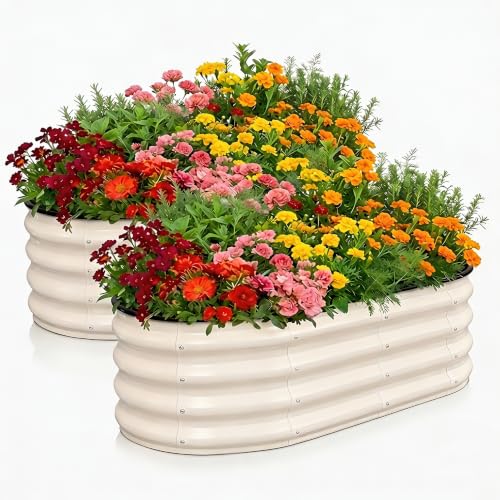
Gardening planter boxes are freestanding or raised containers designed to hold soil and plants above ground level. Unlike traditional in-ground beds, they let you garden on hard surfaces such as decks, patios, and balconies, and they give you full control over the growing medium. Most models are rectangular, but square, tiered, and corner-fit designs are also common.
Planter boxes serve several practical purposes at once. They lift plants to a comfortable working height, which reduces bending and kneeling — a genuine benefit for gardeners with back or knee concerns. They also separate your growing area from surrounding soil, which helps limit weeds and soil-borne pests. And because you fill them with a chosen mix, you can tailor drainage and fertility to the crops you intend to grow.
If you are still mapping out your overall outdoor setup, it helps to think of planter boxes as part of a larger garden layout. A dedicated garden working bench and a garden potting bench make filling, planting, and repotting far more comfortable, especially when you are managing several boxes at once.
Key Benefits of Raised Planter Boxes
- Controlled soil quality: You decide the mix — light, free-draining, and nutrient-rich — rather than inheriting whatever is in your yard.
- Better drainage: Raised boxes drain freely, which reduces the risk of waterlogged roots and root rot.
- Ergonomic height: Taller boxes reduce bending and make daily care easier.
- Pest and weed separation: A physical barrier between your growing medium and the ground limits many common problems.
- Space flexibility: Boxes fit patios, balconies, and narrow side yards where in-ground beds are impractical.
- Longer growing season: Soil in raised boxes warms faster in spring, letting you plant earlier.
For anyone building out a full outdoor living area, planter boxes pair naturally with seating and shade. A nearby garden seat or garden bench gives you a place to rest between tasks, while a garden table keeps tools and pots within reach.
Planter Box Materials Compared
The material you choose affects durability, weight, maintenance, and how the box looks in your space. Below is a practical comparison of the most common options, using universal quality tiers rather than numeric figures.
Fabric & Grow Bags
Lightweight, foldable, and easy to move. Good for seasonal vegetables and herbs. Less structural rigidity and shorter lifespan than rigid boxes, but a solid starter option for renters and small patios.
Resin & Plastic
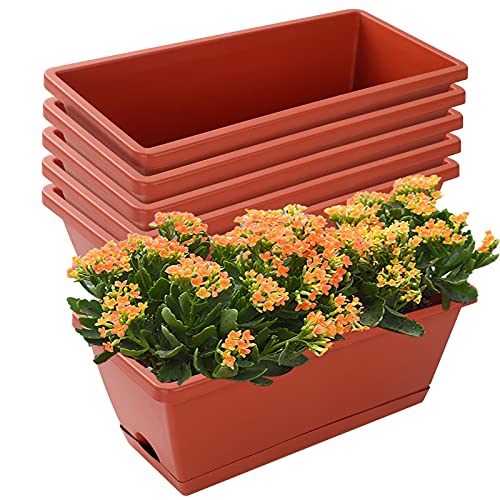
Weather-resistant, lightweight, and easy to clean. Modern resin can mimic wood or stone convincingly. Look for UV-stabilized plastic to prevent brittleness over time.
Galvanized Steel
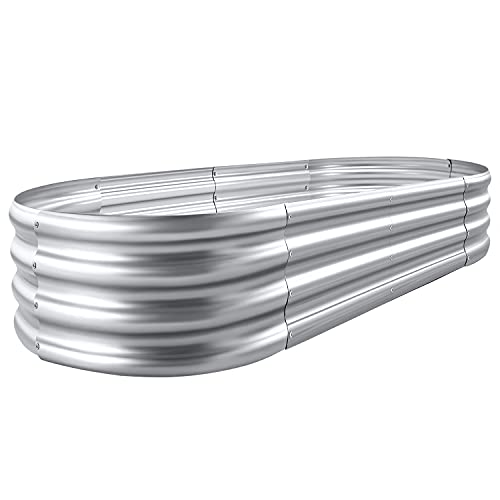
Heavy-duty and rust-resistant when properly coated. Excellent for long-term vegetable beds. Metal can heat up in strong sun, so consider lining or placement in partial shade.
Cedar & Rot-Resistant Wood
Naturally resistant to moisture and pests, with a classic look that ages gracefully. Heavier than plastic and requires occasional inspection, but a reliable long-term choice.
Composite & HDPE
Engineered from recycled materials, resistant to rot, insects, and fading. Heavier and more rigid than basic plastic, and often the most durable option for permanent installations.
Powder-Coated Aluminum
Lightweight yet strong, with a premium finish that resists corrosion. A professional-grade choice for modern patios and rooftop gardens where weight matters.
Brick & Stone Masonry
Permanent, extremely durable, and visually substantial. Best suited to fixed installations. Requires proper drainage planning and is difficult to relocate once built.
Treated Pine
Solid build and widely available. Modern treated timber is safe for food crops when properly sealed. Needs periodic re-sealing to maintain longevity.
Tip: If your planter box will sit in full sun all day, lighter-colored materials stay cooler than dark metal or dark plastic. This matters for root health in hot climates.
Choosing the Right Size and Depth
Size is where many first-time buyers go wrong. A box that is too shallow dries out quickly and restricts root growth; one that is too deep becomes heavy and hard to move. Match depth to what you intend to grow.
| Depth Category | Best For | Notes |
|---|---|---|
| Shallow (starter tier) | Herbs, lettuce, salad greens | Light and easy to reposition; dries quickly, so monitor moisture. |
| Medium (balanced tier) | Bush beans, peppers, strawberries | A versatile all-round depth for most patio vegetable growing. |
| Deep (high-end tier) | Tomatoes, root vegetables, small shrubs | Heavier once filled; plan placement before adding soil. |
| Extra-deep (professional-grade) | Dwarf fruit trees, large perennials | Permanent installation; ensure strong drainage and stable footing. |
Width matters too. A box wider than roughly arm's length makes the center hard to reach without stepping into the bed. For most gardeners, a width that lets you reach the middle from either side is the practical sweet spot.
Drainage: The Most Overlooked Detail
Poor drainage is the single most common cause of planter box failure. Roots sitting in saturated soil suffocate and rot, and no amount of fertilizing will fix it. Before you buy, confirm how water exits the box.
- Drainage holes: Look for pre-drilled holes or knock-out points. If a box has none, you will need to drill them yourself.
- Raised feet: Small feet or a recessed base lift the box off the surface so water can escape freely.
- Drainage layer: A layer of gravel or coarse material at the base helps, though a well-aerated soil mix matters more.
- Saucers and trays: Useful on balconies to protect surfaces, but empty them regularly so roots do not sit in standing water.
If you are placing boxes on a deck or patio, also consider surface protection. A weather-resistant outdoor rug or a movable garden stool with wheels can help you manage drips and reposition heavy boxes without strain.
Placement and Layout Planning
Where a planter box sits determines how well your plants grow and how easily you can care for them. Sun exposure is the first consideration: most vegetables and flowering plants want several hours of direct light, while leafy greens and some herbs tolerate partial shade.
Access is the second consideration. Leave enough room to walk around the box, reach the far side, and set down tools. A narrow path between boxes quickly becomes frustrating once plants fill out. If your layout includes seating, a garden chair or a garden set placed nearby creates a pleasant spot to pause.
Finally, think about the visual composition. Grouping boxes of different heights creates depth, and pairing them with a garden fountain or a garden statue can turn a functional growing area into a design feature.
Layout tip: Sketch your space on paper before buying. Mark sun direction, doorways, and walking paths. This five-minute exercise prevents the most common regret — a box that blocks a path or sits in shade all afternoon.
Soil, Planting, and Ongoing Care
A planter box is only as good as what you put in it. Use a light, free-draining potting mix rather than heavy garden soil, which compacts in containers and drains poorly. Mix in compost for fertility and consider a slow-release organic fertilizer at planting time.
Watering needs vary with material, depth, and weather. Shallow boxes in full sun may need daily attention in summer, while deep boxes with moisture-retentive mix can go longer. A simple moisture meter takes the guesswork out of the decision.
Seasonal maintenance keeps boxes productive. Refresh the top layer of soil between crops, remove spent foliage promptly, and inspect wooden or metal boxes for wear at the start of each season. If you plan to grow over multiple years, rotating crops between boxes helps prevent soil-borne disease buildup.
For gardeners who also maintain ornamentals and lawns, the same principles of soil health and drainage apply across the yard. Our broader garden furniture and year-round outdoor furniture guides cover how to build a cohesive space around your growing area.
Matching Planter Boxes to Your Growing Goals
| Goal | Recommended Tier | Why It Fits |
|---|---|---|
| First-time patio gardener | Entry-level resin or fabric | Light, easy to move, and forgiving while you learn. |
| Year-round vegetable growing | Mid-tier galvanized steel or cedar | Durable, rot-resistant, and stable through seasons. |
| Rooftop or balcony garden | High-end aluminum or composite | Lightweight yet strong, with finishes that resist weather. |
| Permanent landscaping feature | Professional-grade masonry | Substantial, permanent, and visually integrated with the site. |
| Herb garden near the kitchen | Entry-level or mid-tier shallow boxes | Easy to reach, easy to harvest, and simple to refresh. |
Frequently Asked Questions
Do planter boxes need drainage holes?
Yes. Without drainage, excess water collects at the bottom and suffocates roots. If your chosen box has no holes, drill several in the base before filling it.
Can I use garden soil in a planter box?
It is better to use a potting mix blended for containers. Garden soil is heavier, compacts easily, and drains poorly in a confined box.
How deep should a planter box be for vegetables?
Leafy greens and herbs do well in shallow boxes. Peppers and bush beans prefer medium depth. Tomatoes and root vegetables benefit from deeper boxes.
Will metal planter boxes overheat in summer?
Dark metal can warm up in strong sun. Lighter finishes or partial shade during the hottest hours reduce the risk to roots.
How often should I replace the soil?
Refresh the top layer between crops and do a fuller soil replacement every few seasons, depending on what you grow and how heavily you feed.
Ready to Build Your Outdoor Growing Space?
Explore complementary garden furniture and layout ideas to complete your planter box setup.
Explore Garden Furniture