Garden Working Bench: The Complete Buying Guide
A dedicated garden working bench transforms how you pot, prune, and plant. Learn how to choose the right workstation for your outdoor space, from material and height to storage and layout.
START EXPLORINGWhy a garden working bench matters: Gardening is far more enjoyable when you have a proper surface at the right height. A well-chosen garden working bench reduces back strain, keeps tools organized, and protects your plants during repotting. This guide walks you through the features that separate a functional workstation from a frustrating one.
What Is a Garden Working Bench?
A garden working bench is a purpose-built outdoor workstation designed for tasks like potting plants, mixing soil, pruning, seed starting, and organizing hand tools. Unlike a decorative garden bench, which is meant for sitting, a working bench prioritizes a stable, height-appropriate surface and often includes storage compartments, hooks, and a backboard.
Many gardeners use a garden potting bench as the centerpiece of their planting routine. Others prefer a simpler garden working bench that doubles as a general outdoor table. The right choice depends on how much time you spend gardening and the range of tasks you perform.
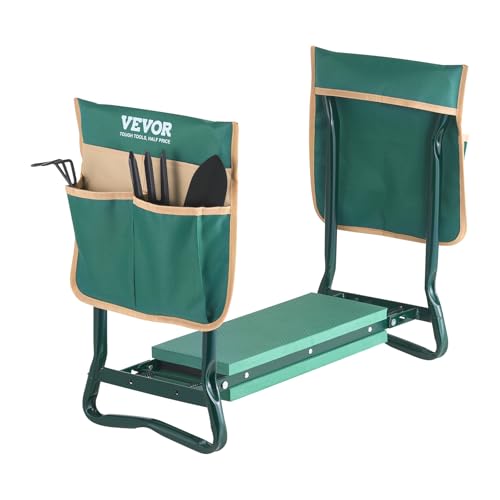
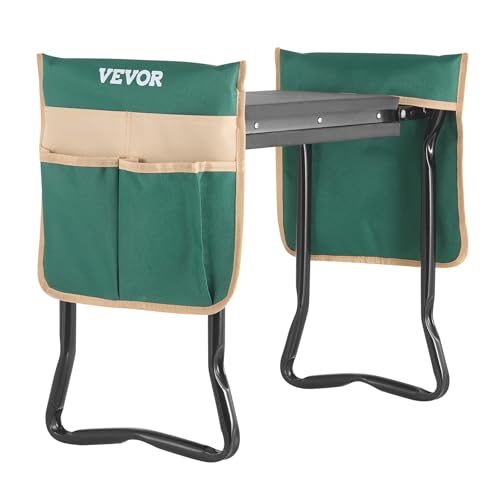
If you already have seating in your garden, a working bench complements pieces like a garden seat or a garden knee bench for lower-level work. Together, they form a complete gardening setup.
Key Buying Factors to Consider
Before you choose a garden working bench, evaluate these core factors. Each one influences how comfortable the bench is to use and how long it will last.
Material & Weather Resistance
Cedar, teak, powder-coated steel, and HDPE plastic each offer different balances of durability, maintenance, and appearance. Choose based on your climate and how much upkeep you prefer.
Height & Working Posture
Standing benches typically sit around counter height. Lower benches suit seated or knee-friendly work. Match the height to the tasks you do most often.
Storage & Organization
Shelves, drawers, hooks, and backboards keep tools, pots, and soil within reach. Good storage reduces trips to the shed and keeps your workspace tidy.
Surface Area & Layout
A wider bench gives you room to spread out pots and tools. Consider whether you need a single-level surface or a multi-tier design with a raised work area.
Mobility & Placement
Some benches are stationary, while others include wheels or casters. A mobile bench is helpful if you work in different parts of the garden.
Assembly & Maintenance
Check whether the bench arrives fully assembled or requires tools. Also review the recommended care routine for the material you choose.
Material Comparison: Which Build Lasts?
The material of your garden working bench determines how well it handles moisture, sunlight, and seasonal changes. The table below compares common options using neutral quality tiers rather than absolute figures.
| Material | Durability Tier | Maintenance Level | Best For |
|---|---|---|---|
| Cedar | Premium natural wood | Moderate — occasional sealing | Classic look, natural rot resistance |
| Teak | Luxury natural wood | Low — naturally oily and weather-resistant | Long-term investment, elegant finish |
| Powder-Coated Steel | High-end metal | Low — rust-resistant finish | Modern style, heavy-duty tasks |
| HDPE Recycled Plastic | Top-tier synthetic | Very low — weatherproof and easy to clean | Low-maintenance gardens, coastal climates |
| Softwood (Pine/Fir) | Entry-level wood | Higher — requires regular sealing | Starter tier, covered porches |
If you want a bench that can stay outdoors through every season, focus on cedar, teak, powder-coated steel, or HDPE. For related guidance, see our article on garden furniture that can be left outside all year.
Features That Make a Difference
Beyond material, the details of a garden working bench determine how pleasant it is to use day after day. Look for these features:
Backboard and Hooks
A backboard with hooks or peg holes lets you hang trowels, snips, and gloves within arm's reach. This is one of the most useful upgrades over a plain table surface.
Lower Shelf or Storage Cabinet
A lower shelf holds bags of soil, empty pots, and watering cans. Closed cabinets protect supplies from rain and pests, while open shelves offer quicker access.
Removable or Drop-Leaf Surface
Some benches include a drop-leaf extension or removable tray. This is helpful in smaller gardens where space is tight but occasionally you need extra room to spread out.
Integrated Sink or Basin
A built-in basin simplifies washing roots and cleaning tools. Not every garden has a nearby water source, so an integrated basin can be a significant convenience.
Wheels or Casters
Mobility is valuable if you like to work near different beds. Locking casters keep the bench stable during use while allowing easy repositioning.
For gardeners who prefer to work at ground level, a garden knee bench or a gardening seat with wheels can complement a standing working bench.
Choosing the Right Size and Placement
A garden working bench needs enough clear space around it to move comfortably. As a rule of thumb, allow at least two feet of clearance on the working side so you can stand or sit without bumping into planters or walls.
Consider the path you take when carrying pots and soil. Placing the bench near a shed, water source, or compost area reduces the distance you carry heavy items. In smaller gardens, a compact bench or a foldable design helps you make the most of limited room.
If you are furnishing a patio or deck alongside your gardening area, explore our broader garden furniture collection and garden set options to create a cohesive outdoor space.
Matching the Bench to Your Gardening Style
Different gardeners need different benches. Use these tier-based recommendations to narrow your shortlist.
Starter Tier — Casual Planters
If you garden occasionally and mainly repot a few houseplants or seasonal flowers, an entry-level softwood bench or a simple metal table may be sufficient. Look for a stable top and at least one lower shelf. A cover will extend its life if it stays outdoors.
Balanced Tier — Regular Gardeners
For weekly gardening, a mid-range cedar or powder-coated steel bench with a backboard and hooks is a solid choice. These models typically offer better hardware and smoother assembly than starter-tier options. The added organization makes repetitive tasks faster.
Top-Tier — Serious Growers
If you start seeds, prune regularly, and maintain multiple beds, a premium bench with an integrated basin, closed storage, and a wide work surface is worthwhile. Teak and high-grade HDPE models in this tier are built to handle daily use and harsh weather.
Pair your bench with a garden stool or garden stool with wheels if you prefer to sit while working. A garden table nearby can serve as a secondary surface for finished pots.
Care and Maintenance Tips
Regular care keeps your garden working bench functional and attractive. Follow these general guidelines:
- Wood benches: Clean with mild soap and water, then apply a wood sealant once a year. Sand minor rough spots before resealing.
- Metal benches: Wipe down with a damp cloth and inspect for scratches in the coating. Touch up any exposed areas to prevent rust.
- Plastic/HDPE benches: Wash with soap and water. These surfaces resist staining but benefit from occasional cleaning to remove soil buildup.
- Winter care: If your bench stays outside, clear snow and debris from the surface and check fasteners for tightness after storms.
For more detailed seasonal guidance, see our weatherproofing guide and outdoor care resources.
Complementing Your Garden Workspace
A working bench is only one part of a well-planned garden. Consider these additions to create a complete outdoor setup:
- A garden bench for seating gives you a place to rest between tasks.
- Gardening planter boxes keep plants organized near your work area.
- A gardening cart with seat helps transport tools and supplies.
- Garden fountains add a calming water feature to your workspace.
- A greenhouse table supports seed-starting and overwintering indoors.
For larger outdoor gatherings after a day in the garden, explore garden furniture conversation sets and garden chairs to round out your patio or lawn.
Frequently Asked Questions
What is a garden working bench used for?
A garden working bench is an outdoor workstation designed for potting plants, pruning, seed starting, and tool organization. It provides a dedicated height-appropriate surface that reduces back strain and keeps garden tasks organized.
What material is best for a garden working bench?
Cedar and teak are excellent natural choices for their rot resistance. For lower maintenance, powder-coated steel and HDPE recycled plastic offer superior weather resistance. The best material depends on your climate, maintenance preference, and desired aesthetic.
How tall should a garden working bench be?
Most garden working benches are around 34 to 36 inches tall for standing use, while seated or knee-friendly benches sit lower. The ideal height depends on your body and whether you prefer to stand or sit while working.
Can a garden working bench stay outside all year?
It depends on the material and construction. Cedar, teak, powder-coated steel, and HDPE plastic can typically remain outdoors year-round with proper care. Entry-level softwood benches benefit from a protective cover or seasonal storage in harsh climates.
Ready to Set Up Your Garden Workspace?
Browse our recommended garden working benches below and compare features to find the model that fits your gardening routine.
VIEW RECOMMENDED BENCHES