Good Wood for Outdoor Furniture: The Complete Guide
Choosing the right wood for your patio furniture is the single most important decision for longevity, comfort, and appearance. This guide breaks down the best wood types for outdoor use so you can invest with confidence.
Why Wood Type Matters: Outdoor furniture faces rain, sun, humidity, and temperature swings. The wood species you choose determines how well your furniture resists rot, insects, cracking, and fading. A well-chosen wood can last decades; a poor choice may deteriorate within a few seasons. Below, we compare the leading options across durability, maintenance, and style so you can match the right material to your climate and lifestyle.
Quick Comparison: Best Woods for Outdoor Furniture
| Wood Type | Market Tier | Weather Resistance | Maintenance Level | Best For |
|---|---|---|---|---|
| Teak | Luxury / Top-tier | Excellent | Low (can be left untreated) | Premium patio sets, long-term investment |
| Cedar | Premium / High-end tier | Very good | Moderate (annual sealing) | Natural look, rot resistance, lighter weight |
| Acacia | Mid-range | Good | Moderate (re-oil regularly) | Dining sets, budget-conscious durability |
| Eucalyptus | Mid-range | Good | Moderate | Stylish, dense hardwood alternative |
| Ipe (Brazilian Walnut) | Premium / Professional-grade | Exceptional | Low | Heavy-duty, high-traffic areas |
| Shorea | Entry-level / Essential tier | Fair to good | Higher (needs frequent sealing) | Starter outdoor furniture |
Teak: The Gold Standard
Teak has long been the benchmark for outdoor wood furniture. Its natural oils and dense grain structure make it highly resistant to moisture, rot, and insects. Teak furniture can be left outdoors year-round and will weather gracefully to a silver-gray patina if untreated. If you prefer the warm golden-brown look, simply apply teak oil annually. Because of its exceptional durability, teak sits in the luxury tier and represents a long-term investment that can serve a household for generations.
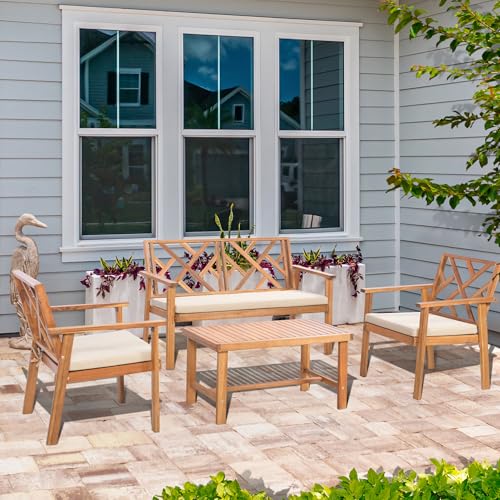
Teak pairs beautifully with garden furniture collections and works well in both modern and traditional settings. If you are furnishing a small space, consider a garden table and chairs for small garden in teak to maximize both style and longevity.
Cedar: Lightweight and Naturally Rot-Resistant
Western red cedar contains natural compounds that resist rot and decay, making it a reliable choice for outdoor furniture. It is significantly lighter than teak, which makes it easier to rearrange and move. Cedar has a pleasant aroma and a warm tone that fits naturally into garden settings. It does require annual sealing or oiling to maintain its color, but it remains a high-end tier choice for homeowners who want proven performance without the density of teak.
Cedar is a strong candidate for seating pieces such as a garden seat or a garden bench, where its lighter weight is a practical advantage.
Acacia: The Balanced Mid-Range Performer
Acacia is a dense hardwood that offers solid water resistance and natural insect repellency. It has become increasingly popular in mid-range outdoor furniture, particularly for dining sets and lounge pieces. Acacia does require regular maintenance—re-oiling every six to twelve months helps prevent drying and cracking. When cared for properly, acacia furniture performs admirably and offers good value for its tier.
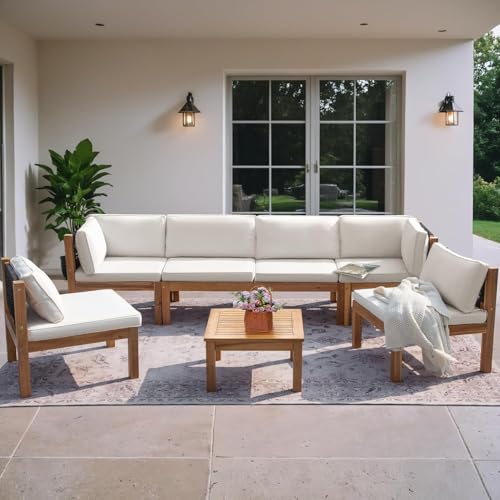
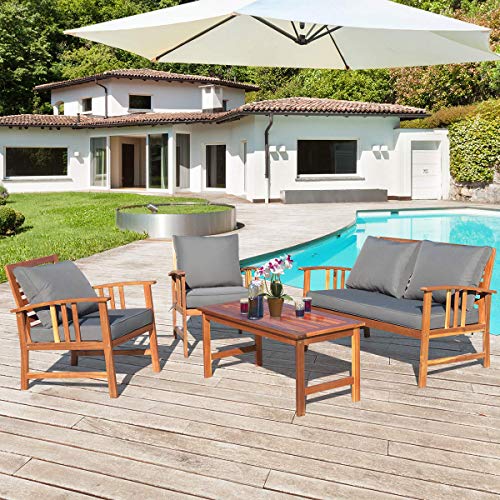
Many garden furniture conversation sets and garden sets are built from acacia because it balances durability with manageable maintenance.
Eucalyptus: Dense and Stylish
Eucalyptus is another hardwood worth considering. It is dense, resistant to moisture, and often finished with a protective oil that enhances its natural grain. It performs similarly to acacia in outdoor conditions and responds well to annual maintenance. Eucalyptus is a practical mid-range option for those who want a hardwood look with reliable outdoor performance.
Eucalyptus pieces are often found in compact garden dining sets and individual seating such as garden chairs.
Ipe: Professional-Grade Durability
Ipe, sometimes called Brazilian walnut, is one of the hardest and most durable woods available for outdoor use. It is naturally resistant to rot, insects, and moisture, and it requires minimal maintenance. Ipe sits in the professional-grade tier and is often used in commercial settings or high-traffic residential areas. Its density means it is heavy, so assembly and rearrangement require more effort, but the payoff is exceptional longevity.
Shorea: The Entry-Level Option
Shorea is a hardwood commonly used in entry-level outdoor furniture. It offers fair weather resistance but requires more frequent sealing compared to premium woods. Shorea is a reasonable starter-tier choice for those furnishing a first patio or a seasonal setup. With diligent maintenance, it can serve well for several years.
What to Look For When Buying Wood Outdoor Furniture
1. Check the Wood Species
Always confirm the exact species. "Hardwood" is a broad term that can include lower-durability options. Teak, cedar, acacia, eucalyptus, and ipe are specific species with known performance characteristics.
2. Inspect the Joinery
Mortise-and-tenon joints, dowels, and stainless steel hardware indicate quality construction. Visible screws and staples are signs of lower-tier assembly.
3. Consider Your Climate
Humid or rainy climates demand rot-resistant woods like teak or cedar. Dry, sunny climates may allow acacia or eucalyptus to perform well with regular oiling.
4. Plan for Maintenance
All wood furniture requires some care. Decide whether you prefer a low-maintenance option like teak or are comfortable with annual sealing routines for cedar or acacia.
5. Verify Sustainability
Look for FSC-certified wood or brands that source responsibly. Sustainable sourcing ensures your furniture choice supports healthy forests.
How to Care for Wood Outdoor Furniture
Regardless of species, proper care extends the life of your furniture. Clean spills promptly, avoid harsh chemical cleaners, and inspect for cracks or loose joints seasonally. For woods that require sealing, apply a dedicated outdoor wood oil or sealant according to the manufacturer's recommendations. During harsh winters, consider using furniture covers or storing pieces in a shed or garage.
If you are comparing materials, our guide on garden furniture that can be left outside all year provides additional context on weather resistance across different materials.
Matching Wood Type to Furniture Style
Teak and ipe suit modern and minimalist designs because of their clean grain and density. Cedar and acacia work well in rustic and traditional settings. Eucalyptus offers a versatile middle ground. When selecting a garden table or a garden lounger, consider how the wood's natural color and grain will complement your existing outdoor decor.
For those furnishing a dining area, a garden table and 6 chairs in acacia or eucalyptus offers a practical balance of durability and style.
Common Mistakes to Avoid
- Assuming all hardwoods are equal: Species matters more than the broad category. Research the specific wood before purchasing.
- Skipping maintenance: Even teak benefits from occasional cleaning. Neglecting care shortens the lifespan of any wood.
- Ignoring hardware quality: Stainless steel or galvanized hardware prevents rust stains and structural failure.
- Placing furniture on uneven ground: This stresses joints and accelerates wear. Use level surfaces or adjustable feet.
Frequently Asked Questions
What is the best wood for outdoor furniture?
Teak is widely considered the best due to its natural oils, dense grain, and exceptional weather resistance. Cedar and acacia are also excellent choices at different market tiers.
Is acacia wood good for outdoor furniture?
Yes, acacia is a solid choice. It is dense, water-resistant, and naturally repels insects. It requires more maintenance than teak but performs well when properly sealed.
How often should outdoor wood furniture be treated?
Most outdoor wood furniture should be cleaned and sealed annually. Teak can be left untreated, while cedar, acacia, and eucalyptus benefit from re-oiling every 6 to 12 months.
Can outdoor wood furniture stay outside all year?
Teak, cedar, and acacia can remain outdoors year-round with proper care. In harsh winter climates, furniture covers or sheltered storage extend lifespan significantly.
Final Thoughts
Choosing good wood for outdoor furniture comes down to matching species performance to your climate, maintenance preferences, and design goals. Teak remains the gold standard for low-maintenance longevity. Cedar offers lighter weight and natural rot resistance. Acacia and eucalyptus provide balanced mid-range performance. Ipe delivers professional-grade toughness, while shorea serves as an entry-level starting point. Whichever you choose, proper care and quality construction will ensure your outdoor furniture serves you well for years.