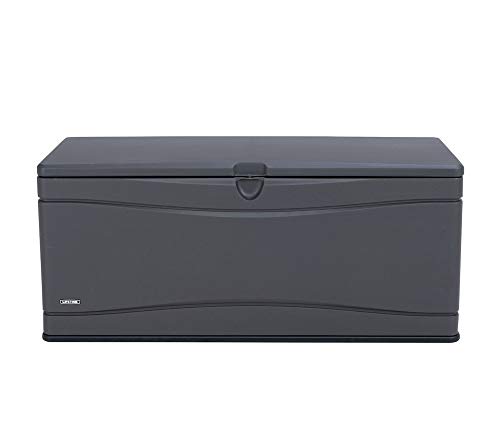
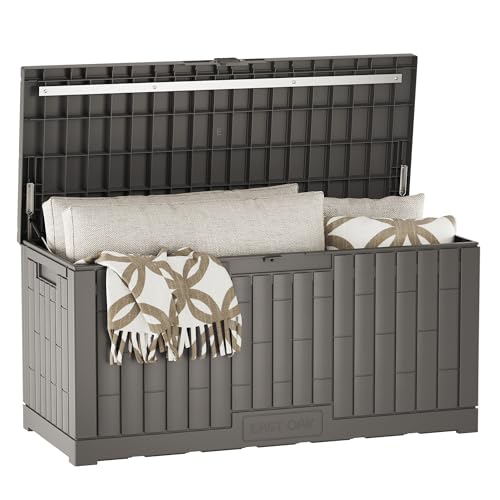
Heavy Duty Waterproof Outdoor Storage Box: The Complete Buying Guide
Protect cushions, tools, grill accessories, and seasonal gear from rain, sun, and pests. This guide explains construction standards, sealing systems, sizing, and tier-by-tier differences so you can choose the right waterproof deck box with confidence.
Why this guide matters: A storage box is one of the few outdoor purchases that touches nearly every other item on your patio. If it leaks, everything inside suffers. If it is too small, you end up with clutter on the deck. If it is too flimsy, the lid warps within a season. This article walks through the exact features that separate a genuine heavy duty waterproof outdoor storage box from a decorative bench that merely looks the part.
What Makes an Outdoor Storage Box Heavy Duty?
The phrase "heavy duty" is used loosely in product listings, so it helps to define it by measurable construction traits rather than marketing language. A genuinely heavy duty box shares several characteristics that lightweight alternatives lack.
Reinforced Wall Construction
Double-wall resin panels or formed steel bodies resist flexing when the lid is loaded or when the box is moved. Single-wall entry-level boxes tend to bow at the center of long panels, which gradually breaks the lid seal and lets water in. Reinforced corners and molded ribs are the visual cues to look for.
Load-Bearing Lid
Many heavy duty boxes are rated to double as seating. A lid that supports adult body weight requires internal cross-bracing or a thick molded profile. This is one of the clearest dividing lines between tiers: an essential tier box may hold 150 pounds, while a top-tier model is engineered for substantially more.
Corrosion-Resistant Hardware
Hinges, latches, and lid struts are the first components to fail in coastal or humid climates. Stainless steel or powder-coated hardware extends service life considerably. On resin boxes, look for molded-in hinge pins rather than surface-mounted metal parts.
UV-Stabilized Materials
Resin boxes formulated with UV inhibitors resist chalking and color fade. Powder-coated metal boxes resist rust bloom at seams. Either material works well when the finish is specified for outdoor exposure rather than indoor use.
How Waterproof Outdoor Storage Boxes Actually Keep Water Out
Waterproofing is a system, not a single feature. Understanding the mechanism helps you evaluate claims on a product page and avoid boxes that only resist light splashes.
Sealed Lid Channels
The most effective designs use an overlapping lid lip that channels rainwater outward and away from the interior opening. Premium models add a rubber or foam gasket along the mating surface. A gasket alone without a channel is less reliable in wind-driven rain.
Raised Interior Floors
Condensation forms inside any sealed box when temperatures swing between day and night. A raised internal floor keeps stored items above any moisture that collects at the bottom. Some mid-range and high-end tier boxes include this feature; entry-level models usually do not.
Drainage and Ventilation
Fully sealed boxes can trap humid air. Better designs incorporate subtle vent paths or a breathable liner strategy. If you store textiles like cushions, consider adding a moisture absorber packet regardless of box quality.
Latch Tension
Loose latches allow the lid to lift slightly in gusty conditions, breaking the seal. Positive-locking latches with adjustable tension hold the lid firmly against the gasket. Lockable hasps often serve double duty here because the padlock forces the lid closed.
Choosing the Right Size for Your Patio Gear
Capacity is usually listed in gallons, but interior dimensions matter more than the headline number. A box with a tall profile but narrow footprint may not fit stacked cushions, while a long low bench may swallow them easily.
- Small boxes (under 50 gallons): Best for grill tools, small garden supplies, pool accessories, and children's toys. Often doubles as a side table or bench near a seating area.
- Medium boxes (50–100 gallons): The practical sweet spot for most households. Fits folded lounge cushions, a few throw pillows, and small tools. Many models in this range are rated as seating.
- Large boxes (100–150 gallons): Suitable for full dining set cushions, umbrellas, and seasonal decor. Verify that the lid opens without hitting a wall or railing.
- Extra-large boxes (150+ gallons): Often used as deck storage benches or for storing bulky items like patio heater components. These are heavy even when empty, so plan placement before delivery.
Measure twice: first the folded stack of cushions you intend to store, then the available footprint on your deck or patio. Leave clearance for the lid to open fully and for walking space around the box. If your outdoor area is compact, browse compact layouts and space-saving furniture ideas in our small patio design guide for placement inspiration.
Tip: Interior height is the most commonly overlooked dimension. A box that is wide and long but shallow will not accommodate thick seat cushions standing upright.
Resin vs. Metal vs. Wood: Material Comparison
Each material brings distinct strengths. The right choice depends on climate, aesthetic preference, and how much weight the box must carry.
Resin and Plastic
The most popular category for waterproof storage. High-density polyethylene (HDPE) resists moisture completely, never rusts, and is easy to clean. Quality varies widely: thick double-wall resin with UV inhibitors lasts many seasons, while thin single-wall versions crack in cold weather. If you appreciate low-maintenance materials across your outdoor setup, our guide to HDPE outdoor furniture explains how the same material performs in seating.
Metal (Steel and Aluminum)
Powder-coated steel offers a clean modern look and strong load ratings. Aluminum resists rust better in coastal environments but dents more easily. Metal boxes tend to heat up in direct sun, which can affect stored items; choose a shaded placement when possible. Pair a metal box with other durable pieces from our heavy duty patio furniture collection for a cohesive look.
Wood and Composite
Wooden storage benches add warmth and double as seating, but require more maintenance to stay waterproof. Composite and recycled plastic lumber bridge the gap: they look like wood but resist moisture like resin. Our overview of garden furniture that can be left outside all year covers which wood species and finishes hold up best.
Tier Comparison: What You Get at Each Level
The table below uses universal quality tiers instead of numeric figures. Use it to understand relative positioning, then confirm specific specifications on each product page.
| Tier | Typical Construction | Sealing System | Best For |
|---|---|---|---|
| Entry-Level | Single-wall resin, basic molded hinges | Overlapping lid lip, no gasket | Light tools, toys, occasional use in sheltered spots |
| Mid-Range | Double-wall resin or powder-coated steel, reinforced corners | Lid channel plus foam gasket, positive latch | Cushion storage, year-round outdoor exposure, seating use |
| Premium | Thick double-wall HDPE or heavy-gauge steel, stainless hardware | Sealed gasket, raised interior floor, lockable hasp | High-value gear, coastal climates, heavy seating loads |
| Commercial-Grade | Reinforced steel or industrial resin, welded seams | Multi-point latching, full perimeter gasket | Shared community spaces, rental properties, high-traffic decks |
In general, mid-range models offer the strongest balance for residential use. The jump from entry-level to mid-range typically delivers better sealing and hardware rather than more features.
Placement, Drainage, and Long-Term Care
Even a well-built box benefits from sensible placement. Set it on a level, well-drained surface such as concrete, composite decking, or patio pavers. Avoid low spots where puddles form after rain. If the box sits directly on soil or mulch, moisture wicks into the base; a small gravel pad or rubber feet solve this.
Seasonal Maintenance
- Wipe the lid gasket with a damp cloth each season to remove grit that compromises the seal.
- Check latches and hinges for loosening; tighten or replace hardware as needed.
- Empty and air-dry the interior before storing textiles at the end of summer.
- In snowy regions, clear heavy accumulation from the lid to protect the hinge geometry.
If you keep a full outdoor setup, protecting adjacent furniture matters too. Our guide to heavy duty waterproof patio furniture covers explains how covers complement a storage strategy. For boxes that will remain outdoors through every season, the principles in our weatherproofing guide apply equally to storage furniture.
Security Features Worth Having
If you store tools, grill accessories, or electronics, a lockable hasp matters. Look for a molded or welded hasp that accepts a standard padlock, ideally positioned so the lock cannot be twisted off with a wrench. A recessed hasp offers more resistance than a surface-mounted loop.
Keep in mind that a resin box provides deterrence rather than true security. For high-value items, pair the box with property marking or a small lockable metal cabinet inside a shed. If your priority is protecting outdoor seating from wind and rain rather than theft, our article on heavy outdoor furniture that won't blow away offers complementary advice on anchoring.
Buying Checklist: What to Verify Before You Decide
- Interior dimensions fit your folded cushions or largest stored item
- Double-wall or reinforced construction with molded corner ribs
- Overlapping lid channel plus gasket for wind-driven rain resistance
- Positive-locking latches or a lockable hasp
- UV-stabilized resin or powder-coated metal finish
- Stainless steel or molded-in hinges
- Seating load rating if the box will double as a bench
- Raised interior floor to separate contents from condensation
- Clearance for the lid to open fully at the intended placement
Ready to Compare Models?
Our recommended selection below focuses on heavy duty waterproof outdoor storage boxes with reinforced construction, sealing gaskets, and practical sizing for patios and decks. Use the checklist above to evaluate each option against your specific storage needs.
View Recommended OptionsFrequently Asked Questions
What makes an outdoor storage box truly heavy duty?
Heavy duty outdoor storage boxes typically feature reinforced walls, double-wall resin or high-grade steel construction, corrosion-resistant hardware, and a lid rated to support body weight. These elements distinguish them from lightweight entry-level boxes that flex under load.
How does a waterproof outdoor storage box keep contents dry?
A waterproof box relies on a sealed lid with gaskets or overlapping lip channels that channel rainwater away from the interior. Raised internal floors prevent condensation pooling, while tight-fitting closures block wind-driven rain.
Can a waterproof deck box be left outside all year?
Most mid-range and premium waterproof deck boxes are designed for year-round outdoor exposure when they carry UV-stabilized resin or powder-coated metal finishes. Proper placement on a level surface and periodic inspection of seals extends service life through winter.
What size outdoor storage box fits patio cushions?
Cushion storage generally requires a box at least 60 gallons in capacity with an interior depth of 20 inches or more. Measure the folded thickness of your cushions and confirm internal dimensions rather than external footprint before choosing.
Are lockable outdoor storage boxes worth considering?
Lockable boxes add security for high-value items like tools and grill accessories. Look for models with a molded hasp that accepts a padlock, alongside reinforced latch points that resist prying.