
Yard Swings: The Complete Buying Guide
Everything you need to choose a porch swing, hanging chair, canopy swing, or freestanding garden swing — materials, safety, placement, and care.
EXPLORE SWING TYPESWhy yard swings deserve careful planning: A yard swing is one of the few outdoor purchases that becomes a daily ritual — morning coffee, an afternoon read, an evening conversation. But swings are also load-bearing structures, exposed to weather and gravity every single day. Getting the frame, hanging hardware, and material right matters far more than the color of the cushions. This guide walks you through every decision so your swing remains safe, comfortable, and beautiful for years.
Yard Swing Types Explained
The term "yard swing" covers several distinct product families. Each has different structural requirements, installation methods, and best-use scenarios. Understanding the differences before you shop prevents the most common mistake: buying a swing that doesn't fit the space or the installation point you have available.
Hanging Porch Swings
A porch swing is a bench-style seat suspended by chains or ropes from a ceiling, beam, or dedicated bracket. It offers the classic gliding motion and typically seats two to three people. The critical requirement is a structural attachment point rated for the combined weight of the swing, its occupants, and dynamic motion. If you don't have a suitable beam, a freestanding frame solves the problem. For a broader view of complementary outdoor seating, explore our yard furniture collection guide.
Freestanding Canopy Swings
These combine a swing bench with an integrated A-frame stand and a fabric canopy overhead. They require no structural attachment and can be repositioned around the yard. The canopy provides shade and light rain protection, but canopy fabrics degrade over time under UV exposure — which is why replacement canopy availability should factor into your choice. If you already own one, a replacement 3-person swing replacement canopy can extend the life of the frame considerably.
Hanging Swing Chairs
Single-person hanging chairs — including macramé and egg-style designs — are popular for reading nooks, balconies, and small patios. Many come with their own stand. A hammock chair with a 300 lb capacity stand is a practical entry point for smaller spaces, while a macramé hammock chair suits a boho or coastal aesthetic. For a more enclosed, cocoon-like feel, a room chair swing or hanging chair adds a focal point to a garden corner.
Garden Bench & Glider Swings
Gliders move on a track rather than hanging, offering a gentler, more controlled motion. They suit households with young children or older adults who prefer a stable, grounded feel. These are typically part of a broader porch furniture set arrangement and pair well with a side table for drinks.
Materials & Durability
Swing materials determine weight, maintenance rhythm, and how the piece ages. Outdoor swings face sun, rain, humidity, and constant mechanical stress at the joints. There is no universally "best" material — only the best match for your climate and how much maintenance you're willing to do.
| Material | Strengths | Watch-Outs | Best For |
|---|---|---|---|
| Wood (cedar, teak, pine) | Warm aesthetic, repairable, classic porch look | Requires periodic sealing; untreated pine degrades quickly outdoors | Covered porches, traditional homes |
| Powder-coated steel | Heavy-duty strength, stable frames, strong load ratings | Coating chips can lead to rust if left untreated | Freestanding stands, high-use family swings |
| Aluminum | Lightweight, rust-resistant, easy to move | Lighter frames need careful anchoring in windy areas | Portable swings, balcony use |
| Resin / HDPE | Weather-proof, low maintenance, no painting | Heavier than aluminum; less traditional look | Humid climates, low-maintenance households |
| Wicker & rattan (natural or synthetic) | Comfortable, breathable, strong visual texture | Natural rattan needs shelter; synthetic lasts longer outdoors | Swing chairs, decorative hanging seats |
| Fabric canopy & cushions | Comfort and shade | UV fading; must be solution-dyed or treated for outdoor use | Canopy swings, seat cushions |
Matching Material to Climate
- Coastal or humid climates: Prioritize aluminum, powder-coated steel, resin, or synthetic wicker. Salt air and moisture accelerate corrosion on untreated metal and rot in untreated wood.
- Hot, sunny climates: Look for UV-stabilized canopy fabrics and fade-resistant finishes. Shade coverage from a canopy also reduces surface heat on metal frames.
- Cold, snowy climates: Metal frames handle freeze-thaw cycles well, but cushions and canopies should be removed and stored. Plan for winter storage from the moment you buy.
- Rainy regions: Drainage matters — seats that pool water will degrade cushions and grow mildew. Slightly slatted or mesh seat designs help.
Frames, Stands & Hanging Hardware
The frame and hardware are the safety-critical components of any yard swing. This is where entry-level and premium tiers diverge most sharply — not in appearance, but in steel gauge, weld quality, and load ratings.
Hanging Hardware
Chains, ropes, and spring assemblies must be rated well above the swing's stated capacity to account for dynamic loads — the momentary forces created when someone sits down or swings. Look for:
- Zinc-plated or stainless steel chains rather than painted chains that hide corrosion.
- Rated spring assemblies that absorb motion and reduce stress on the attachment point.
- Locking carabiners or rated S-hooks instead of open hooks that can work loose.
- Reinforced attachment plates at the swing seat, not just thin eye bolts.
Freestanding Stands
An A-frame or C-frame stand should be evaluated on three points: base spread (wider is more stable), tube diameter and wall thickness, and the presence of ground-anchoring points. Commercial-grade stands often include pre-drilled base plates for stakes. On hard surfaces like decks or patios, weighted base plates or sandbag anchors compensate for the inability to stake into the ground.
Ceiling & Beam Mounts
If you're hanging a swing from an existing structure, use a mount designed for the purpose — a heavy-duty ceiling bracket bolted through the beam, not a hook screwed into the underside. The beam must be structurally sound and rated for the load. When in doubt, consult a qualified contractor. Our measurement guide helps you verify clearance and swing arc before installation.
Size & Weight Capacity
Two numbers determine whether a swing fits your life: the physical footprint and the rated weight capacity. Measure both before you shop.
Footprint & Clearance
- Seat width: Two-person swings typically span 4–5 feet; three-person swings 5–6 feet. Add frame width for freestanding models — often 2–3 feet wider than the seat.
- Swing arc: A hanging swing needs clearance in front of and behind its resting position. Plan for at least 3–4 feet of clear space in the swing direction.
- Headroom: Hanging swings need vertical clearance for the chains and the swing's motion. Canopy swings add height for the frame arch.
Weight Capacity Tiers
Weight ratings are the clearest signal of build quality. Use these tiers when comparing models:
- Entry-level tier: Typically rated 300–400 lbs. Suitable for one to two average adults in light residential use. Frames are lighter and may need anchoring.
- Mid-range: Typically 450–550 lbs. Reinforced welds, thicker tubing, and better hardware. A solid choice for family use.
- High-end tier: 600 lbs and above. Heavy-duty frames, commercial-grade hardware, and often a longer structural warranty. Appropriate for frequent use and larger households.
Always calculate the real load: occupants plus cushions, a cooler, or a pet. A swing rated just above the intended occupants leaves no safety margin for dynamic motion.
Placement & Anchoring
Where you place a yard swing affects both safety and how often you actually use it. The best placement is convenient, shaded for part of the day, and stable underfoot.
Ideal Locations
- Under a shade tree or pergola: Reduces UV exposure on fabric and keeps the seat cooler. If you're planning a structure, our pergola guide covers options.
- On a level patio or deck: Provides a firm, stable base for freestanding stands. Avoid slopes unless the stand is specifically designed and anchored for them.
- Facing a view or garden bed: The swing becomes a viewing point rather than just a seat. Pair with outdoor lighting so it's usable after sunset.
- Near the house but not blocking a path: Convenience drives use. A swing that requires a walk across the yard gets used less.
Anchoring Freestanding Swings
Freestanding doesn't mean immovable in wind. Most stands include pre-drilled feet for ground stakes; on grass or soil, stake them. On decks and patios, use weighted plates or sandbags at each foot. In exposed, windy locations, consider repositioning the swing to a sheltered spot or removing the canopy in storm season — canopies act like sails.
Hanging Swing Attachment
Bolts through a structural beam are the standard. Use washers on both sides, and check the fasteners after the first week of use and then seasonally. Spring assemblies reduce the shock load on the beam and make the ride smoother.
Comfort, Cushions & Canopies
Comfort is where a functional swing becomes a favorite spot. The seat geometry matters more than cushion thickness — a deep, slightly reclined seat with good lumbar support beats a flat bench with a thick pad.
Seat Geometry
- Seat depth: Deeper seats suit lounging; shallower seats suit upright conversation. Test the recline angle if possible.
- Armrests: Essential for getting in and out safely, especially for older users.
- Back height: Higher backs support the shoulders and head, which matters for long reading sessions.
Cushions
Outdoor swing cushions should use quick-dry foam and solution-dyed or acrylic outdoor fabric. Removable, washable covers extend lifespan significantly. If your swing uses standard-size cushions, replacements are easy to source — for example, a set of outdoor patio chair cushions can refresh a multi-seat arrangement. Match cushion color to your broader scheme; our summer decor ideas cover seasonal palettes.
Canopies
Canopy fabric should be UV-stabilized and water-repellent. Ventilation gaps at the top reduce heat buildup and wind lift. When a canopy fades or tears, replacement rather than replacement of the whole swing is the efficient path — check canopy availability before buying any canopy swing.
Care & Seasonal Storage
Yard swings live outdoors, so maintenance is a rhythm rather than a one-time task. A simple seasonal routine keeps frames sound and fabrics fresh.
Routine Maintenance
- Monthly during use season: Check chains, bolts, and welds. Tighten anything that has loosened. Look for rust spots on painted metal and touch them up promptly.
- Wooden swings: Reapply sealant annually, and sand minor surface wear before resealing.
- Fabric: Brush off debris, spot-clean with mild soap, and allow to dry fully before use. Mildew on cushions should be treated promptly.
- Hardware: Lubricate chain links and spring assemblies lightly to reduce wear and squeaking.
Seasonal Storage
In cold or storm-prone seasons, remove cushions and canopies and store them dry. Metal frames can stay out if they're anchored and in good condition; wooden swings benefit from a covered position or a breathable cover. A large waterproof outdoor storage container is a practical home for cushions and canopy fabric between seasons. Our winter storage guide covers the full routine.
Safety Checklist
Before the first sit-down and at the start of every season, run through this list:
- Verify the load path. For hanging swings, confirm the beam, bracket, and fasteners are rated for the swing plus occupants plus dynamic load.
- Inspect hardware. Check chains, hooks, springs, and bolts for wear, corrosion, or loosening.
- Confirm frame stability. Freestanding stands should sit flat, with no rocking or flex at the joints.
- Anchor for wind. Stake or weight the stand, and remove canopies in high-wind forecasts.
- Clear the swing arc. No furniture, planters, or sharp objects within the swing path.
- Supervise children. Teach them to sit facing forward and never stand on the seat.
- Check surfaces. Slippery wet seats and hot metal in direct sun are both avoidable hazards.
If any component looks compromised, stop using the swing until it is repaired or replaced. Our broader outdoor safety tips cover related considerations for families and pets.
How to Choose: Tier Guide
Use this tier framework to match a swing to your intended use. The tiers reflect build quality and intended duty cycle — not decoration.
| Tier | Typical Characteristics | Best For |
|---|---|---|
| Starter tier | Lighter frames, basic hardware, fabric canopies, 300–400 lb ratings | Occasional use, renters, small balconies, first swing |
| Balanced tier (mid-range) | Reinforced welds, thicker tubing, rated hardware, 450–550 lb ratings | Family patios, regular seasonal use, mixed-age households |
| High-end tier | Heavy-duty frames, commercial-grade hardware, premium fabrics, 600 lb+ ratings | Frequent daily use, large households, exposed locations |
| Luxury tier | Premium hardwoods or architectural metalwork, tailored cushions, long structural warranties | Design-led outdoor spaces, long-term investment pieces |
Decision Sequence
- Choose the type — hanging porch swing, freestanding canopy swing, or swing chair — based on your available attachment point and space.
- Confirm capacity for the people who will actually use it, with margin.
- Match material to your climate and maintenance appetite.
- Check canopy and cushion replaceability so the swing stays serviceable.
- Plan anchoring before the first use, not after the first windy night.
If you're furnishing the wider space around the swing, our yard furniture guide and outdoor living section cover complementary seating and dining. For households with dogs, see our pet-friendly outdoor guide.
Frequently Asked Questions
What is the difference between a porch swing and a yard swing?
A porch swing is typically a hanging bench suspended from a porch ceiling or a sturdy beam. "Yard swing" is a broader term that often means a freestanding swing with its own frame or stand, placeable anywhere in the yard, garden, or patio. Canopy swings and swing chairs with stands are common yard swing formats.
What weight capacity should I look for in an outdoor swing?
Most standard yard swings are rated between 300 and 500 pounds. Heavy-duty and commercial-grade models reach 600 pounds or more. Choose a capacity comfortably above the combined weight of intended users plus cushions and accessories, and remember that dynamic motion adds momentary load.
How do I anchor a yard swing safely?
Freestanding stands should sit on level ground and be anchored with ground stakes on soil or weighted plates on decks and patios. Hanging swings require a structural beam or bracket rated for the load. Never hang a swing from a tree branch or railing without verifying its strength.
Can yard swing canopies be replaced?
Yes. Many canopy swings use replacement canopies sold separately. Before buying any canopy swing, confirm that a replacement canopy is available and that the attachment method is standard. A replaceable canopy extends the frame's service life considerably.
How much space do I need around a yard swing?
Plan for at least 3–4 feet of clear space in the swing direction for the arc, plus room to walk around the frame. Hanging swings also need vertical clearance for chains and motion. Measure both the seat width and the full frame width before committing.
Are wooden or metal yard swings better?
Neither is universally better. Wood offers a classic look and repairability but needs periodic sealing. Powder-coated steel offers heavy-duty strength and lower maintenance but requires touch-ups if the coating chips. Match the material to your climate and how much maintenance you want to do.
How do I stop a yard swing from squeaking?
Squeaking usually comes from chain links, spring assemblies, or pivot joints. Light lubrication on metal contact points, and tightening any loose bolts, resolves most cases. For wooden swings, check that joints haven't loosened with seasonal movement.
Recommended Yard Swings & Outdoor Swing Products
⚠️ AFFILIATE DISCLOSURE: This website contains affiliate links. As an Amazon Associate, we earn from qualifying purchases. If you make a purchase through these links, we may receive a small commission at no additional cost to you. Read our full affiliate policy.

Aoxun Outdoor Porch Swing with Stand and Canopy, 3 Seats Outdoor Swings for Adults, Convertible 2 in 1 Swing Bed with Cup Holder, Patio Swings with Thicken Cushions for Garden, Yard & Balcony, Blue
Check price on Amazon
Grepatio Outdoor Porch Swing with Canopy and Stand, 3 Person Patio Swing for Adults, Convertible 2 in 1 Porch Bed Swing with Cup Holder, 3 Seat Swings with 2 Pillow Cushions for Garden, Yard (Grey)
Check price on Amazon
Tangkula 3 Person Porch Swing with Cushions & Canopy, Black) | Removable Cushion, Adjustable Canopy, Powder-Coated Steel Frame, for Patio, Backyard, Garden, Poolside, Outside
Check price on Amazon
48 Inch Tree Swing, Larger Saucer Flying Swing for Outdoor Backyard, Black | 900lbs Weight Capacity, with Adjustable Hanging Straps, Swing Sets for Backyard
Check price on Amazon
VINGLI 2026 Upgraded 5 FT Wooden Porch Swing, 880 LBS Heavy Duty, Brown | 2026 Upgraded Design; Heavy-Duty Wooden Swing; Supports 880 Lbs; Hanging Chains Included; Ideal For Garden, Patio & Yard
Check price on Amazon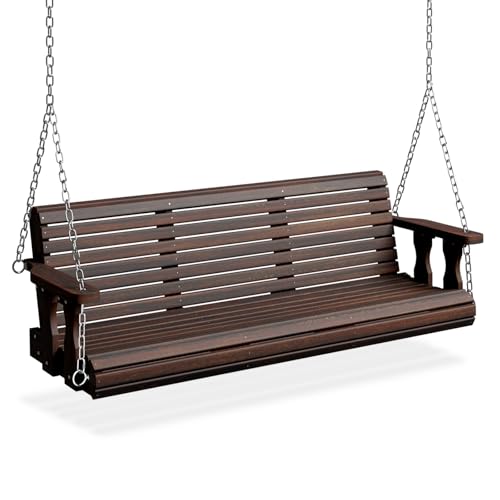
VINGLI 2026 Upgraded 5 FT Wooden Porch Swing, 880 LBS Heavy Duty, Rustic | 2026 Upgraded Design; Heavy-Duty Wooden Swing; Supports 880 Lbs; Hanging Chains Included; Ideal For Garden, Patio & Yard
Check price on Amazon
Lezbanz Porch Swing with LED Lights & Adjustable Canopy, 1000Lbs 2 in 1 Outdoor Metal Pergola Swing, 3-Seat Heavy Duty Patio Swing Bench with 4" Thick Cushion for Garden, Backyard (Gray)
Check price on Amazon