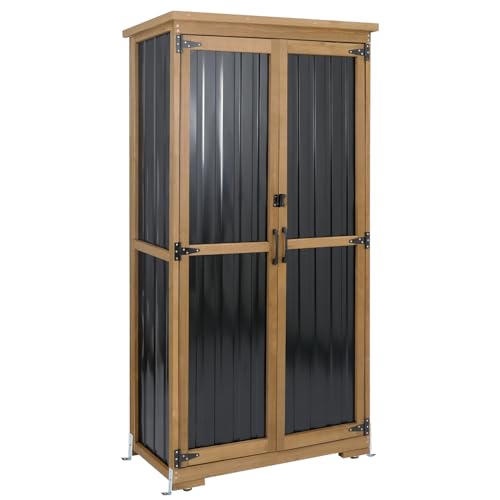
What Makes a Vertical Storage Cabinet Truly Waterproof?
Many cabinets marketed as "outdoor" only resist light splashes. A genuinely waterproof outdoor vertical storage cabinet is engineered to keep contents dry through driving rain, sprinkler overspray, and high-humidity summers. Before you commit, understand the three layers of protection that matter most.
1. The Sealing System
The difference between a dry cabinet and a damp one usually comes down to the door seal. Look for continuous gaskets — often EPDM rubber or silicone — that run along the full perimeter of the door frame. A proper compression seal creates a tight barrier when the door latches shut. Some high-end tier models add a second inner lip or a drip rail above the door to channel water away from the opening.
2. Raised Base and Drainage
Water pools on the ground during storms. A cabinet with a flat bottom sitting directly on concrete or pavers will eventually wick moisture upward. Choose a design with raised feet or a recessed plinth that lifts the cabinet body at least an inch off the surface. If the cabinet has a floor panel, check for drainage channels or weep holes that let any trapped condensation escape.
3. Material and Coating Quality
The cabinet shell must resist rust, rot, and UV degradation. The most common constructions are:
- Powder-coated galvanized steel — heavy-duty and rust-resistant when the coating is intact; ideal for high-rainfall regions.
- Resin and high-density polyethylene (HDPE) — never rusts, never rots, and handles UV exposure well; the go-to choice for coastal climates.
- Weather-treated solid wood or engineered wood — attractive and sturdy, but requires periodic resealing to maintain water resistance.
- Aluminum with a powder-coated finish — lightweight, rust-proof, and a strong performer in humid environments.
If you are comparing broader weatherproofing strategies for your whole patio setup, our guide to weatherproofing outdoor furniture and storage covers the topic in depth.
Vertical vs. Horizontal: Which Layout Fits Your Space?
Vertical cabinets are tall and narrow, typically standing between four and six feet high with a footprint under two feet deep. That profile suits walls, corners beside doors, and narrow gaps between a grill and a railing. Horizontal storage boxes, by contrast, spread wider and lower — better for long items like pool noodles or rolled cushions.
If your priority is cushion storage specifically, compare this format with a dedicated waterproof outdoor storage box for cushions to see which shape matches your cushion sizes. For a hybrid layout that blends shelving with a taller footprint, a waterproof outdoor storage cabinet with shelves gives you adjustable compartments inside a vertical frame.
Interior Layout: Shelves, Bins, and Access
What you store determines how the interior should be configured. A vertical cabinet with fixed shelves works well for stacked folded cushions and tool bins. Adjustable shelves let you reconfigure between seasons — tall shelves for folded umbrellas in summer, lower shelves for stacked planters in winter.
Features worth prioritizing
- Adjustable or removable shelves for flexible seasonal storage
- Full-length door hinges that stay aligned under load
- A locking latch or padlock loop for security and child safety
- Ventilation slots with insect mesh to reduce condensation without letting pests in
- Soft-close or magnetic door catches to prevent slamming in wind
Security is a common concern for patios facing streets or shared courtyards. If you want to lock away tools and expensive cushions, review the lock options in our guide to a waterproof outdoor storage box with a lock — the locking principles apply equally to vertical cabinets.
Size and Placement Planning
Measure twice before ordering. A vertical cabinet needs clearance above the door for the swing and a few inches behind it for airflow. On a balcony, check weight limits — a fully loaded resin cabinet can be surprisingly heavy. On a covered porch, the cabinet still needs a waterproof build because wind-driven rain reaches areas that a roof does not fully protect.
For narrow side yards or tight corners near a grill station, a slim vertical cabinet often outperforms a wide box. If you are weighing both formats, our comparison of waterproof outdoor storage solutions lays out the trade-offs across cabinet, box, and bench styles.
Material Comparison at a Glance
| Material | Tier | Best For | Maintenance |
|---|---|---|---|
| Resin / HDPE | Essential tier to mid-tier | Coastal and humid climates; low-maintenance owners | Rinse with a hose; no resealing needed |
| Powder-coated galvanized steel | Mid-tier to premium | High-rainfall regions; heavier stored items | Inspect coating annually; touch up chips |
| Powder-coated aluminum | Premium tier | Balconies and weight-sensitive decks | Wipe down; check hinges and seals |
| Weather-treated wood | Premium to luxury tier | Design-forward patios with covered overhangs | Reseal every one to two years |
Pairing Your Cabinet With Other Outdoor Storage
Most patios benefit from a mixed storage strategy. A vertical cabinet near the door handles frequently used items, while a larger waterproof outdoor storage box in a corner holds bulky gear. If your patio doubles as a seating area, a waterproof outdoor storage bench combines seating with hidden compartment space.
Cushions deserve special attention because trapped moisture causes mildew fast. Our guides to waterproof outdoor storage for patio cushions and cushion-specific storage setups explain how to keep foam dry and odor-free. If your cushions are due for replacement, browse waterproof outdoor seat cushions before finalizing your storage plan.
Frequently Asked Questions
Can a vertical cabinet survive winter outdoors?
Yes, if it is rated for freezing conditions. Resin and powder-coated metal cabinets handle snow and ice well. Wood cabinets should be resealed before winter, and any cabinet left in a freezing climate should have its contents checked for condensation after temperature swings.
Will a waterproof cabinet prevent mold on cushions?
A sealed cabinet dramatically reduces moisture exposure, but cushions should still be fully dry before storage. Adding a moisture absorber pack inside the cabinet and using its ventilation slots helps prevent trapped humidity from causing mildew.
How much weight can a vertical cabinet shelf hold?
It depends on the tier and construction. Entry-level resin shelves typically handle light loads like folded textiles, while mid-range and premium cabinets with reinforced shelving support heavier bins and tools. Always check the manufacturer's per-shelf rating.
Do I need to anchor the cabinet to the wall?
In windy or exposed locations, yes. Tall narrow cabinets have a higher center of gravity, and anchoring to a wall or railing prevents tipping during storms. Most models include anchor points; some premium tier units ship with hardware.