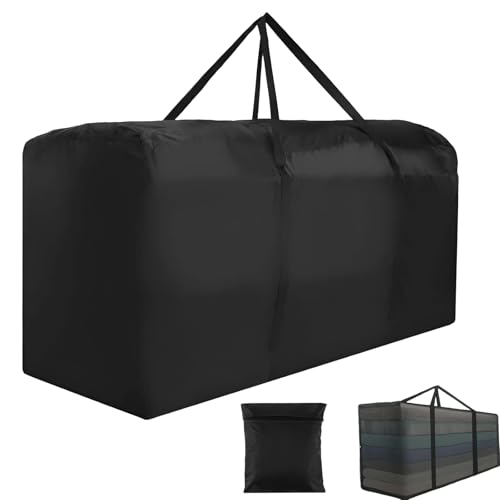
Waterproof Outdoor Storage for Patio Cushions
Keep seat and back cushions dry, clean, and ready to use. This guide explains the storage types, materials, sealing features, and sizing rules that protect patio cushions from rain, sun, and pests all season long.
EXPLORE RECOMMENDED OPTIONSWhy this matters: Patio cushions are one of the most moisture-sensitive parts of an outdoor setup. Damp foam, moldy fabric seams, and faded covers are expensive to replace. Choosing the right waterproof outdoor storage for patio cushions is the single most effective way to extend cushion life without hauling them indoors every evening.
Why Cushions Need Dedicated Waterproof Storage
Outdoor cushion fabrics are usually treated with water-repellent finishes, but that does not make them immune to prolonged exposure. Morning dew, sudden showers, and sprinkler overspray all push moisture into seams and foam cores. Once water enters the filling, cushions can take days to dry and may develop mildew before they ever feel dry again.
A proper waterproof outdoor storage solution solves three problems at once: it keeps rain off the fabric, it blocks UV exposure that fades dyes, and it keeps cushions off the ground where insects and rodents nest. For households that leave furniture out year-round, storage is less of a convenience and more of a maintenance requirement.
Storage Types Compared
There is no single best format. The right choice depends on how many cushions you own, how often you rotate them, and where the unit will sit. The comparison below focuses on practical differences rather than market positioning.
| Storage Type | Best For | Key Trade-Off | Typical Tier |
|---|---|---|---|
| Storage box for cushions | Seasonal storage of seat and back cushions for a dining or lounge set | Simple access, but limited internal organization | Essential to balanced tier |
| Storage bench | Patios that also need extra seating | Seating capacity reduces usable interior volume | Balanced to premium tier |
| Cabinet with shelves | Frequent cushion rotation plus accessory storage | Larger footprint and heavier build | Premium to high-end tier |
| Vertical storage cabinet | Small patios and balconies with tight floor space | Upright cushions are harder to slide in and out | Mid-tier to premium |
| Large 150-gallon box | Full outdoor sectional sets and oversized lounger cushions | Takes up significant deck space even when empty | High-end tier |
| Box with wheels | Decks where the unit must move for cleaning or seasonal rearrangement | Small casters can strain under heavy cushion loads | Balanced to premium tier |
If you are still deciding between formats, start by counting how many cushions you need to protect and measuring the largest single cushion. That single measurement usually narrows the choice to two or three realistic options. For a closer look at a specific size, the guide to a 150-gallon waterproof storage box explains what fits and what does not.
What Makes Outdoor Storage Truly Waterproof
Manufacturers use the word "waterproof" loosely. A box can be described as waterproof and still let water in through the lid seam during driving rain. The features below are the ones that actually matter in practice.
Sealed Lid and Gasket
A continuous rubber or foam gasket around the lid is the most important single feature. Without it, water sheets across the top and seeps through the gap. Look for a lid that overlaps the box rim rather than sitting flush on top.
Raised Base and Sloped Lid
Water pools on flat lids and wicks up from wet decks. A slightly domed or sloped lid sheds water, and a raised base keeps the floor of the box off standing moisture. Some models include small feet or a recessed bottom channel for drainage.
Ventilation Without Water Intrusion
Cushions stored slightly damp will trap humidity inside a fully sealed box. A small number of models add screened vents or louvered panels that allow air exchange while deflecting rain. If your box has no ventilation, plan to air cushions thoroughly before closing it, or add a moisture absorber.
Material and Finish
Resin and heavy-duty plastic resist water entirely and will not rust. Metal cabinets need a rust-proof finish and powder-coated hardware to survive seasons of rain. Wicker-style storage looks good on a patio but should be built on a waterproof liner, since woven exteriors alone are not watertight. UV-stabilized resin resists the yellowing and cracking that cheaper plastics develop after a summer in direct sun.
Sizing Rules for Cushion Storage
Undersizing a storage box is the most common mistake. Cushions compress slightly when stacked, but they still need clearance so the lid can close without forcing. Use these steps:
- Stack your cushions exactly as you plan to store them.
- Measure the width, depth, and total height of the stack.
- Add at least three to four inches of clearance on each horizontal side.
- Add two to three inches of vertical clearance so the lid does not press the top cushion.
- Check the interior dimensions, not the exterior footprint, before deciding.
As a rough guide, a four-seat dining set with standard seat and back cushions usually fits in a box in the mid-size range, while a large sectional or deep lounge cushions generally need a high-capacity unit. A waterproof storage box for cushions page covers several intermediate sizes for mixed sets.
Security, Mobility, and Everyday Use
If the storage unit sits in a shared courtyard, near a sidewalk, or on a condo balcony, a lockable latch is worth having. It deters casual tampering and keeps children and pets out. A waterproof storage box with lock should have the lock integrated into the lid or front latch, not bolted on as an afterthought, so the sealed lid still closes flush.
Wheels are convenient on smooth composite or wood decks, but they are less useful on gravel, grass, or uneven pavers. Also consider the weight of a full box before choosing casters; a large box filled with dense foam cushions can become difficult to push. For a fixed setup that doubles as furniture, a waterproof outdoor storage bench blends into the patio layout and provides a place to sit while removing cushions.
A Simple Seasonal Storage Routine
- Before storing: Brush off debris and let cushions air-dry in the shade, not direct sun, for several hours.
- Inside the box: Stack cushions loosely, avoid folding them sharply, and place the dampest side up if any residual moisture remains.
- Add a moisture absorber: A reusable desiccant pack or a small container of silica gel helps in humid climates.
- During the season: Open the box on dry, breezy days to release trapped humidity.
- Before winter: Clean the box interior, check the gasket for cracks, and store cushions fully dry.
This routine pairs well with a broader weatherproofing plan for the whole patio, including furniture covers and frame care. If your cushions are already showing wear, it may be worth comparing weather-resistant outdoor furniture cushions before investing in storage for damaged pieces.
Editorial note: No box is a substitute for drying cushions properly. Even the best-sealed storage will trap moisture if you close damp cushions inside. The sealing features protect against external water; they do not remove water already in the fabric.
Common Mistakes to Avoid
- Buying by exterior size: Interior dimensions are smaller than the outside footprint, especially on benches and cabinets.
- Ignoring the lid clearance: A hinged lid needs room to swing open; a wall or railing can block it.
- Storing cushions on a wet deck: Place the box on a dry, level surface or add a small riser.
- Skipping ventilation: Fully sealed boxes can build condensation in humid weather.
- Overloading wheels: Small casters are not designed for heavy, fully packed boxes.
Frequently Asked Questions
What is the best type of waterproof outdoor storage for patio cushions?
A dedicated waterproof storage box or weather-resistant storage cabinet is usually best. Boxes work well for seasonal storage of seat cushions, while cabinets with shelves suit households that rotate cushions frequently or store accessories alongside them. A storage bench is a good choice if you also want extra seating on the patio.
Do waterproof storage boxes keep cushions completely dry?
A well-sealed box with a gasketed lid and a slightly raised base keeps cushions dry in most rain conditions. However, condensation can still form if cushions are stored damp. Always let cushions air-dry fully before storing, and look for models with ventilation or desiccant-friendly interiors.
Should I choose a storage box with wheels or a fixed model?
Wheels make sense when the box sits on a smooth deck and needs to move for cleaning or seasonal rearrangement. Fixed boxes are more stable on uneven ground and are better if the unit stays in one place. Consider the weight of your cushions when full, since heavy loads can strain small casters.
Is a locking storage box necessary for patio cushions?
A lock is useful for deterring casual tampering and keeping children or pets out. It also helps in shared spaces like condos and townhomes. Look for a lockable latch that is integrated into the lid rather than a flimsy add-on, and check that the lock area stays rust-resistant.
How do I size a storage box for patio cushions?
Measure your cushions stacked as you plan to store them, then add a few inches of clearance on each side so the lid closes without compression. For a typical four-seat dining set, a box in the 100 to 150 gallon range is often sufficient. Measure your space first and account for lid clearance when opened.
Final Checklist Before You Choose
- Measure the largest cushion and the full stack.
- Confirm the interior dimensions, not just the exterior footprint.
- Check for a gasketed lid and a raised base.
- Decide whether you need ventilation, a lock, or wheels.
- Confirm the lid opening direction fits your patio layout.
- Match the material to your climate: resin for wet, metal with a rust-proof finish for windy, wood with a waterproof liner for a natural look.
With the right unit and a simple drying routine, waterproof outdoor storage for patio cushions becomes one of the lowest-effort, highest-return upgrades on the patio. The recommendations below are organized by storage type so you can compare options that match your measurements and layout.