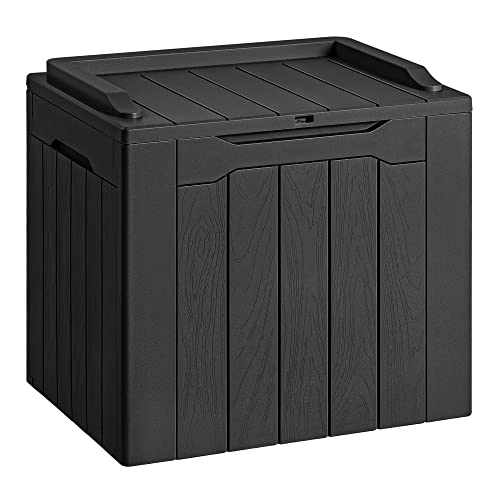
Waterproof Outdoor Storage: The Complete Buyer's Guide
Rain, humidity, and sun exposure destroy outdoor cushions, tools, and textiles faster than most homeowners expect. This guide explains how waterproof outdoor storage works, which formats suit which gear, and how to choose a unit you will be glad to own for years.
Explore Storage TypesWhy Waterproof Outdoor Storage Matters
Outdoor fabrics are engineered to resist moisture, but they are not designed to sit wet for weeks. A single season of trapped dampness can lead to mildew growth, faded dye, and collapsed foam in seat cushions. A properly sealed waterproof outdoor storage unit breaks that cycle by keeping rain out and allowing airflow when it matters.
The distinction between water-resistant and waterproof is the first thing to understand. Water-resistant covers slow penetration, while waterproof construction uses gasketed lids, sealed seams, and elevated floors to block water entirely. For cushion storage in rainy climates, only true waterproof design is reliable.
Choosing the Right Format for Your Gear
The format you choose should follow from what you plan to store and where the unit will live. A waterproof outdoor storage box is the most versatile entry point: it works on decks, patios, and balconies, and its low profile keeps sightlines clear. If you mainly store cushions, a dedicated waterproof outdoor storage box for cushions is designed with wider internal dimensions and vented bases that suit thick foam.
When you need organization rather than bulk capacity, a waterproof outdoor storage cabinet with shelves turns vertical space into structured storage for tools, pool supplies, and small accessories. For multifunctional spaces, a waterproof outdoor storage bench combines seating with hidden capacity — a smart choice for small patios where every square foot has to earn its place.
Compare the Main Storage Formats
| Format | Best For | Strengths | Trade-offs |
|---|---|---|---|
| Storage Box | Cushions, toys, loose gear | Simple access, wide capacity, works on any surface | Less internal organization |
| Storage Cabinet | Tools, chemicals, small items | Shelves, locked doors, vertical footprint | Smaller per-shelf capacity |
| Storage Bench | Small patios needing seating | Dual purpose, hides clutter discreetly | Limited depth for bulky cushions |
| Storage Container | Oversized items, long-term storage | Heavy-duty walls, large volume | Requires more floor space |
| Vertical Cabinet | Narrow spaces, tools, brooms | Tall footprint, shelf flexibility | Narrower door opening |
Key Features That Separate Tiers of Quality
Outdoor storage is a category where construction quality is easy to assess once you know what to look for. Use these descriptors to compare products on equal footing, regardless of where you shop:
Essential Tier
Resin or basic plastic construction with a snap-fit lid. Suitable for tools and toys in covered areas. Adequate for seasonal use but not designed for constant rain exposure.
Balanced Tier
Reinforced walls, an overlapping lid, and a partial gasket. A solid choice for most patios and a reasonable middle ground between protection and simplicity.
Top-Tier
Fully gasketed seals, UV-stabilized panels, elevated floors, and lockable hardware. Built for year-round outdoor placement and heavy-duty capacity.
If you need to secure valuables such as tools or pool equipment, prioritize a waterproof outdoor storage box with lock rather than adding a padlock to a unit without reinforced hardware. Mobility is another practical consideration: a waterproof outdoor storage box with wheels makes seasonal repositioning far easier, especially on large decks.
For high-volume cushion collections, a 150-gallon waterproof outdoor storage box provides enough internal space for several deep seat sets. For narrow balconies or garage-adjacent patios, a waterproof outdoor vertical storage cabinet makes better use of the available footprint than a wide box.
Materials: What Actually Survives the Outdoors
Resin and polypropylene are the most common materials because they resist rot, rust, and UV degradation. High-density polyethylene (HDPE) is the most durable plastic option and holds color well over time. Wood storage units look warmer, but only perform well when sealed and kept under cover; bare wood will warp and split in exposed positions.
Metal units require a rust-proof finish to survive. Powder-coated steel is acceptable for covered patios, while aluminum resists corrosion better in coastal climates. If you are comparing metal alternatives for the rest of your setup, our guide to waterproof patio furniture covers material behavior in detail.
For wicker-style units, confirm that the woven outer shell sits over a sealed plastic body. Aesthetic wicker alone does not provide waterproofing. If your storage sits beside wicker seating, matching covers help — see our notes on waterproof outdoor wicker furniture covers for complementary protection.
How to Protect Cushions Inside Storage
Even the best storage unit cannot compensate for wet cushions going in. Always allow cushions to air dry fully before storage, and store them on edge where possible to encourage airflow. In humid regions, add a rechargeable desiccant pack and refresh it monthly.
For a dedicated cushion setup, a waterproof outdoor storage for patio cushions unit with a vented base is preferable to a sealed chest with no airflow. Combining a ventilated base with a fully gasketed lid gives you both drainage and rain protection. Our companion guides on waterproof outdoor storage box for patio cushions and waterproof storage box for patio cushions compare internal layouts in more depth.
Placement and Site Preparation
Where you place the unit affects its performance as much as its construction. Set storage on a level, well-drained surface — pavers or a deck, not bare soil. Slight elevation with rubber feet or a gravel pad prevents standing water from wicking into the base.
Avoid positioning boxes directly beneath roof drip lines or gutter downspouts. Even a gasketed lid can be overwhelmed by concentrated runoff. If you are refreshing the surrounding area at the same time, our weatherproofing guide covers broader moisture management for decks and patios.
For larger installations or collections spanning multiple categories, a waterproof storage container or a set of waterproof storage containers outdoor rated for heavy-duty use can handle bulkier items that standard boxes cannot accommodate.
Storage for the Rest of Your Patio Setup
Storage is one part of a broader weatherproofing strategy. Furniture that stays out year-round benefits from covers and appropriate cushion choices. Our guides on waterproof replacement cushions for patio furniture and waterproof seat cushions for outdoor furniture explain which fabrics perform best when exposed.
If you are coordinating a full patio refresh, it is worth reviewing weather-resistant outdoor storage cabinet options alongside weatherproof outdoor storage cabinet models to understand the difference in sealing quality between tiers. For small-item organization, weatherproof storage bins work well inside a larger cabinet.
Frequently Asked Questions
Is waterproof outdoor storage worth it compared to a simple tarp?
A tarp traps condensation and can abrade fabric surfaces. A rigid waterproof unit with a gasketed lid provides consistent protection and doubles as storage furniture. For cushions left outside seasonally, the rigid unit is the more reliable long-term choice.
Can I leave a waterproof storage box outside all winter?
Top-tier units with UV-stabilized panels and fully sealed lids are designed for year-round exposure. Essential-tier units should be moved under cover during freezing months to prevent panel cracking and lid warping.
How much weight can a storage bench support?
Seating capacity varies widely by construction. Mid-range and top-tier benches are typically reinforced internally and rated for regular adult seating, while essential-tier benches are best treated as storage with occasional seating only.
Do I need a lock for outdoor storage?
A lock adds security and also helps compress the lid seal, improving waterproofing. If you store tools, chemicals, or pool equipment, choose a unit with reinforced lock hardware rather than drilling into thin plastic.
How do I stop mold from forming inside storage?
Store only fully dry items, use a desiccant pack in humid climates, and open the lid periodically on dry days to exchange air. A unit with a vented base is preferable for cushion storage in coastal or humid regions.
Final Checklist Before You Choose
- Confirm the lid overlaps the body with a rubber gasket, not just a snap fit.
- Match internal dimensions to your largest cushion before ordering.
- Check whether the base is elevated or vented for drainage and airflow.
- Decide whether lock hardware is needed for security.
- Measure the placement area and confirm clearance for lid opening.
- Verify UV stabilization if the unit will sit in direct sun.
- Consider wheels if you reposition storage seasonally.
With the right tier and format, waterproof outdoor storage becomes one of the least glamorous but most valuable purchases for any patio. It protects the furniture and cushions you have already invested in and keeps your outdoor space usable on short notice.