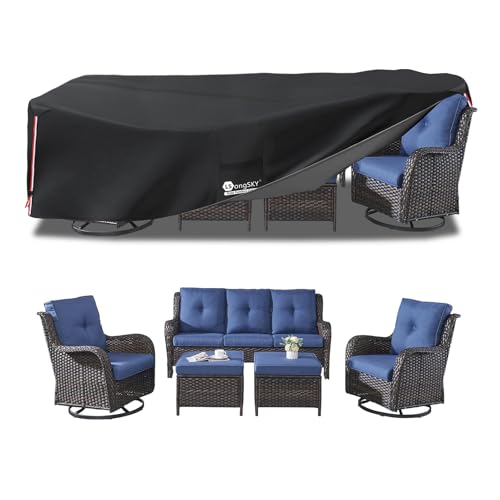
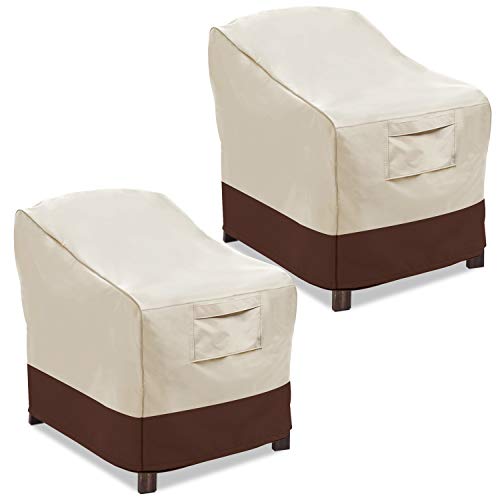
Waterproof Outdoor Wicker Furniture Covers: The Complete Guide
Rain, UV rays, dust, and seasonal debris quietly wear down wicker patio furniture. Learn how to choose, fit, and care for waterproof covers so your outdoor set stays protected and comfortable for years.
Explore Cover OptionsWhy this guide matters: If you already own wicker furniture, you know how much comfort and style it brings to a patio. But wicker — whether natural rattan or resin — is vulnerable to moisture, fading, and mildew when left exposed. A properly sized waterproof cover is one of the most effective, low-effort ways to protect your investment. This guide walks you through materials, sizing, breathability, and long-term care so you can buy with confidence.
Why Wicker Needs Special Protection
Wicker furniture is woven, which means it has countless small gaps and textured surfaces where water, dust, and pollen can settle. Natural rattan absorbs moisture and can warp or develop mildew if it stays damp. Resin wicker is more forgiving, but prolonged exposure to sun and rain still fades color, dries out the weave, and degrades the frame coating over time. A waterproof cover creates a barrier against rain, snow, bird droppings, and UV radiation, while a good design also lets trapped humidity escape so mold does not form underneath.
Protection is not just about the furniture itself. Cushions, ties, and metal frames all benefit when the entire piece is shielded. If you also store cushions separately, pairing covers with a waterproof outdoor storage box for patio cushions keeps fabric dry and ready to use.
Key Features of a Good Waterproof Wicker Cover
Not all covers are equal. The table below summarizes the features that matter most and how each one affects performance. Use the tier language as a relative guide rather than an absolute rating.
| Feature | Why It Matters | Typical Tier |
|---|---|---|
| Fabric material | Polyester and canvas blends resist water; heavier fabrics hold up longer in wind and sun. | Essential tier to premium tier |
| Waterproof coating | A laminated or coated backing stops rain from soaking through the weave. | Mid-tier and above |
| Breathable vents | Mesh or vents let humidity escape, reducing condensation and mildew risk. | Balanced tier and above |
| Drawstring or buckle straps | Keeps the cover in place during wind and storms. | Essential tier and above |
| UV-resistant finish | Prevents the cover itself from cracking and fading, extending its lifespan. | Mid-range and premium |
| Seam sealing | Reinforced or taped seams stop water from seeping through stitched areas. | Premium and top-tier |
| Elastic hem | Provides a snug fit around the base for a cleaner look and better coverage. | Mid-tier and above |
Tier descriptors are relative to the category. A balanced-tier cover often delivers the best mix of breathability, durability, and fit for most homes.
Materials: What Works Best for Wicker
Most waterproof covers use one of three fabric families. Understanding the trade-offs helps you match the cover to your climate and usage.
Polyester with a waterproof backing
This is the most common construction. Polyester is lightweight, resistant to stretching, and takes coatings well. A waterproof backing keeps rain out, and many mid-range covers add UV inhibitors. Look for reinforced seams if you live in a windy area.
Canvas and heavy-duty fabric
Canvas covers are thicker and more abrasion-resistant, making them a solid choice for high-end or heavy wicker sets. They tend to be heavier to handle, but they resist tearing better over many seasons. Canvas covers usually sit in the premium tier.
Breathable laminated fabric
These covers combine a waterproof layer with a breathable membrane. They are excellent for humid climates because they stop rain while allowing moisture vapor to escape. If mold and mildew are a concern, prioritize covers with vents or breathable panels.
How to Measure Your Wicker Furniture
Fit is the single biggest factor in whether a cover actually protects your furniture. A cover that is too small will not stay on; one that is too large will pool water and flap in the wind. Follow these steps:
- Measure the widest point of the furniture, including armrests.
- Measure the depth from the front edge to the back of the deepest part.
- Measure the height from the floor to the highest point of the backrest.
- Add a few inches of clearance on each side for airflow and easy installation.
- For sets with a table and chairs, consider separate covers or a multi-piece set cover.
- Check whether your furniture has a high back or sloping arms, which may require a cover with a taller drop.
If you are unsure between two sizes, choose the larger one and use the drawstring to tighten the hem. A slightly roomy cover is easier to put on and allows better air circulation than a tight one.
Waterproof vs. Water-Resistant: Know the Difference
Water-resistant covers repel light rain and morning dew, but they can eventually soak through during prolonged storms. Waterproof covers have a barrier layer that prevents water from passing through the fabric. For wicker furniture that stays outside year-round, waterproof construction is the safer choice. That said, even a waterproof cover needs ventilation; otherwise, condensation can form on the inside and create a damp environment. Look for mesh vents, breathable side panels, or a cover designed with airflow in mind.
If your wicker set includes a storage bench or cabinet, protecting the contents is equally important. A waterproof outdoor storage bench or a waterproof outdoor storage cabinet with shelves can keep cushions and accessories dry alongside your covered furniture.
Fit Types: Which Cover Shape Suits Your Set?
Wicker furniture comes in many shapes, and cover manufacturers design accordingly. The most common fit types are:
- Sofa and loveseat covers: Usually rectangular with a high back panel. Confirm the arm style and back height before ordering.
- Chair covers: Designed for single chairs, often with elastic hems. Check whether the cover accommodates high backs or rocking motion.
- Dining set covers: Larger covers that fit a table and chairs together. Measure the full footprint and the tallest chair back.
- Table covers: Round, square, or rectangular, often with a drawstring at the base. Ensure the cover extends below the tabletop to protect the legs.
- Chaise and lounge covers: Longer covers with a contoured shape. Verify the length from head to foot.
For mixed sets, it is often better to buy individual covers than one oversized cover. Individual covers fit more snugly and are easier to handle during installation and removal.
Maintenance and Seasonal Care
A cover is only as effective as its condition. Follow these habits to get the most from your waterproof cover:
- Brush off leaves and debris before they collect and trap moisture.
- Clean the cover periodically with mild soap and water; rinse thoroughly and let it air-dry fully.
- Never put a damp cover back on furniture. Moisture trapped underneath can lead to mildew.
- Inspect seams, straps, and vents each season for wear.
- During heavy snow, gently remove accumulation from the top of the cover to prevent stretching or tearing.
- Store the cover folded and dry during long periods of non-use.
If you also maintain the furniture underneath, pair covers with a regular cleaning routine. For broader weather protection strategies, see our weatherproofing guide.
Common Mistakes to Avoid
Even a high-quality cover can underperform if it is used incorrectly. Watch out for these pitfalls:
- Buying a cover that is too tight: It will be difficult to install and may trap condensation.
- Ignoring ventilation: A completely sealed cover can create a humid microclimate that encourages mold.
- Leaving the cover on wet furniture: Always dry the furniture and the cover before covering.
- Overlooking sharp edges: Wicker can have rough spots; pad sharp corners if the cover shows signs of wear.
- Using the wrong size for a set: A single cover stretched over a table and chairs rarely fits well; use separate covers.
Matching Covers to Your Overall Outdoor Setup
Covers are part of a broader protection system. If you store cushions and small accessories, consider a waterproof outdoor storage box or a waterproof outdoor vertical storage cabinet to keep everything in one place. For cushions that stay on the furniture, a waterproof outdoor storage solution for patio cushions helps extend fabric life. When choosing covers, think about how they will interact with your storage and furniture layout so the whole system works together.
Frequently Asked Questions
Are waterproof covers safe for wicker furniture?
Yes, when the cover is breathable and properly fitted. A waterproof cover with ventilation prevents rain from soaking the wicker while allowing trapped moisture to escape, which helps avoid mold and mildew.
How do I measure my wicker furniture for a cover?
Measure the widest point, the deepest point from front to back, and the highest point from the floor to the top of the backrest. Add a few inches of clearance for airflow and a comfortable fit.
Should I cover wicker furniture in winter?
Yes. Winter covers protect wicker from snow, ice, and freezing rain. Choose a cover rated for cold weather and ensure it is secured tightly so wind cannot lift it.
Can I put a wet cover back on my furniture?
No. Always let the cover dry completely before reinstalling it. A damp cover can trap moisture against the wicker and encourage mildew growth.