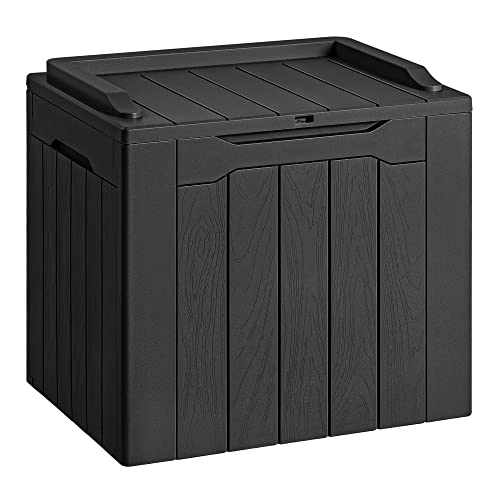
Waterproof Outdoor Storage Box: The Complete Buying Guide
Protect your patio cushions, pool gear, and garden tools from rain, sun, and pests. Learn exactly what makes a storage box truly weatherproof — and how to pick the right one for your outdoor space.
Explore Top PicksWhy this guide matters: A waterproof outdoor storage box is one of the most practical investments for any patio or deck. It extends the life of your cushions, keeps pool accessories organized, and declutters your outdoor living area. But not all "weatherproof" boxes are created equal. This guide breaks down materials, sealing systems, capacity, and placement so you can buy with confidence.
What Is a Waterproof Outdoor Storage Box?
A waterproof outdoor storage box is a weather-sealed container designed to sit on a patio, deck, porch, or poolside. Unlike a simple plastic tote, a dedicated outdoor storage box is built with UV-resistant materials, a gasketed lid, and a raised base that keeps moisture from seeping in. It serves double duty as furniture — many models double as bench seating — while protecting everything from patio cushions to pool toys and grill accessories.
Homeowners typically buy one for three reasons: protecting soft furnishings from rain and sun, hiding clutter before guests arrive, and adding functional seating or a side surface to their outdoor layout. If you are still mapping out your patio, our small outdoor patio set with fire pit guide can help you plan the surrounding layout so your storage box fits naturally.
Key Features That Make a Storage Box Truly Waterproof
Marketing labels can be misleading. Focus on these five construction details when comparing models:
- Gasketed lid seal: A rubber or silicone gasket around the lid perimeter is the single most important waterproofing feature. Without it, water pools on the lid and drips inside.
- Raised base: Legs or a recessed bottom keep the box off wet ground, preventing moisture wicking through the floor panel.
- UV-resistant material: Resin, high-density polyethylene (HDPE), and treated wood resist fading and cracking. Untreated plastic becomes brittle after a few seasons in direct sun.
- Secure latches: Stainless steel or reinforced plastic latches keep the lid compressed against the gasket and deter wind lift and wildlife.
- Ventilation options: Some premium boxes include adjustable vents to prevent condensation buildup during temperature swings. This matters if you store cushions long-term.
For a deeper look at how sealing systems compare across materials, our guide to large-capacity waterproof storage boxes covers the heavy-duty end of the market in detail.
Materials Compared: Resin, Wood, Metal, and Fabric
Each material brings trade-offs in durability, maintenance, and aesthetics. Here is how they stack up:
| Material | Best For | Maintenance Level | Durability |
|---|---|---|---|
| Resin / HDPE | All-weather patios, poolside, low-maintenance households | Minimal — rinse with a hose | High; rust-proof and UV-stable when rated |
| Wood (teak, acacia, cedar) | Natural-looking decks, rustic and coastal designs | Periodic sealing or oiling | High when sealed; needs refinishing every few seasons |
| Metal (aluminum, steel) | Modern patios, industrial-style decor | Occasional cleaning; check for scratches | Very high; powder-coated aluminum resists rust |
| Fabric / soft-sided | Temporary storage, small balconies, seasonal use | Minimal; store dry | Moderate; best for light items and covered areas |
If your patio style leans natural, a wooden waterproof outdoor storage bench blends seating and storage in one piece. For a sleek modern look, powder-coated aluminum boxes pair well with stainless steel and teak outdoor furniture. Those planning a full refresh may also want to browse teak furniture options that age gracefully alongside a wooden storage box.
Sizing Guide: How Much Capacity Do You Need?
Capacity is usually measured in gallons or cubic feet. Matching the box to your actual storage load prevents both clutter and wasted space:
- Entry-level / starter tier (30–50 gallons): Fits a few throw pillows, grill tools, and small pool toys. Good for balconies and compact patios.
- Mid-range / balanced tier (60–100 gallons): The most popular size. Holds a full set of four to six patio cushions, plus towels and small accessories.
- Premium / high-end tier (120–150 gallons): Designed for large sectional cushions, pool floats, and seasonal decor. Often doubles as a seating bench for two adults.
- Commercial-grade / top-tier (150+ gallons): For large families, rental properties, or pool clubs. Heavy-duty construction and reinforced lids.
Measure your folded cushions before buying — stacked cushions are thicker than they appear. If you are storing cushions specifically, our dedicated guide on waterproof storage boxes for patio cushions walks through exact sizing scenarios. You can also compare soft storage alternatives in our overview of storage bins for outdoor furniture cushions.
Where to Place Your Storage Box
Placement affects both convenience and longevity. Keep these guidelines in mind:
- Elevate on a hard surface: Set the box on pavers, a deck, or a concrete pad — not directly on soil or mulch, where moisture and insects collect.
- Mind drainage: Avoid the lowest point of your patio where rainwater pools. A slight slope away from the house is ideal.
- Consider sun exposure: Even UV-resistant boxes last longer in partial shade. If full sun is unavoidable, choose a light color to reduce heat buildup inside.
- Keep pathways clear: A storage box near the dining area or pool entry is convenient, but leave at least 36 inches of walkway clearance.
- Anchor in windy areas: On exposed decks, use a box with pre-drilled anchor points or add weight inside during storm season.
Thinking about shade and comfort around your storage zone? A sun shade for patio or a solar outdoor umbrella can protect both your box and the seating area beside it.
Maintenance Tips to Extend the Life of Your Storage Box
A well-maintained box can last a decade or more. Follow this simple routine:
- Monthly: Wipe the lid and gasket with a damp cloth; check that latches close snugly.
- Seasonally: Empty the box, clean the interior with mild soap, and let it dry fully before reloading. Inspect the gasket for cracks or compression.
- Before winter: Store cushions indoors if possible, or add a moisture absorber inside the box. Clear snow from the lid to prevent warping.
- Annually (wood boxes): Reapply a weatherproof sealant or oil to maintain the water barrier.
Pair your storage strategy with broader outdoor care habits — our guides on weatherproofing and outdoor care cover furniture, cushions, and structures in depth.
Common Mistakes to Avoid
- Trusting "weather-resistant" as "waterproof": Weather-resistant means it tolerates sun and light rain; waterproof means sealed against standing water. Check for a gasket explicitly.
- Storing damp items: Always dry cushions and towels before sealing them inside, or mold will develop regardless of the box quality.
- Overloading the lid: Only sit on boxes rated for seating. Using a non-rated box as a bench can crack the lid and break the seal.
- Ignoring ventilation: In humid climates, sealed boxes trap condensation. Choose a vented model or use silica packs.
- Skipping the base: Placing a box directly on grass or soil invites rot, rust, and pests.
Quick Buying Checklist
- Gasketed lid with a snug, latch-secured seal
- UV-resistant, rust-proof material rated for outdoor use
- Raised base or legs for ground clearance
- Capacity matched to your cushion stack and gear
- Seating rating if you want dual-purpose furniture
- Color and finish that match your patio style
- Anchor points for windy locations
- Reputable warranty and easy assembly
Frequently Asked Questions
What should I look for in a waterproof outdoor storage box?
Prioritize a sealed lid with a rubber gasket, UV-resistant materials, a raised base, and secure latches. These four features are what separate a genuinely waterproof box from a standard plastic container. Ventilation is a bonus for humid climates.
Can I store patio cushions in an outdoor storage box year-round?
Yes, if the box is truly waterproof and you store cushions dry. In regions with freezing winters or extreme humidity, moving cushions indoors during the off-season remains the safest option for maximum lifespan.
How much weight can an outdoor storage box hold?
It depends on the model. Entry-level resin boxes typically support one adult as seating; heavy-duty and commercial-grade deck boxes can hold two or more adults and are explicitly rated for bench use. Never exceed the manufacturer's seating rating.
Are resin or wooden storage boxes better for outdoor use?
Resin is lighter, rust-proof, and nearly maintenance-free — ideal for poolside and full-sun patios. Wood offers a natural aesthetic and can be refinished, but requires periodic sealing. Both perform well when properly constructed.
How do I stop condensation inside my storage box?
Choose a vented model, avoid storing damp items, and add a rechargeable silica moisture absorber. Placing the box in partial shade also reduces temperature swings that cause condensation.
Final Thoughts
A waterproof outdoor storage box is a small addition with an outsized impact: it protects your investments, reduces clutter, and often adds usable seating. Focus on the seal, the material, and the size — and skip the marketing hype. Once your storage is sorted, you can turn your attention to the fun part: styling your space. Explore our patio styles hub for design inspiration, or browse buying guides for every other outdoor category.
Ready to compare models? The curated selection below covers entry-level to premium options across the most popular sizes and materials.