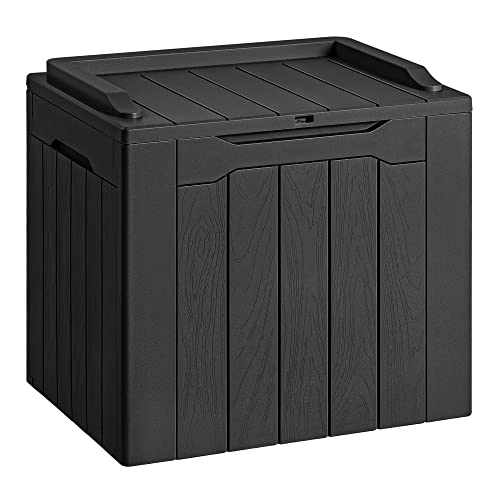
Storage Bins for Outdoor Furniture Cushions: The Complete Buyer's Guide
Protect your cushions from rain, sun, pests, and mildew with the right storage solution. Compare materials, sizes, and tiers to find a bin that fits your patio.
START THE GUIDEOutdoor cushions are the most vulnerable part of any patio setup. Fabric fades under UV exposure, foam absorbs moisture, and zippers corrode when left out through changing seasons. A dedicated storage bin for outdoor furniture cushions solves this by giving your cushions a dry, shaded home whenever they're not in use — and it extends their usable life by years compared to leaving them exposed on the furniture.
This guide covers everything you need to know before buying: how to measure your cushion stack, which materials actually repel water, how lid design affects protection, and which tier of product matches your climate and usage pattern. Whether you have a small balcony set or a full patio dining group, you'll find clear, practical guidance below.
Why Dedicated Cushion Storage Matters
Leaving outdoor cushions on the furniture through rain, dew, and intense sun is the fastest way to shorten their lifespan. Moisture trapped in foam creates a breeding ground for mildew, and repeated UV exposure breaks down the fabric weave. A quality storage bin changes the equation in four concrete ways:
- Moisture control: Sealed or vented bins keep rain, sprinkler overspray, and morning dew off the fabric while allowing trapped humidity to escape.
- UV protection: Shaded storage slows fabric fading and prevents foam from breaking down under direct sunlight.
- Pest deterrence: Rodents, insects, and birds nest in exposed cushions. A closed bin with a tight lid eliminates this risk.
- Neat patio presentation: Cushions disappear from view when not in use, keeping the outdoor space tidy and ready for entertaining.
Pro tip: Even with a great bin, always let cushions air-dry completely before sealing them inside. Storing damp cushions is the number one cause of mildew, regardless of how good the container is.
Sizing and Capacity: Measure Before You Buy
Capacity is the most common buying mistake. A bin that looks generous online often can't fit a full seating group's cushions once back cushions are added to seat cushions. Follow this process:
Step 1: Stack and Measure
Stack your largest set — typically the seat and back cushions from a sofa plus two chairs — the way you'd store them. Measure the total height, width, and depth of the stack. Add 3–4 inches to each dimension for airflow and easy loading.
Step 2: Match to Bin Volume
Manufacturers usually list capacity in gallons or liters. A single-seat cushion set generally needs a compact bin; a full sofa plus two chairs typically calls for a mid-size or large deck box. Check the interior dimensions, not the exterior, since lids and handles reduce usable space.
Step 3: Consider Access
A bin with a top-opening lid is easiest for daily use. Front-opening or split-lid designs work better when the bin is tucked against a wall. If the bin will double as a bench, confirm the load rating can safely support seating weight.
Related reading: If your cushion set is part of a larger outdoor arrangement, our waterproof outdoor storage box guide explains how deck boxes and cushion bins complement each other on a patio.
Material Options: What Actually Keeps Cushions Dry
The material determines how the bin performs in rain, humidity, and sun. Here's how the common options compare:
Resin and Polypropylene
Resin bins are the workhorse of outdoor storage. They resist rust, won't rot, and handle sun exposure well. Entry-level resin bins are solid for covered porches and seasonal use. Mid-range and premium resin models add thicker walls, UV stabilizers, and gasketed lids that perform far better in exposed locations.
Heavy-Duty Plastic with Rubber Seals
These sit at the top of the plastic category. Reinforced walls, sealed lids, and raised floors keep water out even during heavy rain. They're heavier and less portable, but they're the right choice for uncovered patios and four-season climates.
Metal (Aluminum or Powder-Coated Steel)
Metal bins look sleek and hold up to wind, but they conduct heat and can rust at seams if the coating fails. Look for fully welded, powder-coated aluminum with stainless hardware. Metal bins pair well with modern patio styles but are a worthwhile investment mostly for buyers who prioritize appearance alongside function.
Wood and Wicker
Teak, acacia, and synthetic wicker bins blend with furniture but need a waterproof liner to protect cushions from moisture wicking through the slats. These are ideal for covered patios where looks matter as much as function. If you're matching a wood furniture set, see our teak furniture care guide for maintenance overlap.
Fabric and Soft-Sided Bins
Soft-sided bins are lightweight and foldable but protect only against dust and light rain. They're a starter-tier option for balcony use or as an inner liner inside a rigid deck box.
Lid and Seal Design: Where Protection Is Won or Lost
Two bins with the same body material can perform very differently depending on the lid. Pay attention to these details:
- Gasketed lids: Rubber or silicone gaskets create a near-airtight seal against rain. This is the single biggest upgrade you can make for exposed patios.
- Overhanging lids: A lid that overlaps the rim sheds water away from the opening even without a gasket.
- Ventilation: Fully sealed bins trap condensation. Some designs include small vents with membranes that block liquid water but allow humid air to escape — ideal for climates with temperature swings.
- Raised interior floor: A floor that sits above the bin's base keeps cushions off any water that seeps in through the bottom.
- Latch quality: Metal latches outlast plastic clips and hold the lid tight against wind.
Tier Comparison: Matching the Bin to Your Needs
Rather than shopping by brand, think in tiers. Each tier reflects a different balance of durability, sealing, and finish — and each suits a different patio environment.
| Tier | Best For | Key Characteristics | Typical Weakness |
|---|---|---|---|
| Essential tier | Covered porches, seasonal use, balcony setups | Resin or polypropylene body, simple overlapping lid, light weight, easy to move | Limited rain protection; condensation can form in humid weather |
| Balanced tier | Uncovered decks with moderate rain, year-round use in mild climates | Thicker resin walls, UV stabilizers, partially gasketed lid, raised floor | Seals may degrade after several seasons of direct sun |
| Top-tier | Exposed patios, heavy rain regions, four-season climates | Fully gasketed lid, reinforced walls, stainless latches, vented membrane | Heavier and harder to reposition; overkill for covered spaces |
| Luxury / commercial-grade | Design-forward patios, hospitality settings, double-duty bench bins | Powder-coated aluminum or premium teak, precision seals, load-rated seating surfaces | Requires care to preserve finish; less portable |
For most homeowners, the balanced tier offers the best combination of protection and everyday usability. Upgrade to top-tier only if the bin will sit fully exposed or if your region sees frequent heavy rain. If the bin also functions as a bench near the seating area, a bench-style model such as a wicker storage bench blends seating and storage in one piece.
Climate Considerations: Choosing by Weather Pattern
The right bin depends heavily on where you live. Use this breakdown as a starting filter:
Humid and Rainy Climates
Prioritize gasketed lids, raised floors, and moisture absorbers inside the bin. Avoid fully sealed containers without ventilation, since trapped humidity causes more mildew damage than a small amount of airflow. Check cushions monthly during the wet season.
Hot and Sunny Climates
UV-stabilized resin or powder-coated metal resists fading and cracking. Choose a lighter color to reduce heat buildup inside the bin, and place it in shade if possible. Cushions stored in a hot, sealed bin can develop odor if closed while still warm from the sun.
Cold and Snowy Climates
Cold weather storage requires extra care. Freeze-thaw cycles push condensation into any sealed space, so use a vented or gasketed bin with a moisture absorber and inspect after each cold snap. Elevate the bin off concrete to prevent ice damage to the base.
Coastal Environments
Salt air accelerates corrosion on metal hardware and zippers. Choose resin or aluminum with stainless hardware, rinse the bin exterior periodically, and store cushions with a desiccant pack. Our outdoor care section covers salt-air maintenance for all patio gear.
Buying Checklist: What to Confirm Before You Order
Run through these points before finalizing any storage bin purchase:
- Interior dimensions fit your stacked cushions with a few inches to spare.
- Lid seal type matches your exposure level — gasketed for exposed, overlapping for covered.
- Material suits your climate: UV-stabilized resin, powder-coated aluminum, or lined wood.
- Ventilation is present if you live in a humid area or store cushions for months at a time.
- Load rating supports seating weight if the bin doubles as a bench.
- Portability matches how often you'll move it — wheels or handles help for large bins.
- Warranty covers the lid seal and hardware, which are the parts that fail first.
If you're also reorganizing the rest of your patio, pair your cushion storage with our guides on waterproof storage boxes for patio cushions and tall outdoor storage cabinets to build a complete storage system. For soft furnishings that need replacement, browse sofa replacement cushions.
Ready to Compare Cushion Storage Options?
Browse our recommended storage bins and deck boxes for outdoor cushions below, filtered to match the tiers and features covered in this guide.
VIEW RECOMMENDED OPTIONSFrequently Asked Questions
What size storage bin do I need for outdoor furniture cushions?
Measure your largest cushion set stacked together, then add a few inches on each side for airflow and easy loading. A common approach is to choose a bin that fits the full stack of seat and back cushions from your seating group, with extra room for a moisture absorber or a small shelf.
Are plastic storage bins waterproof enough for patio cushions?
Only bins explicitly rated as waterproof or water-resistant, with sealed lids and gaskets, reliably keep cushions dry. Standard open-rim plastic totes can trap condensation, so look for models with gasketed or vented lids and raised interior floors.
Can I store cushions in a deck box during winter?
Yes, provided the deck box is weather-resistant, elevated off the ground, and the cushions are fully dry before sealing. Add a moisture absorber and inspect periodically, since cold weather can cause condensation inside any sealed container.
How do I prevent mold in outdoor cushion storage?
Store cushions bone dry, place a moisture-absorbing pack inside the bin, choose a model with ventilation or a breathable liner, and never seal damp fabric. Periodically air out the bin on a dry day to reset humidity levels.
Should I choose a bench-style bin or a standard deck box?
Choose a bench-style bin if you need extra seating near the patio table and want storage hidden in plain sight. Choose a standard deck box if you need maximum capacity and easier access to large cushion stacks.