Waterproof Outdoor Storage Box with Wheels: The Complete Buying Guide
Keep cushions, tools, and patio essentials dry and organized with a mobile storage solution that rolls where you need it. Learn what separates a truly weatherproof wheeled box from an ordinary bin.
Why this guide matters: A wheeled waterproof storage box solves two of the most common patio problems at once — protecting your gear from rain, humidity, and pests, and letting you move heavy loads without lifting. But not every box labeled "waterproof" performs the same. This guide breaks down materials, sealing methods, wheel systems, capacities, and security so you can compare options with confidence and choose a box that fits your deck, your belongings, and your climate.
What Is a Waterproof Outdoor Storage Box with Wheels?
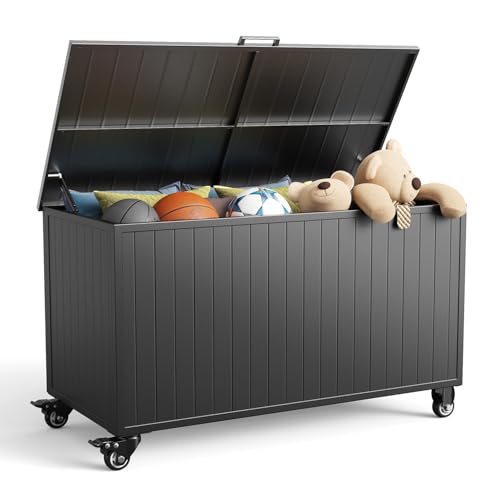
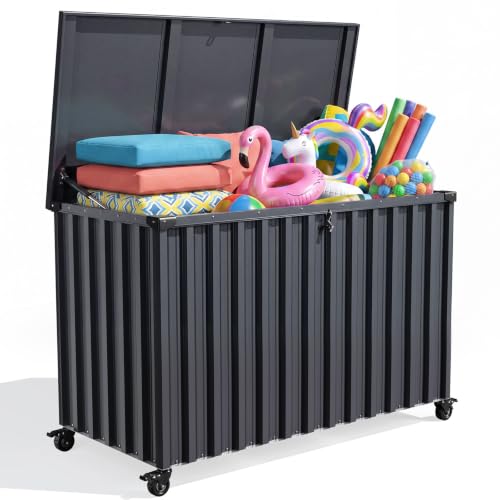
A waterproof outdoor storage box with wheels is a sealed, weather-resistant container designed to sit on a patio, deck, balcony, or beside a pool while keeping its contents dry. The integrated wheel system — typically two fixed rear wheels and two front casters, or four swivel casters — allows the box to be rolled rather than lifted, which matters when the box is loaded with heavy patio cushions, garden tools, pool accessories, or grill supplies.
These boxes differ from standard deck boxes in three critical ways: the lid gasket or overlapping lip that blocks water intrusion, the raised base that keeps the floor panel off wet surfaces, and the mobility hardware rated for the loaded weight. Together, these features make the box a practical long-term storage solution rather than a seasonal bin.
Who Should Consider a Wheeled Waterproof Storage Box?
Patio & Cushion Owners
If you bring outdoor cushions inside every time it rains, a wheeled box lets you store them outside and roll the box to the door or garage when needed. Look for a box tall enough to hold seat cushions upright so they dry evenly.
Pool & Spa Owners
Chlorine, floats, and towels all benefit from a sealed container near the water. Wheels make it easy to reposition the box away from splash zones or move it under cover before a storm.
Gardeners with Tools
Hand tools, potting soil, gloves, and hoses stay dry and organized. A wheeled box can follow you around the yard instead of forcing repeated trips to a shed.
Small-Space Dwellers
Balconies and compact patios have limited floor area. A wheeled box can double as a bench or side surface and be rolled out of the way when entertaining.
Key Features That Define a Good Wheeled Storage Box
1. Waterproofing and Sealing Methods
"Waterproof" is used loosely in product listings. The most reliable designs use one or more of the following: a continuous rubber or silicone gasket around the lid rim, an overlapping shingled lid that sheds water outward, a raised floor panel, and sealed or gasketed seams. A simple snap-on lid without a gasket will resist light rain but not driving rain or standing water. For a truly dry interior, prioritize gasketed lids and overlapping designs, and confirm the box is rated for outdoor exposure year-round.
If you also store fabric items, pair the box with waterproof storage containers inside for an extra layer of protection against condensation.
2. Wheel and Mobility System
Wheels are the defining feature, so evaluate them closely. Two fixed wheels plus two front casters roll well on smooth decks but can be awkward on gravel or grass. Four swivel casters with locking brakes offer the best maneuverability and prevent the box from rolling on sloped surfaces. Larger wheel diameters handle uneven pavers and thresholds better than small casters. Check that the wheel housing is reinforced and that the load rating accounts for the box plus its contents — an under-rated wheel system is the most common failure point.
3. Capacity and Internal Dimensions
Capacity is usually listed in gallons or liters, but internal dimensions matter more than the headline number. Measure the items you plan to store — cushion depth, tool handle length, pool float width — and compare against the interior length, width, and height. A box with a high gallon rating but a shallow interior may not hold upright cushions. If you need significantly more room, a larger-capacity storage box may be a better match than a mid-size wheeled model.
4. Lid Design and Access
Hinged lids with gas struts stay open hands-free, which is useful when loading bulky cushions. Split or dual-access lids let you reach in without exposing the entire interior. Some boxes are designed to double as a bench seat; confirm the weight rating if you plan to sit on it. A lid that overlaps the base on all four sides sheds water more effectively than a flush lid.
5. Locking and Security
If the box will hold tools, electronics, or other valuables, look for a hasp or built-in lock loop that accepts a padlock. A lockable waterproof storage box adds deterrence and keeps children out of chemical storage. Note that locks protect against casual access, not determined theft, so pair security with placement in a visible area.
6. Material and Finish
Resin and high-density polyethylene (HDPE) are the most common materials because they resist rot, rust, and UV fading. Heavy-duty resin with UV inhibitors holds color longer in sunny climates. Metal boxes — powder-coated steel or aluminum — offer a more furniture-like look but require rust-proof finishes and periodic inspection of seams and hinges. Wood boxes look warm but need sealing and are rarely truly waterproof unless lined.
Entry-Level, Mid-Range, and Premium Tiers Explained
Wheeled waterproof storage boxes fall into three broad market tiers. Comparing tiers helps you understand what each level typically delivers without relying on transient figures.
| Tier | Typical Construction | Best For |
|---|---|---|
| Entry-Level | Single-wall resin, snap-fit lid with basic weather lip, two small fixed wheels, limited capacity range | Light-duty cushion storage on covered porches; occasional seasonal use |
| Mid-Range | Double-wall resin or reinforced HDPE, gasketed lid, four casters with at least two locking, bench-rated lid on some models | Year-round outdoor storage on decks and patios; mixed cushion and tool storage |
| Premium | Heavy-duty double-wall construction, full-perimeter gasket, sealed seams, large-diameter swivel casters with brakes, lockable hasp, UV-stabilized finish | Demanding climates, valuable gear, frequent repositioning, dual use as seating or surface |
Buying tip: Mid-range models usually offer the most balanced combination of sealing, wheel quality, and capacity. Entry-level boxes are a solid choice for covered areas, while premium models are a worthwhile investment when the box sits in full sun, heavy rain, or snow load.
How Wheeled Boxes Compare to Other Outdoor Storage
A wheeled box is not the only option. Understanding the trade-offs helps you pick the right format:
- Stationary storage box: Usually offers more capacity per footprint and a stronger bench rating, but must be lifted or dragged when moved. See our guide to a waterproof outdoor storage box for stationary options.
- Storage bench: Combines seating and storage, ideal for patios where space is tight and you want furniture to do double duty. Compare with a waterproof outdoor storage bench if seating matters more than mobility.
- Vertical cabinet: Better for tall items like brooms, folded umbrellas, and long tools. A vertical storage cabinet uses height instead of floor area.
- Storage cabinet with shelves: Best for organizing many small items. A cabinet with shelves keeps categories separated but is rarely mobile.
- Generic weatherproof bins: Lighter and simpler, but usually lack wheels, gaskets, and bench ratings. See weatherproof storage bins for light-duty needs.
Buying Checklist: What to Verify Before You Choose
- Seal quality: Confirm a gasket or overlapping lid design, not just a snap closure.
- Wheel load rating: Match the rated capacity to the box plus contents, with margin to spare.
- Wheel type: Swivel casters with brakes for patios and slopes; larger diameter for uneven surfaces.
- Interior dimensions: Measure your cushions or tools and compare against internal measurements, not just gallon ratings.
- Drainage: Some boxes include drain plugs or slotted floors to release condensation and minor seepage.
- UV resistance: Look for UV-stabilized resin or a finish rated for sun exposure.
- Locking provision: A hasp or lock loop if security matters.
- Assembly and weight: Empty box weight matters for stairs and thresholds; check whether wheels arrive pre-installed.
- Warranty and replacement parts: Confirm that wheels and lids are replaceable, since these wear first.
Placement, Care, and Long-Term Performance
Even a well-sealed box performs better with sensible placement. Set it on a flat, well-drained surface — pavers, concrete, or a deck with gaps — rather than directly on soil or mulch. Slight elevation or a raised base keeps the bottom panel off standing water. Avoid positioning the box where roof runoff pours directly onto the lid, and check the seal around the lid after heavy storms.
Clean the exterior with mild soap and water, and inspect the gasket and hinges each season. Lubricate metal casters lightly and confirm that locking brakes still engage. If the box holds fabrics, air them out periodically on dry days to prevent mildew from trapped humidity. For broader maintenance routines, see our weatherproofing guide.
Frequently Asked Questions
Are wheeled storage boxes truly waterproof?
The best models are effectively waterproof for outdoor use thanks to gasketed lids, overlapping rims, and raised floors. No box is submersible, and condensation can occur in humid climates, so ventilate stored fabrics and consider internal waterproof containers for sensitive items.
Can I sit on a wheeled storage box?
Some models are bench-rated, but the wheel system and single-wall construction on many wheeled boxes are not designed for seating. Check the manufacturer's weight rating for the lid specifically before using it as a bench.
Will the wheels work on grass or gravel?
Small casters struggle on soft or uneven ground. For grass, gravel, or thresholds, choose larger-diameter wheels with reinforced housings, or use the box primarily on hard, level surfaces.
How do I prevent mildew inside the box?
Store items fully dry, leave a small ventilation gap if the lid design allows it, and place moisture-absorbing packs inside. Periodically air out cushions and wipe down the interior on dry days.
What size box do I need for patio cushions?
Measure the cushion depth and height when standing upright, then compare to the box's internal dimensions. A box that holds cushions flat wastes less height but requires more floor area; upright storage needs a taller interior. If capacity is the priority, consider a cushion-focused storage box.
Bottom Line
A waterproof outdoor storage box with wheels is a practical upgrade for any patio owner who wants to protect gear without hauling it indoors. Prioritize a genuine gasket or overlapping lid, a wheel system rated for the loaded weight, and interior dimensions that match what you actually store. Mid-range models generally deliver the best balance of sealing, mobility, and capacity for year-round use, while premium models make sense in harsh climates or for high-value contents.
Once you have shortlisted a few models, explore our detailed coverage of related storage solutions — including patio cushion storage boxes, waterproof patio cushion storage, and lockable waterproof storage boxes — to compare formats and confirm the right fit for your space.