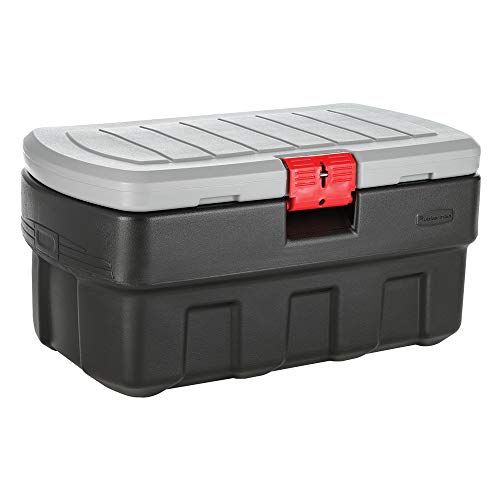
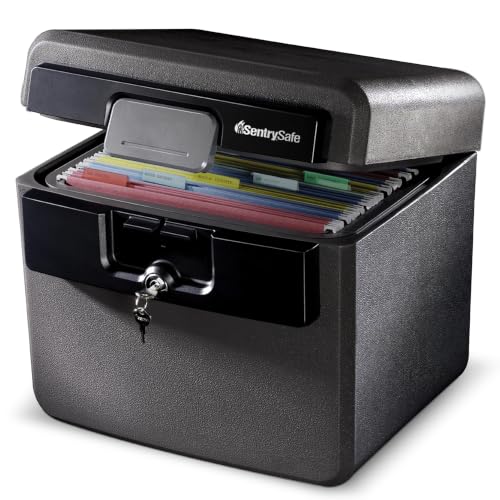
Why a Waterproof Storage Box with Lock Belongs on Every Patio
If you own patio cushions, garden tools, pool accessories, or grill supplies, you already know how quickly outdoor items degrade when exposed to rain, morning dew, and intense sun. A waterproof storage box with lock solves two problems at once: it keeps moisture out and keeps curious hands—or wildlife—away from your belongings.
Homeowners who invest in a quality locked storage box often find that their cushions last multiple seasons longer, and their deck stays clutter-free. The right box also doubles as a seating surface or side table, so it earns its footprint on a small patio. If you are upgrading from an open bin, a waterproof outdoor storage box is the natural next step, and adding a lock brings security into the equation.
Quick insight: The two most common failure points in outdoor storage boxes are the lid seal and the base. A box that sits flat on concrete without a raised base will wick moisture upward. A lid without a gasket will let water in during heavy rain. Prioritize these two features before anything else.
What "Waterproof" Really Means for Outdoor Storage
Marketing language can be misleading. "Water-resistant" and "waterproof" are not interchangeable, and many boxes labeled as weatherproof will still let water in during a storm. Here is how to evaluate a box before you buy.
Sealed Lid and Gasket
The lid should overhang the body and sit on a rubber or foam gasket. When you close the lid, you should feel slight resistance. If you can see daylight through the seam, water will find its way in. Premium boxes use compression gaskets that seal tighter as the lid latch is engaged.
Raised Base or Feet
A box that rests directly on the ground will absorb moisture from the surface, especially on concrete or wood decks. Look for a box with integrated feet or a recessed base that lifts the floor of the box at least an inch above the surface. This single feature dramatically reduces interior dampness.
Material Rating
Resin and heavy-duty polypropylene are naturally waterproof. Wood boxes require sealed joints and a waterproof coating, and they need re-sealing every season. Metal boxes must have a rust-proof finish, and even then, condensation can form inside. For most homeowners, a resin or high-grade plastic box offers the best balance of waterproofing and low maintenance.
If your primary concern is cushion protection, the guide on waterproof outdoor storage box for cushions goes deeper into interior ventilation and moisture control.
Locking Systems Compared: Hasp, Integrated, and Combination
The lock is the security half of the equation. Not all locking mechanisms are equal, and the right choice depends on how much security you need and how often you open the box.
| Lock Type | Best For | Pros | Considerations |
|---|---|---|---|
| Hasp + Padlock | Entry-level to mid-range boxes; flexible security | You choose the padlock grade; easy to replace; works on most boxes | Padlock is exposed to weather; choose a weather-rated padlock |
| Integrated Keyed Lock | Mid-range to premium boxes; frequent access | Clean look; key stays with you; no dangling hardware | Harder to replace if the mechanism fails; key management required |
| Combination Lock | Shared households; rental properties | No key to lose; multiple people can share the code | Code must be changed periodically; dials can seize in freezing weather |
| Reinforced Lock Hasp | High-end tier and commercial-grade boxes | Resists prying; accepts heavy-duty padlocks | Usually found on larger, heavier boxes |
A reinforced hasp is the most versatile option because it lets you match the padlock to your security needs. For a patio box that holds cushions, a standard weather-rated padlock is usually sufficient. For a box holding tools or grill accessories, a heavier padlock with a shielded shackle is a better match.
If you prefer a box that already includes a lock, browse the waterproof storage box with lock category to compare integrated and hasp-style options side by side.
Materials and Durability Tiers
Outdoor storage boxes fall into three broad quality tiers. Understanding these tiers helps you match the box to your climate and usage without over- or under-buying.
Entry-Level Tier
Entry-level boxes are typically made from thinner resin or basic plastic. They handle light rain and keep cushions dry in moderate conditions, but the lids may warp over time and the locking hardware is often a simple molded hasp. These boxes suit covered patios and mild climates. They are a solid choice for seasonal use or for storing lightweight items like pool toys and garden gloves.
Mid-Range Tier
Mid-range boxes use thicker walls, reinforced lids, and proper gaskets. The locking hasp is usually metal-reinforced, and the base is raised. Many mid-range models are rated to support a person sitting on them, which makes them dual-purpose furniture. This tier is the sweet spot for most homeowners: durable construction, reliable waterproofing, and a locking system that deters casual theft.
Premium and High-End Tier
Premium boxes feature double-wall construction, UV-stabilized resin, stainless steel hardware, and precision-fit gaskets. Some models include integrated ventilation to prevent condensation while still blocking rain. The locking mechanisms are often reinforced and sometimes concealed. These boxes are built for year-round exposure in harsh climates and for households that need genuine security for valuable equipment.
For a larger capacity option in the mid-range to premium tier, the waterproof outdoor storage box 150 gallon guide covers sizing and load considerations for high-volume storage.
Sizing and Capacity: Match the Box to Your Gear
Buying a box that is too small is the most common regret. Measure what you plan to store before you shop, and add about 20 percent of extra space for airflow and easy packing.
- Small boxes (up to 50 gallons): Best for garden tools, grill accessories, small cushions, and pool chemicals. These often fit on a balcony or beside a door.
- Medium boxes (50–100 gallons): The most popular size for patio cushion sets, throw pillows, and a few tools. Many double as bench seating.
- Large boxes (100–150 gallons): Ideal for full cushion sets, outdoor toys, and bulky equipment. These are heavy even when empty, so place them before loading.
- Extra-large and cabinet-style: For entire patio collections or multi-purpose storage. These often include shelves and vertical organization.
If you need vertical organization rather than a bench-style box, a waterproof outdoor storage cabinet with shelves provides shelf-by-shelf access and keeps smaller items from getting buried.
Pro tip: A box that doubles as seating should be rated for the weight of a person. Check the manufacturer's weight rating and confirm that the lid is reinforced at the hinge points. Bench-style boxes with lockable lids are excellent space-savers on small patios.
Features Checklist Before You Buy
- Gasketed lid: A visible rubber or foam seal that compresses when closed.
- Raised base: Feet or a recessed floor that keeps the box off wet surfaces.
- Reinforced lock hasp: Metal or reinforced plastic that resists prying.
- Weather-rated hinges: Stainless steel or sealed hinges that will not rust or seize.
- UV-stabilized material: Prevents fading and cracking in direct sun.
- Ventilation (optional): Small vents or breathable panels that reduce condensation without letting rain in.
- Weight rating: If you plan to use the box as seating, confirm the load capacity.
- Assembly requirements: Some boxes ship flat; check whether tools are included.
- Warranty: A longer warranty usually signals better materials and construction.
For cushion-specific storage, the waterproof storage box for patio cushions page highlights interior dimensions and ventilation features that matter for fabric care.
Care and Maintenance for Long-Term Performance
A waterproof box is not maintenance-free, but the upkeep is simple. Follow these habits to extend the life of the seal and the lock.
- Clean the gasket seasonally: Wipe the lid seal with a damp cloth and mild soap. Dirt and pollen break down rubber over time.
- Lubricate the lock: Apply a silicone-based lubricant to the hasp and padlock shackle twice a year. Avoid oil-based lubricants that attract dust.
- Check the base: Clear debris from under the box so moisture can drain away. Do not let mulch or leaves pile against the base.
- Dry interior items: Never store damp cushions. Moisture trapped inside a sealed box can cause mildew even if rain never enters.
- Inspect after storms: Check the interior after heavy rain or snowmelt. A quick check catches seal failures early.
For broader seasonal maintenance advice, the weatherproofing guide covers protective routines for all outdoor furniture and storage.