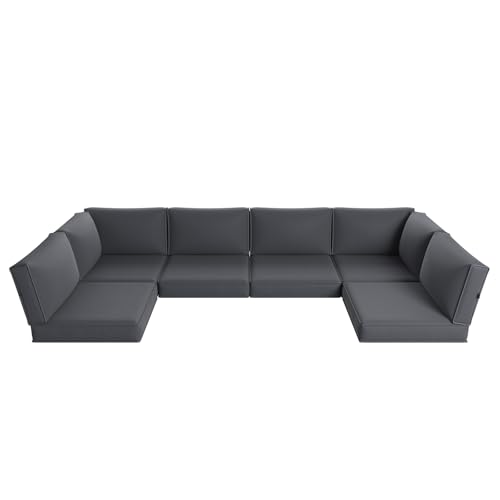
Weatherproof Outdoor Furniture Cushions: The Complete Buying and Care Guide
Everything you need to choose cushions that survive sun, rain, and seasons — so your patio stays comfortable and inviting year after year.
Start the GuideWhy this guide matters: Outdoor cushions are the comfort layer of your patio, but they face relentless UV rays, rain, humidity, and temperature swings. The right weatherproof cushions protect your investment and keep your seating usable through every season. This guide walks you through fabric technology, filling types, construction, maintenance, and storage so you can buy with confidence.
1. Understanding Weatherproof vs. Water-Resistant
The terms "weatherproof," "weather-resistant," and "waterproof" are often used loosely in product listings, but they describe different levels of protection. Knowing the difference prevents disappointment after the first heavy rain.
Water-Resistant
Water-resistant cushions are treated with a finish that causes water to bead and roll off for a short time. They handle light drizzle, morning dew, and spills, but prolonged exposure allows moisture to seep into the fabric and filling. These are a solid choice for covered porches and screened patios where direct rain is rare.
Waterproof
Waterproof cushions use a sealed inner liner, coated fabric, or a laminated barrier that blocks liquid entirely. They are the right pick for uncovered patios, poolside seating, and regions with frequent rain. If you need full confidence in wet conditions, compare options in our weather-resistant outdoor furniture cushions collection and look specifically for sealed liners.
Weatherproof (The Practical Middle Ground)
In everyday use, "weatherproof" signals a combination of water repellency, UV stability, mold resistance, and durable stitching. A truly weatherproof cushion resists all four threats: moisture, sun fading, mildew growth, and seam failure. When shopping, look for explicit claims about UV resistance, mold and mildew resistance, and water repellency rather than relying on the word alone.
2. The Best Fabrics for Outdoor Cushions
Fabric determines how a cushion looks and performs over time. The table below compares the leading options using universal quality tiers rather than numbers, so the guidance stays relevant regardless of the season.
| Fabric | Tier | Best For | Notes |
|---|---|---|---|
| Solution-Dyed Acrylic | Top-tier | Full sun, uncovered patios | Color is dyed into the fiber, so it resists UV fading exceptionally well. Soft hand feel. |
| Olefin (Polypropylene) | Mid-range to premium | Humid climates, pool areas | Inherently moisture- and mildew-resistant; dries quickly. Less soft than acrylic. |
| High-Grade Polyester | Mid-range | Covered patios, seasonal use | Good durability with solution-dyed variants; standard polyester fades faster in strong sun. |
| Acrylic-Blend Canvas | Entry-level to mid-range | Light use, screened porches | Classic look and comfortable feel; requires more frequent re-treatment for water repellency. |
Whichever fabric you choose, check that it is labeled as suitable for outdoor use and includes UV protection. For a deeper look at material chemistry, see our guide on weather-resistant fabric for outdoor cushions.
3. Filling and Foam Types Explained
The filling determines comfort and how well a cushion recovers after rain or heavy use. Here is how the main options compare.
- Open-Cell Foam: Comfortable and supportive, but absorbs water unless wrapped in a waterproof liner. Best for covered spaces or cushions with sealed liners.
- Closed-Cell Foam: Does not absorb water, making it a strong choice for exposed seating. Slightly firmer feel; often used in pool and marine cushions.
- Polyester Fiber Fill: Plush and light, ideal for back cushions and throw pillows. Not suited to wet exposure without a waterproof shell.
- Foam Core with Fiber Wrap: A balanced construction that pairs structural support with a soft surface. Common in mid-range and premium dining and lounge cushions.
- Reticulated (Fast-Dry) Foam: An open structure engineered to let water pass through and drain rapidly. A top-tier choice for uncovered poolside furniture.
If your priority is maximum water protection, pair closed-cell or fast-dry foam with a waterproof outer shell. You can explore ready options in our waterproof seat cushions for outdoor furniture selection.
4. Construction Details That Matter
Small construction choices have a large impact on longevity. When evaluating cushions, look beyond the color and check the following:
- Sealed seams and zippers: Waterproof zippers and taped or sealed seams prevent water from entering through the most vulnerable points.
- Reinforced stitching: Double-stitched seams resist pulling and seam failure from repeated moisture cycles.
- Removable covers: Covers that unzip for washing extend the life of the cushion and make deep cleaning practical.
- Attachment systems: Ties, straps, or grip dots keep cushions from blowing away in high winds.
- Drainage channels: Some waterproof cushions include small drainage passages so trapped water escapes rather than pooling.
For furniture that pairs with these cushions, review our notes on weatherproof outdoor benches and weather-resistant outdoor sofas to confirm compatible dimensions and styles.
5. How to Choose the Right Cushions
Use this practical sequence to narrow your options efficiently:
- Assess exposure: Is the furniture under a roof, under a pergola, or fully open? Full exposure demands waterproof liners and top-tier fabric.
- Measure precisely: Record seat width, depth, back height, and corner radius. A cushion that is slightly too large will strain seams; one too small slides around.
- Match the filling to use: Dining chairs need firmer support; loungers and sofas benefit from plush layered foam.
- Check climate factors: High humidity calls for mildew-resistant materials; strong sun calls for solution-dyed acrylic.
- Confirm care requirements: Removable, machine-washable covers simplify maintenance and extend lifespan.
6. Care and Cleaning Routine
Consistent, gentle care keeps weatherproof cushions performing for many seasons. Follow this routine:
Weekly
- Brush off loose debris and leaves.
- Wipe spills promptly with a damp cloth to prevent staining.
- Shake out cushions to redistribute filling and release trapped dust.
Monthly
- Clean with a mild soap-and-water solution and a soft brush; rinse thoroughly.
- Allow cushions to air dry completely, standing them on edge for even airflow.
Seasonally
- Deep clean according to the manufacturer's instructions, especially before off-season storage.
- Inspect seams, zippers, and ties for wear; repair small issues before they grow.
- Re-apply fabric protector if the manufacturer recommends it for your specific fabric.
Avoid harsh bleach or abrasive cleaners unless the care label specifically permits them. For broader maintenance context, see our weatherproofing guide.
7. Off-Season Storage Best Practices
Proper storage is the single most effective way to extend cushion life. Moisture trapped in storage is the leading cause of mold and mildew damage.
- Clean and dry first: Never store cushions that are damp or soiled. Dry them fully in the sun before packing.
- Choose the right container: A dedicated waterproof outdoor storage box for cushions keeps contents dry while allowing some ventilation.
- Keep it off the ground: Elevate stored cushions or choose a cabinet with shelves to prevent ground moisture from wicking upward.
- Add moisture control: A small desiccant pack helps in humid climates; refresh it periodically.
- Store indoors when possible: For extreme winters or prolonged off-season periods, bring cushions inside to a dry, temperature-stable room.
For larger collections, explore waterproof outdoor storage for patio cushions and waterproof storage containers to match your space and volume.
8. Climate-Specific Recommendations
Your local climate should shape your cushion strategy. The table below maps common conditions to practical priorities.
| Climate Condition | Primary Priority | Recommended Approach |
|---|---|---|
| Intense year-round sun | UV fade resistance | Solution-dyed acrylic fabric; light colors reflect heat. |
| Frequent rain | Waterproof construction | Sealed liners, waterproof zippers, fast-dry foam. |
| High humidity | Mold and mildew resistance | Olefin or treated acrylic; ventilated storage; dry thoroughly before storing. |
| Freezing winters | Off-season protection | Store indoors or in a weatherproof cabinet; avoid leaving cushions under snow load. |
| Coastal salt air | Corrosion and moisture resistance | Rinse fabric periodically; choose marine-grade fillings and hardware. |
9. Common Mistakes to Avoid
- Assuming "outdoor" means waterproof: Many outdoor cushions are only water-resistant. Check the construction details.
- Ignoring the filling: A waterproof cover over open-cell foam still traps moisture inside if water enters through seams.
- Skipping measurements: Poor fit strains seams and shortens cushion life.
- Storing damp cushions: This is the fastest route to mildew. Always dry completely first.
- Using harsh cleaners: Bleach and abrasives break down protective finishes. Use mild soap unless the label says otherwise.
- Leaving cushions out through extreme weather: Even premium cushions last longer when protected during storms and freezing periods.
Frequently Asked Questions
What is the difference between water-resistant and waterproof outdoor cushions?
Water-resistant cushions repel light moisture and resist brief rain but can absorb water under prolonged exposure. Waterproof cushions use a sealed barrier or coated fabric that blocks water entirely, making them suitable for uncovered patios and heavy rain.
Which fabric is best for weatherproof outdoor furniture cushions?
Solution-dyed acrylic, olefin, and high-grade polyester blends are top-tier choices. They resist UV fading, mold, and moisture while maintaining color and structure over many seasons.
How should I store outdoor cushions during the off-season?
Clean and thoroughly dry cushions before storage. Use a weatherproof storage box or waterproof storage container in a dry, ventilated area. Avoid sealing damp cushions, as trapped moisture encourages mold and mildew.
Can weatherproof cushions stay outside all year?
Premium weatherproof cushions can remain outdoors through most seasons, but extended exposure to harsh sun, freezing temperatures, and heavy rain shortens their lifespan. Bringing them inside or storing them during extreme weather preserves fabric and filling.
Ready to Upgrade Your Patio Comfort?
Explore our curated selection of weatherproof cushions and matching outdoor essentials, chosen to hold up through sun, rain, and everything in between.
Explore Options