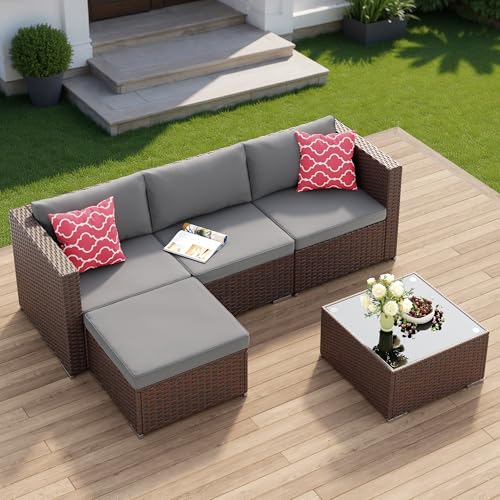
Weather Resistant Outdoor Sofa: The Complete Buying Guide
Everything you need to know about choosing a patio sofa that survives rain, sun, and seasonal swings — from frame materials and cushion fabrics to care routines that extend its life.
Explore Buying FactorsQuick Answer: A weather resistant outdoor sofa pairs a powder-coated aluminum or high-grade steel frame with solution-dyed acrylic or olefin cushion fabric and quick-dry foam. These materials resist rust, UV fading, and mildew without constant maintenance — making them the most reliable long-term investment for exposed patios, decks, and poolside areas.
Why a Weather Resistant Outdoor Sofa Matters
An outdoor sofa is one of the largest and most-used pieces in any backyard setup. Unlike a side table or an accent chair, it stays in the elements year-round and takes the brunt of rain, humidity, UV radiation, and temperature shifts. Choosing a model built for those conditions is the difference between a sofa that looks new after several seasons and one that fades, mildews, or rusts within a single year.
Weather resistance is not a single feature — it is a combination of factors working together. The frame must resist corrosion, the cushion fabric must repel water and hold color, the foam must dry quickly, and the hardware and joinery must stay tight through freeze-thaw cycles. When all of these align, you get a sofa that performs well with minimal upkeep.
If your patio is fully covered, you have more flexibility. But for open decks, poolside layouts, and coastal environments, weather resistance is not optional — it is the primary buying criterion. For broader context on protecting all your outdoor pieces, see our guide to weatherproofing outdoor furniture.
Frame Materials: The Foundation of Weather Resistance
The frame determines how well a sofa handles moisture, salt air, and temperature swings. Here is how the most common materials compare:
Powder-Coated Aluminum — Top-Tier Choice
Aluminum is naturally rust-proof, making it the most reliable frame material for wet and coastal environments. Powder coating adds a durable, scratch-resistant layer that further protects against moisture and UV exposure. It is lightweight, easy to rearrange, and performs well across all climates. Look for heavy-duty aluminum tubing with reinforced welds for commercial-grade durability.
High-Grade Stainless Steel — Heavy-Duty Option
Stainless steel offers exceptional strength and a premium feel. Marine-grade stainless steel (316 alloy) resists salt and corrosion well, making it suitable for coastal patios. The trade-off is weight — these frames are heavy and best suited to permanent placements rather than frequent rearranging. Standard stainless (304 alloy) is a solid mid-tier choice for inland climates.
Teak and Dense Hardwoods — Naturally Rot-Resistant
Teak contains natural oils that repel water and resist rot, making it one of the best wood choices for outdoor furniture. It develops a silver-gray patina over time if left untreated, or you can apply annual sealant to maintain its golden tone. Other dense hardwoods like ipe and acacia offer similar benefits at different tiers. Wooden frames require more maintenance than metal but deliver warmth and character that synthetic materials cannot match.
Wicker, Rattan, and Resin — Style With Caution
Natural wicker and rattan are beautiful but degrade quickly in wet conditions. For outdoor use, choose all-weather resin wicker over an aluminum frame — it mimics the woven look while resisting moisture and UV fading. Synthetic resin wicker is a mid-range option that balances style and durability. Pair it with proper covers or a waterproof wicker furniture cover to maximize lifespan.
| Frame Material | Tier | Rust Resistance | Best For | Maintenance |
|---|---|---|---|---|
| Powder-coated aluminum | Premium | Excellent | Coastal, rainy, poolside | Low |
| Marine-grade stainless steel | Luxury | Excellent | Salt air, high-humidity regions | Low |
| Teak / dense hardwood | Premium | Good (naturally rot-resistant) | Covered patios, classic styles | Moderate (annual sealing) |
| All-weather resin wicker on aluminum | Mid-Range | Very good | Style-focused patios, covered areas | Low to moderate |
| Standard steel with powder coat | Mid-Range | Good (chips expose rust risk) | Inland, covered patios | Moderate (inspect for chips) |
| Natural wicker / rattan | Entry-Level | Poor | Fully sheltered porches only | High |
Cushion Fabrics: Where Most Sofas Fail
The frame may survive the weather, but cushions are often the first component to degrade. Fading, mildew, and waterlogged foam are the most common complaints. The fabric and foam core determine whether your sofa stays comfortable season after season.
Solution-Dyed Acrylic — The Benchmark
Solution-dyed acrylic is the gold standard for outdoor cushion fabric. The color is infused into the fiber itself rather than applied as a surface dye, so it resists UV fading exceptionally well. It also repels water, dries quickly, and resists mildew when properly maintained. This fabric is common in premium and luxury tier sofas and is worth prioritizing if your sofa sits in direct sun.
Olefin — Strong Mid-Range Alternative
Olefin is a synthetic fiber with excellent moisture resistance and good UV stability. It is lighter than acrylic and often used in mid-range outdoor furniture. While it may not hold color quite as long as solution-dyed acrylic under intense sun, it performs well for most residential settings and offers a solid balance of durability and comfort.
Polyester — Entry-Level With Limits
Standard polyester is common in entry-level outdoor furniture. It can be treated for water and UV resistance, but untreated polyester fades and mildews faster than acrylic or olefin. If you choose polyester, look for explicitly labeled weather-resistant treatments and plan to store cushions during extended wet periods.
Foam Cores: Quick-Dry Is Essential
Even the best fabric cannot compensate for a foam core that holds water. Quick-dry foam uses an open-cell structure that allows water to drain and air to circulate, preventing the musty smell and mildew that plague standard foam. Look for cushions described as quick-drying or open-cell. If your current cushions retain water, consider upgrading to weather resistant outdoor furniture cushions with quick-dry cores.
For deeper guidance on choosing replacement fabrics, read our breakdown of weather resistant fabric for outdoor cushions.
Construction Details That Signal Quality
Beyond materials, the way a sofa is assembled determines how well it ages. These details separate durable pieces from those that fail early:
- Welded vs. bolted joints: Fully welded aluminum frames are more rigid and less prone to loosening than bolted assemblies. Bolted frames can work well if hardware is stainless steel.
- Sealed hardware: Stainless steel screws, bolts, and brackets resist corrosion. Exposed standard steel hardware will rust and stain surrounding materials.
- Drainage channels: Quality frames include drainage paths so water does not pool inside tubing or on seating surfaces.
- Removable cushion covers: Zippered, removable covers make deep cleaning far easier and extend cushion lifespan.
- UV-stable thread and zippers: Stitching and zippers degrade under sun exposure. UV-stable thread prevents seam failure.
- Feet and glides: Protective feet prevent moisture wicking into legs and protect deck surfaces from scratches.
Care and Maintenance for Long-Term Performance
Even a top-tier weather resistant sofa benefits from routine care. A simple seasonal routine keeps it looking new and functioning properly:
Routine Cleaning
Clean the frame with mild soap and water, then rinse and dry thoroughly. Avoid abrasive cleaners that can scratch powder coating. For cushions, brush off loose debris and spot-clean with a fabric-safe cleaner. Most solution-dyed acrylic covers can be removed and washed according to the manufacturer's instructions.
Seasonal Protection
During off-season months or extended wet periods, cover the sofa or store cushions indoors. A waterproof patio furniture cover protects against rain, leaves, and UV exposure while allowing ventilation. Avoid airtight covers that trap moisture — breathable fabrics are better for long-term storage.
For cushion storage, a waterproof outdoor storage box for patio cushions keeps them dry and protected between uses. If you prefer a cabinet setup, explore weatherproof outdoor storage cabinets for a more permanent solution.
Annual Inspection
Check all hardware and joints at the start of each season. Tighten loose bolts, inspect for corrosion, and re-seal wooden frames if needed. Early intervention prevents small issues from becoming structural problems.
Protecting Cushions
If your cushions show wear, replacement is often more practical than replacing the whole sofa. See our guide to waterproof replacement cushions for patio furniture for options that match most standard frame sizes.
Buying Checklist: What to Verify Before You Purchase
Use this checklist to evaluate any weather resistant outdoor sofa before committing:
- Frame material: Powder-coated aluminum, marine-grade stainless steel, or teak. Avoid untreated steel and natural wicker for exposed areas.
- Fabric type: Solution-dyed acrylic or olefin with UV and water resistance.
- Foam core: Quick-dry, open-cell foam that drains and ventilates.
- Hardware: Stainless steel or coated to prevent corrosion.
- Drainage: Frame and seat designed to shed water.
- Removable covers: Zippered covers for easy cleaning.
- Warranty: A multi-year frame warranty signals manufacturer confidence.
- Weight and footprint: Confirm dimensions fit your patio and that the sofa is manageable to move.
- Climate match: Coastal areas need marine-grade materials; rainy regions need drainage and quick-dry foam; sunny regions need UV-stable fabric.
Matching Your Sofa to Your Climate
Weather resistance is not one-size-fits-all. Different climates stress furniture in different ways:
Coastal and Salt-Air Environments
Salt accelerates corrosion on metal and degrades lower-grade fabrics. Prioritize marine-grade stainless steel or powder-coated aluminum with sealed hardware. Rinse frames periodically to remove salt buildup.
Rainy and Humid Regions
Persistent moisture is the enemy of foam and wood. Choose quick-dry foam, drainage-friendly frames, and mildew-resistant fabric. Store cushions during extended wet spells, and consider a covered placement if possible.
Sun-Intense and Hot Climates
UV radiation fades fabric and degrades plastics. Solution-dyed acrylic is the best defense. Avoid dark-colored cushions that absorb heat, and consider a shaded placement or umbrella to reduce direct exposure.
Cold and Freeze-Thaw Climates
Freeze-thaw cycles can crack wood and loosen joints. Store cushions indoors during winter, cover the frame, and inspect hardware in spring. Aluminum handles cold better than most materials because it does not become brittle.
Frequently Asked Questions
What makes an outdoor sofa weather resistant?
A weather resistant outdoor sofa combines a rust-proof or treated frame with quick-drying, UV-stable cushion fabric and moisture-resistant joinery. The best models use powder-coated aluminum or high-grade steel frames, solution-dyed acrylic or olefin fabrics, and sealed hardware that resists corrosion.
Which frame material is best for a weather resistant outdoor sofa?
Powder-coated aluminum is the top-tier choice for weather resistance because it will not rust and is lightweight. High-grade stainless steel is heavy-duty and commercial-grade. Teak and other dense hardwoods are naturally rot-resistant but require periodic sealing to stay weatherproof over the long run.
Can outdoor sofa cushions stay outside in the rain?
Yes, if they use solution-dyed acrylic or olefin fabric with quick-dry foam cores. These materials shed water, resist mildew, and hold color under UV exposure. Even so, bringing cushions inside during heavy storms or storing them in a waterproof storage box will extend their lifespan significantly.
How do I maintain a weather resistant outdoor sofa?
Clean the frame with mild soap and water, rinse and dry thoroughly. Brush off debris from cushions and spot-clean with a fabric-safe cleaner. Apply a protective cover during off-season months, and re-seal wooden frames annually. Check hardware and joints each season for tightness and corrosion.
What is the difference between weather resistant and waterproof outdoor sofas?
Weather resistant means the sofa withstands rain, sun, and temperature swings without rapid damage, but it may still absorb some moisture. Waterproof means the material actively blocks water penetration. Most quality outdoor sofas are weather resistant rather than fully waterproof, which is why covers and proper storage remain important.
Final Thoughts: Choosing With Confidence
A weather resistant outdoor sofa is a long-term investment in your backyard lifestyle. By prioritizing the right frame material, cushion fabric, and construction details, you can enjoy comfortable seating for years with minimal maintenance. Match your choice to your climate, plan a simple care routine, and protect your investment with proper covers and storage.
If you are outfitting a full patio, pair your sofa with matching weather-resistant seating and tables. For related guidance, explore our recommendations for weather resistant outdoor table and chairs and weather resistant folding Adirondack chairs to complete your outdoor living space.
Ready to Explore Your Options?
Browse our curated selection of weather resistant outdoor sofas and patio seating built to handle the elements.
View Recommended Sofas