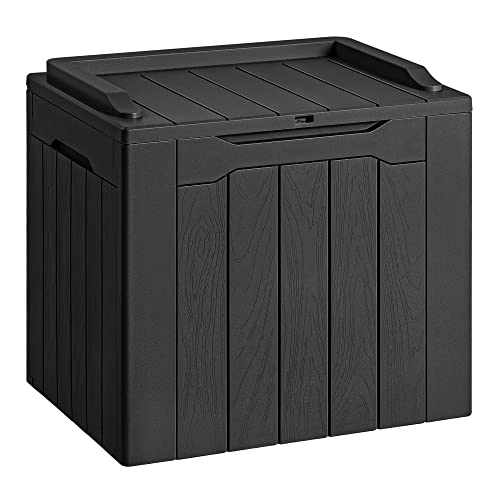
Waterproof Outdoor Storage Container: The Complete Buying Guide
Protect your patio cushions, tools, and outdoor essentials from rain, UV rays, and seasonal wear. Learn how to choose the right waterproof outdoor storage container with our expert breakdown of materials, sealing systems, sizes, and tier-based recommendations.
Explore Top PicksWhy waterproof matters: A standard storage box keeps clutter out of sight, but only a genuinely waterproof outdoor storage container keeps your belongings dry through heavy rain, humidity, and snowmelt. This guide explains the features that separate a true weatherproof container from a merely weather-resistant one, so you can buy with confidence.
What Makes a Storage Container Truly Waterproof?
Many products are labeled "water-resistant," but true waterproof performance depends on how the lid, base, and seams work together. Before comparing models, understand the four components that determine whether your gear stays dry:
1. Lid Sealing and Gasket Design
The lid is the first line of defense. A premium waterproof outdoor storage container uses either a continuous rubber gasket or an overlapping lip that channels water away from the opening. Entry-level boxes often rely on a simple fitted lid, which sheds light rain but can let moisture in during wind-driven storms. Mid-range and top-tier models typically add a gasket seal plus a slight dome or slope to the lid so water cannot pool on top.
2. Material and Finish
Resin and high-density polyethylene are naturally non-porous and resist rot, rust, and UV fading. Powder-coated steel and aluminum offer structural strength and a rust-proof finish when the coating is intact. For a deeper comparison of outdoor materials, see our outdoor materials guide. Whichever material you choose, look for sealed seams and rust-proof hardware such as stainless steel hinges and latches.
3. Raised Base and Drainage
Even a well-sealed box can fail if it sits in standing water. A raised base lifts the container off wet decks and patios, allowing air to circulate underneath. Some models include integrated drainage channels that direct water away from the floor of the box. This detail is especially important on concrete patios and wooden decks where puddles form after storms.
4. Weight Capacity and Structure
If you plan to use the container as a bench or side table, check both the internal load rating and the top-load capacity. Reinforced lids with internal ribs support seating, while flimsier lids may flex under weight. Heavy-duty and commercial-grade containers are built with thicker walls and stronger hinge hardware to handle daily use.
Comparing Storage Container Tiers
Use this tier-based comparison to match a container to your needs. The tiers reflect relative market positioning and build quality, not absolute figures.
| Tier | Best For | Key Characteristics |
|---|---|---|
| Entry-Level | Light use, covered porches, small cushion sets | Resin construction, fitted lid, basic UV resistance, lighter load capacity |
| Mid-Range | Year-round deck storage, full cushion sets, garden tools | Gasket-sealed lid, raised base, reinforced hinges, solid UV-stable resin or coated metal |
| Premium | Exposed patios, large sectional cushions, dual-use seating | Heavy-duty walls, water-shedding domed lid, stainless hardware, bench-rated top load |
| Commercial-Grade | High-traffic outdoor areas, poolside use, multi-season exposure | Professional-grade sealing, reinforced structure, corrosion-proof fasteners, long service life |
Choosing the Right Size for Your Patio
Size is the most common source of buyer regret. A container that is too small forces you to stack cushions under compression, which flattens filling and shortens cushion life. Measure before you shop:
Measure Your Largest Items First
Stack your lounge chair cushions, throw pillows, and covers as you would store them, then measure the height, width, and depth of that stack. Add a few inches of clearance on each side so you can slide items in without forcing them. If you store garden tools or pool accessories alongside cushions, group everything together for a single measurement.
Match Capacity to Your Furniture Set
- Bistro or two-chair set: A compact deck box holds folded seat cushions and small covers.
- Lounge chairs or chaise lounges: A mid-sized container accommodates two to four long cushions when stacked flat.
- Sectional or dining set: A large container or a water-resistant outdoor storage cabinet provides vertical space and easier access for bulky cushions.
For cushions that need extra protection, pair your container with dedicated waterproof outdoor furniture cushions and consider how they compress when stored.
Waterproof Storage Container Buying Checklist
Before You Buy, Confirm These Features
- Sealed lid: Gasket or overlapping lip that blocks wind-driven rain.
- Non-porous material: UV-stable resin, powder-coated aluminum, or high-grade steel with rust-proof finish.
- Raised base: Keeps the box off wet surfaces and improves airflow.
- Rust-proof hardware: Stainless steel or coated hinges, latches, and screws.
- Weight rating: Check both internal capacity and top-load capacity if used as seating.
- Ventilation: Some premium models include breathable vents that release trapped humidity without letting water in.
- Security: Lockable latches deter wildlife and protect tools.
If you also need to protect furniture that stays outside, review our guide to waterproof outdoor furniture covers and weatherproof outdoor furniture covers to build a complete protection plan.
Material Deep Dive: Resin vs. Metal vs. Wood
Resin and High-Density Polyethylene
Resin is the most popular choice for a waterproof outdoor storage container because it never rots, resists rust, and tolerates UV exposure well. Mid-range and premium resin boxes often include double-wall construction for rigidity and insulation against temperature swings. The main trade-off is that entry-level resin can become brittle in extreme cold, so choose a UV-stabilized, cold-rated model if you live in a harsh climate.
Powder-Coated Steel and Aluminum
Metal containers offer a more refined look and superior structural strength. Aluminum is naturally corrosion-resistant, while steel requires a powder-coated or galvanized finish to prevent rust. Premium metal boxes use sealed seams and stainless hardware to maintain waterproof performance over years of exposure. Metal is a strong choice if you want a container that doubles as a bench or table on an exposed patio.
Wood and Composite
Teak and cedar have natural water resistance, while composite lumber blends wood fiber with resin for low maintenance. A wooden storage box can be beautiful, but it requires annual sealing to stay waterproof. Composite options deliver a similar aesthetic with better moisture resistance. If you enjoy natural materials elsewhere on your patio, browse our teak lounge chairs and weather-resistant outdoor bench for complementary pieces.
Placement and Long-Term Care Tips
Even the best container benefits from smart placement. Position it on a level, well-drained surface and avoid low spots where water collects. If your patio floods seasonally, set the container on a small raised platform or pavers to keep the base dry.
Clean the lid and gasket periodically with mild soap and water to remove debris that can break the seal. Inspect hinges and latches each season for looseness or corrosion. During winter, clear heavy snow from the lid to prevent warping, and store cushions only after they are fully dry to avoid trapped moisture and mildew.
If you store cushions inside the container, consider adding a moisture absorber packet and checking them monthly. For additional storage ideas, see our guide to cushion storage solutions. Pairing a waterproof container with a waterproof outdoor box for smaller accessories keeps your entire patio organized.
Frequently Asked Questions
What makes an outdoor storage container truly waterproof?
A truly waterproof container relies on a sealed lid with a gasket or overlapping lip, rust-proof hardware, and non-porous materials such as high-grade resin or powder-coated metal. Look for models with raised bases and water-shedding tops so moisture cannot pool or seep inside.
How much weight can a waterproof outdoor storage box hold?
Load ratings vary by tier. Entry-level resin boxes typically handle lighter loads such as cushions and garden tools, while premium and commercial-grade benches are reinforced to support seating for multiple adults. Always check the manufacturer's stated weight limit for both contents and top-load capacity.
Can I leave a waterproof storage container outside all winter?
Yes, provided it is a weather-resistant model designed for year-round exposure. Resin and high-grade steel with rust-proof finishes tolerate freezing temperatures, snow, and UV exposure well. In extreme climates, placing the container on a raised base and clearing heavy snow from the lid extends its lifespan.
What size storage container do I need for patio cushions?
Measure your largest cushion stack before buying. A mid-tier 100 to 150-gallon deck box generally fits a full set of lounge chair cushions, while a 200-gallon or larger container suits sectional or dining set cushions. When in doubt, size up so you can stack without compressing the filling.
Ready to Protect Your Patio Essentials?
Our recommended waterproof outdoor storage containers are selected for sealing performance, durable construction, and long-term weather resistance. Explore the top picks below and choose the tier that fits your space.
View Recommended Containers