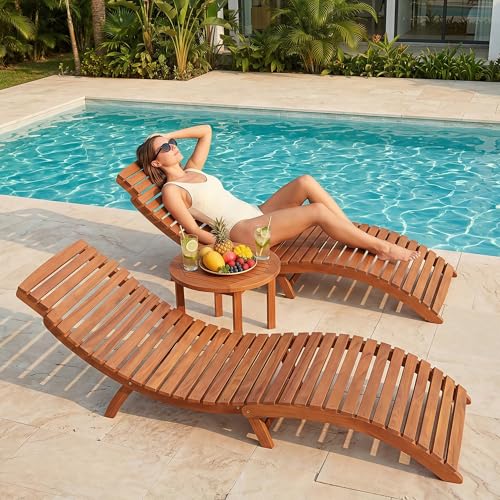
Teak Lounge Chairs: The Complete Buying Guide for Outdoor Relaxation
Discover how to choose the right teak lounge chairs for your patio, deck, or garden. Learn about grades, comfort features, care routines, and smart buying strategies to invest confidently in outdoor furniture that lasts for years.
Why teak? Teak lounge chairs are a long-term investment in comfort and style. The natural oils in teak make it naturally weather-resistant, and its tight grain holds up beautifully to sun, rain, and seasonal changes. Whether you are upgrading a poolside retreat or creating a quiet reading corner on your patio, understanding what separates entry-level teak from top-tier teak will help you choose a piece that fits your outdoor lifestyle perfectly.
Why Choose Teak for Lounge Chairs?
Teak has been the preferred wood for outdoor furniture for generations, and for good reason. Its natural oils—particularly teak oil and rubber—create a built-in barrier against moisture, rot, and insect damage. Unlike many woods that require constant sealing, teak can be left outdoors year-round with minimal intervention. Over time, untreated teak develops a beautiful silver-grey patina that many homeowners find even more appealing than the original honey-gold tone.
Beyond weather resistance, teak is remarkably stable. It expands and contracts less than most hardwoods when exposed to temperature fluctuations, which means joints stay tight and the frame remains structurally sound through seasonal changes. For lounge chairs specifically—where weight distribution and frame integrity are critical—this stability translates to long-term comfort and safety.
Teak vs. Other Outdoor Woods
When comparing teak to alternatives like eucalyptus, acacia, or shorea, teak consistently ranks higher for density and natural oil content. Eucalyptus is a solid mid-range option with good weather resistance, while acacia offers a distinctive grain but may require more frequent oiling. Shorea (often marketed as "Brazilian teak") is a more accessible entry-level choice, though it typically has a shorter lifespan than genuine teak.
Teak vs. Metal and Synthetic Materials
Metal lounge chairs—aluminum or steel—offer lightweight portability but can become uncomfortably hot in direct sun and may develop rust if finishes chip. Synthetic wicker and resin chairs are low-maintenance but may fade or crack over time under intense UV exposure. Teak sits in a unique position: it is warm to the touch, naturally repels moisture, and ages gracefully. If you are considering other materials, you may want to explore our materials guide for a broader comparison of outdoor furniture options.
Key Buying Criteria: From Frame to Finish
Not all teak lounge chairs are created equal. The quality of the wood, the construction methods, and the finishing details all influence how comfortable the chair will be and how long it will last. Use the criteria below to evaluate options systematically.
1. Wood Grade and Origin
Teak is typically graded as Grade A, Grade B, or Grade C. Grade A teak comes from the heartwood of mature trees, featuring tight grain, uniform color, and minimal knots. Grade B may include some sapwood and minor imperfections, while Grade C often contains larger knots and more color variation. For lounge chairs that will be exposed to the elements, Grade A teak is the preferred choice for longevity and appearance.
Origin also matters. Plantation-grown teak from Indonesia or Costa Rica is typically harvested sustainably and offers consistent quality. Look for certifications such as FSC (Forest Stewardship Council) if sustainability is a priority for you.
2. Joint Construction
Examine how the chair is assembled. Mortise-and-tenon joints are the gold standard for teak furniture—they provide exceptional strength and resist loosening over time. Screwed or nailed joints are more common in entry-level pieces and may require tightening or reinforcement after a few seasons. Dovetail joints are also a sign of high-quality craftsmanship.
3. Frame Thickness and Weight Capacity
Thicker frames generally indicate a more robust build. Pay attention to the dimensions of the legs, arms, and back supports. A sturdy teak lounge chair should feel solid and stable when you sit in it, with no wobble or flex. If the product listing provides a weight capacity, compare it against your needs and consider whether the chair will be used by multiple people of different sizes.
4. Finish and Surface Treatment
Teak can be left unfinished (to develop a natural patina) or finished with oil or a protective sealer. Factory-applied finishes may offer initial protection but require maintenance to maintain. Unfinished teak is easier to rejuvenate—a light sanding and teak oil application can restore the original tone. Avoid chairs with thick, opaque lacquers, which can trap moisture and lead to peeling.
5. Comfort and Ergonomics
A lounge chair is only as good as its comfort. Look for ergonomic back angles (typically between 100 and 110 degrees for lounging), contoured seats, and adequate seat depth. If the chair comes with cushions, check that the cushion material is quick-drying and UV-resistant. For more on cushion selection, see our outdoor cushion guide.
6. Portability and Weight
Teak is a dense hardwood, so teak lounge chairs are generally heavier than aluminum or resin alternatives. If you plan to move the chairs frequently—for example, between sun and shade—consider models with wheels or a lighter frame profile. For stationary placements, the extra weight is a benefit, providing stability in windy conditions.
Teak Lounge Chair Tiers Explained
To help you navigate the market without relying on numeric figures, we have organized teak lounge chairs into three quality tiers. These tiers reflect relative positioning based on materials, construction, and features—not numeric figures. Use them as a framework for comparing options that fit your outdoor needs.
| Tier | Best For | Typical Characteristics |
|---|---|---|
| Entry-Level | Occasional use, covered patios, first-time teak buyers | Grade B or mixed-grade teak; screwed or stapled joints; simpler profiles; may require more frequent oiling; lighter frame dimensions |
| Mid-Range | Regular outdoor use, family patios, poolside relaxation | Grade A or premium Grade B teak; mortise-and-tenon or reinforced joints; ergonomic contours; UV-resistant cushions included; solid frame thickness |
| Top-Tier | Full-time outdoor exposure, luxury installations, long-term investment | Premium Grade A heartwood; precision joinery; hand-finished surfaces; integrated wheels or adjustable recline; superior weight capacity; exceptional grain consistency |
Entry-level teak lounge chairs are a sensible starting point if your outdoor space is covered or if you are testing teak for the first time. Mid-range models offer the best balance of durability and comfort for most homeowners, with construction details that hold up well to regular seasonal exposure. Top-tier chairs are designed for full-time outdoor living—think pool decks, uncovered terraces, and households that entertain frequently.
Comfort Features That Matter
Comfort is subjective, but certain design features consistently improve the lounging experience. When evaluating teak lounge chairs, look for the following:
Seat Depth and Height
A deeper seat (typically 20 to 24 inches) encourages reclining and full-body relaxation. Seat height should allow your feet to rest comfortably on the ground or on a footrest. If the chair is paired with a matching ottoman, verify that the heights align for proper leg support.
Backrest Angle
Lounge chairs are designed for reclining, so the backrest angle should be more relaxed than a dining chair. A fixed angle between 100 and 110 degrees works well for reading and conversation. Adjustable backrests offer more flexibility but introduce additional mechanical components that may wear over time.
Armrests
Wide, flat armrests provide a comfortable place to rest your arms and can double as a spot for a drink or a book. Curved armrests are visually elegant but may offer less usable surface area. Consider how you plan to use the chair—if you frequently hold a beverage, flat armrests are more practical.
Cushions and Padding
Many teak lounge chairs are sold with cushions, while others are designed to be used with separate cushions. Look for cushions with quick-drying foam and solution-dyed acrylic fabric, which resists fading and mildew. Removable, washable covers are a significant convenience. If you need replacement cushions for existing furniture, explore our guide to waterproof outdoor furniture cushions.
Recline Mechanisms
Some top-tier teak lounge chairs feature adjustable backrests with multiple locking positions. These mechanisms should operate smoothly and lock securely. Test the mechanism if possible, or read customer reviews that specifically mention the recline function. For a broader look at adjustable loungers, see our guide to outdoor chaise lounge chairs.
Care and Maintenance Essentials
One of the biggest advantages of teak is its low-maintenance nature. However, a small amount of care will keep your lounge chairs looking their best and extend their lifespan.
Cleaning
Regular cleaning with a mild soap solution and a soft-bristle brush is usually sufficient. Avoid pressure washing, which can erode the wood fibers and raise the grain. For deeper cleaning, a dedicated teak cleaner can remove dirt and restore the wood's natural color. Rinse thoroughly and allow the chairs to dry completely before use.
Oiling vs. Letting It Patina
Teak can be oiled annually to maintain its golden-brown color, or left untreated to develop a silver-grey patina. Oiling is a personal preference—it does not necessarily extend the life of the wood, but it does change the appearance. If you choose to oil, apply a thin coat of high-quality teak oil after cleaning and allow it to soak in. Wipe off any excess to avoid a sticky surface.
Seasonal Protection
During harsh winters or extended periods of non-use, consider covering your teak lounge chairs with breathable furniture covers. Avoid plastic covers that trap moisture, as this can lead to mold and mildew. For cover options, see our guide to waterproof outdoor furniture covers.
Cushion Care
Store cushions indoors during off-season months or when heavy rain is expected. Clean cushion covers according to the manufacturer's instructions, and allow them to air-dry completely before replacing them on the chair. Proper cushion care prevents mildew and extends the life of the fabric.
- Clean with mild soap and water every few months
- Inspect joints and tighten screws if necessary
- Apply teak oil annually if you prefer the original golden tone
- Store cushions indoors during winter or heavy rain
- Use breathable covers for extended outdoor storage
Styling Teak Lounge Chairs in Your Outdoor Space
Teak lounge chairs are versatile and pair well with a wide range of outdoor design styles. Their warm, natural tone complements both neutral palettes and bold accent colors.
Pairing with Other Furniture
Teak lounge chairs work beautifully alongside teak dining sets, wicker sofas, and metal accent tables. If you have a larger patio, consider creating a cohesive seating area by pairing two teak lounge chairs with a small side table and an outdoor rug. For inspiration, explore our guides to wicker seating and outdoor rugs.
Color and Accessory Choices
Teak's warm brown tone pairs well with earthy greens, soft blues, and crisp whites. Cushions in neutral shades like beige or cream create a calm, spa-like atmosphere, while brighter colors add a playful touch. Outdoor throw pillows and a lightweight throw blanket can add comfort and personality without overwhelming the natural beauty of the wood.
Creating a Focal Point
A pair of teak lounge chairs positioned near a fire pit or water feature can become the focal point of your outdoor space. If you are considering a fire pit, our guide to outdoor fire pits can help you choose a style that complements your teak furniture.
Safety and Durability Considerations
Teak lounge chairs are generally very stable, but a few safety considerations are worth keeping in mind:
Weight Distribution
Ensure the chair is placed on a level surface to prevent tipping. If your patio has uneven pavers or a sloped deck, consider using furniture pads or shims to stabilize the chair. Avoid standing on the armrests or backrest, as this can compromise the frame over time.
Sun Exposure
While teak is highly resistant to UV damage, prolonged exposure to intense sun can cause the wood to dry out and develop small cracks (known as checking). This is a natural process and does not typically affect structural integrity, but regular oiling can minimize its appearance. Cushions should be made from UV-resistant fabrics to prevent fading.
Moisture and Mold
Teak's natural oils resist moisture, but standing water can still cause issues over time. Ensure that chairs have drainage holes or are designed to allow water to run off. After heavy rain, wipe down any standing water and allow the chairs to dry fully before use.
Weight Capacity
Check the manufacturer's weight capacity recommendation and choose a chair that comfortably accommodates all intended users. If the chair will be used by individuals with limited mobility, consider a model with a higher seat height and sturdy armrests for support.
Final Buying Checklist
Before you commit to a purchase, run through this checklist to ensure you have considered all the key factors:
- Wood grade: Is the teak Grade A or a high-quality Grade B? Is the origin disclosed?
- Joinery: Are the joints mortise-and-tenon, or at least reinforced with screws and glue?
- Frame thickness: Does the chair feel solid and stable without excessive flex?
- Comfort: Is the seat depth and back angle suitable for lounging? Are cushions included or available separately?
- Cushion quality: Are cushions quick-drying, UV-resistant, and removable for cleaning?
- Portability: Does the chair have wheels or a weight that you can manage if you need to move it?
- Care requirements: Are you prepared for annual oiling, or do you prefer to let the wood patina naturally?
- Warranty: Does the manufacturer offer a warranty that covers structural defects?
- Reviews: Are there consistent positive reviews about durability and comfort?
Frequently Asked Questions About Teak Lounge Chairs
How long do teak lounge chairs last?
With proper care, high-quality teak lounge chairs can last for decades. Teak's natural oils and dense grain make it highly resistant to rot, insects, and weather damage. Entry-level models may have a shorter lifespan, but even those can last many years with regular maintenance.
Do I need to oil my teak lounge chairs?
Oiling is optional. It helps maintain the original golden-brown color but is not required for structural integrity. If you prefer the silver-grey patina that teak develops over time, you can skip oiling entirely. If you do oil, apply a thin coat annually after cleaning.
Can teak lounge chairs stay outside year-round?
Yes, teak is designed for outdoor use and can remain outside in most climates. However, in regions with harsh winters, covering the chairs or storing them in a sheltered area can extend their lifespan. Always use breathable covers to prevent moisture buildup.
What is the difference between Grade A and Grade B teak?
Grade A teak comes from the heartwood of mature trees and features tight grain, uniform color, and minimal knots. Grade B may include some sapwood and minor imperfections. For lounge chairs that will be exposed to the elements, Grade A is preferred for its superior durability and appearance.
How do I clean teak lounge chairs?
Use a mild soap solution and a soft-bristle brush to remove dirt and grime. Avoid pressure washing, which can damage the wood fibers. Rinse thoroughly and allow the chairs to dry completely. For deeper cleaning, use a dedicated teak cleaner.
Are teak lounge chairs comfortable without cushions?
Teak lounge chairs are designed with ergonomic contours, but most people prefer to add cushions for extra comfort. Cushions also add a layer of personal style. If you plan to use the chairs without cushions, look for models with smoothly sanded surfaces and contoured seats.
Can I paint teak lounge chairs?
Yes, teak can be painted, but it requires proper preparation. The natural oils in teak can prevent paint from adhering well, so the wood must be cleaned and sanded thoroughly before applying a primer and exterior-grade paint. Keep in mind that painting may void the manufacturer's warranty.
How do I know if teak is sustainably sourced?
Look for certifications such as FSC (Forest Stewardship Council) or PEFC (Programme for the Endorsement of Forest Certification). Many reputable brands disclose their sourcing practices on their websites. If sustainability is a priority, check the product listing or contact the manufacturer directly.
Ready to Elevate Your Outdoor Relaxation?
You now have the knowledge to choose teak lounge chairs with confidence. Whether you are drawn to the natural patina of untreated teak or the polished look of a premium finish, investing in quality construction will pay off in comfort and durability for years to come.
Explore Recommended Teak Lounge Chairs