Outdoor Fire Pits: The Complete Buying & Design Guide
Everything you need to choose the right fire pit for your patio — fuel types, materials, sizing, safety, and styling — so you can enjoy warm evenings outdoors with total confidence.
Why read this guide? An outdoor fire pit is one of the most rewarding additions to any backyard. It extends your patio season into cooler months, anchors your seating area, and creates a natural gathering point for family and friends. But with hundreds of models available — wood-burning, propane, natural gas, steel, cast iron, stone, and more — choosing the right one can feel overwhelming. This guide breaks down every decision so you can buy with clarity and confidence.
Why Add an Outdoor Fire Pit to Your Patio?
A fire pit transforms a patio from a daytime-only space into a year-round destination. Beyond warmth, it adds ambiance, encourages conversation, and gives your outdoor layout a natural focal point. Homeowners often pair a fire pit with a seating arrangement built around comfort — for example, a sectional with a built-in fire pit or an L-shaped outdoor couch with a fire pit creates a cohesive conversation zone. If you prefer a dining-centered layout, an outdoor dining set with a gas fire pit blends meals and warmth in one footprint.
Fire pits also work as design anchors. They visually organize a patio, define the edge of a seating area, and give you a reason to invest in complementary pieces like conversation sets with a fire pit. Whether your style is rustic, modern, or coastal, a well-chosen fire pit ties the space together.
Fuel Types: Wood, Propane, or Natural Gas?
The fuel type is the single most important decision you will make. It affects heat output, maintenance, placement, and the overall experience. Here is how the three main options compare.
Wood-Burning Fire Pits
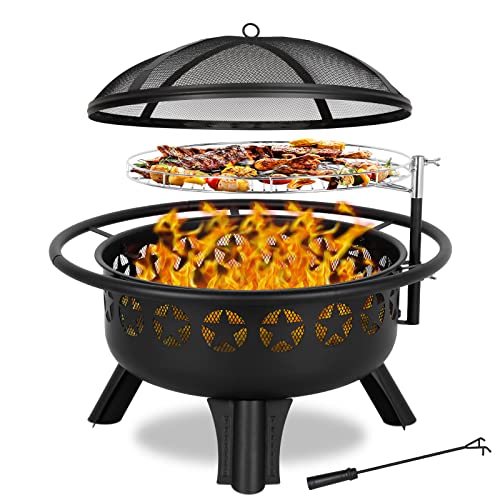
Wood-burning fire pits deliver the classic crackling fire experience — authentic crackle, visible flames, and a smoky aroma. They produce strong radiant heat and are ideal for rustic or traditional patios. The trade-offs are real: you need a steady supply of seasoned firewood, you must manage ash and embers, and smoke can be an issue in tight spaces or on windy evenings. Many communities also have burn restrictions during dry seasons. If you want the traditional experience and have the space, a wood-burning model is hard to beat.
Propane Fire Pits
Propane fire pits are the most popular choice for patios because they start instantly, produce no smoke or embers, and are easy to shut off. They run on refillable propane tanks, which can be hidden inside the base of many models. Heat output is controllable and consistent. Propane models are generally permitted where wood burning is restricted, making them a practical choice for urban and suburban patios. The main consideration is ongoing fuel replenishment and tank storage.
Natural Gas Fire Pits
Natural gas fire pits connect directly to your home's gas line, eliminating the need for tanks and refills. They offer the same smokeless, instant-on convenience as propane with a lower long-term operating profile. The catch is installation: you will need a licensed professional to run a gas line to the patio, and the fire pit must be permanently placed. For homeowners planning a long-term patio investment, natural gas is often the most seamless option.
Fuel Type Comparison
| Fuel Type | Best For | Ambiance | Maintenance Level |
|---|---|---|---|
| Wood | Rustic patios, traditional settings, large yards | Authentic crackle, visible flames, smoky aroma | Higher — ash cleanup, wood supply, ember control |
| Propane | Urban and suburban patios, apartments with decks | Clean, consistent flame with adjustable height | Low — tank refills, occasional burner cleaning |
| Natural Gas | Permanent patio installations, long-term homes | Clean, consistent flame with instant ignition | Lowest — no tanks, minimal routine upkeep |
Materials: What Lasts and What to Avoid
The material of your fire pit determines how long it lasts, how it ages, and how well it handles heat and weather. Here is a breakdown of the most common options, organized by tier.
Powder-Coated Steel
Solid build for starter patios. Lightweight and easy to move. Requires a cover and touch-up care in humid climates.
Heavy-Gauge Steel & Aluminum
Durable construction with better heat retention. Aluminum resists rust well; steel offers stronger radiant heat. Good value for its tier.
Cast Iron & Stainless Steel
Excellent heat retention and longevity. Stainless steel excels in coastal and humid climates. Feature-rich for its class.
Stone, Concrete & Copper
Permanent installations with visual weight. Copper develops a natural patina. Best for landscape-integrated designs.
For a broader comparison of outdoor material durability, see our materials guide. If your fire pit sits near seating that needs protection, pair it with waterproof outdoor furniture covers and water-resistant storage for cushions and accessories.
Size, Shape, and Placement
Size affects both comfort and safety. A fire pit that is too small will not heat the seating area, while one that is too large can overwhelm a compact patio.
- Small patios (under 150 sq ft): Choose a 24–30 inch diameter portable fire pit or a compact tabletop model. Keep seating within 3–5 feet of the pit edge.
- Medium patios (150–300 sq ft): A 30–36 inch fire pit works well with a four-piece seating set or a conversation set.
- Large patios (300+ sq ft): A 36–48 inch fire pit or a built-in stone surround can anchor a full lounge layout with sofas and side tables.
Placement matters as much as size. Keep the fire pit at least 7–10 feet from structures, overhanging branches, and combustible materials. On decks, use a heat-resistant mat or stone base and confirm the model is approved for deck use. For patio layouts that combine lounging and dining, a L-shaped patio furniture arrangement around a fire pit creates a natural conversation zone. If you want flexibility, consider a portable outdoor fireplace that can be repositioned seasonally.
Quick Placement Checklist
✔ 7–10 feet clearance from buildings and branches | ✔ Level, heat-safe surface | ✔ Away from doorways and walkways | ✔ Out of prevailing wind if wood-burning | ✔ Accessible for ash or tank maintenance
Safety Essentials Before You Buy
Fire pit safety starts with the purchase decision. Look for models with spark screens, sturdy bases, and clear manufacturer clearance guidelines. For wood-burning pits, burn only seasoned hardwood and never leave the fire unattended. Keep a fire extinguisher or bucket of sand nearby, and teach children and guests to maintain a safe distance.
Gas models require leak checks before first use and periodic inspection of hoses and connections. If you install a natural gas line, use a licensed professional and follow local codes. Many municipalities require permits for permanent fire features. Finally, check seasonal burn bans — even a well-maintained wood pit cannot be used during restrictions.
Mosquitoes can shorten an evening faster than cool air. Pair your fire pit with a mosquito control strategy for a more comfortable patio experience.
Design and Styling Ideas
A fire pit should feel integrated with your patio, not added on. Start with the seating radius: arrange chairs and sofas so every seat has a clear view of the flames. Low-profile lounge chairs and weather-resistant benches work well around a central pit. Add a side table for drinks, a weather-resistant bench for overflow seating, and soft lighting to extend the evening.
For a cohesive look, match the fire pit material to your other outdoor pieces. A metal outdoor dining table or a vintage wrought-iron side table complements steel and cast iron fire pits. If your patio leans natural, a weather-resistant bench or wicker seating pairs well with stone and copper surrounds. Finish the layout with an outdoor cushion guide to choose fabrics that hold up to heat and weather.
For a more complete outdoor living setup, explore our outdoor living section and browse conversation sets that work well around a fire feature.
Which Tier Should You Choose?
Use this simple framework to match a fire pit tier to your situation.
Starter Patios & Renters
Portable powder-coated steel or aluminum models. Easy to move, easy to store, and well-specified for the category.
Family Patios & Regular Use
Heavy-gauge steel or propane models with spark screens and adjustable flame. Solid choice for the tier.
Design-Focused Patios
Stainless steel or cast iron with premium finishes. Excellent heat retention and long-term durability.
Permanent Landscape Features
Stone, concrete, or copper surrounds with integrated gas lines. A long-term investment in your outdoor space.
Frequently Asked Questions
What is the best fuel type for an outdoor fire pit?
The best fuel type depends on your priorities. Wood-burning fire pits offer authentic ambiance and higher heat output but require more maintenance and produce smoke. Propane and natural gas models provide instant, smokeless flames with easy control, making them ideal for patios and areas with restricted wood burning.
Which material is most durable for an outdoor fire pit?
Cast iron, stainless steel, and heavy-gauge steel are among the most durable materials. Cast iron and steel offer excellent heat retention but require rust protection, while stainless steel resists corrosion best in humid or coastal climates. Stone and concrete surrounds add permanence and visual weight but suit permanent installations best.
How much clearance is needed around a fire pit?
A minimum of 7 to 10 feet of clearance from structures, plants, and combustible materials is recommended for portable fire pits. For permanent installations, follow local codes and maintain at least 10 feet of clearance from buildings and overhanging branches.
Are gas fire pits safer than wood-burning fire pits?
Gas fire pits are generally considered safer for patios because they produce no embers or sparks and can be shut off instantly. However, they still require proper ventilation and clearance from combustibles. Both types are safe when installed and used according to manufacturer guidelines and local regulations.
Can an outdoor fire pit be used on a wooden deck?
Portable fire pits can be used on a wooden deck only with a proper heat-resistant barrier such as a fire pit mat or patio stone base, and only if the fire pit is elevated and approved for deck use. Gas models are generally better suited to decks than wood-burning models. Always check local fire codes before use.
Ready to Choose Your Fire Pit?
Browse our recommended outdoor fire pits below, compare features, and find the right fit for your patio layout and lifestyle.
Explore Fire Pit Options