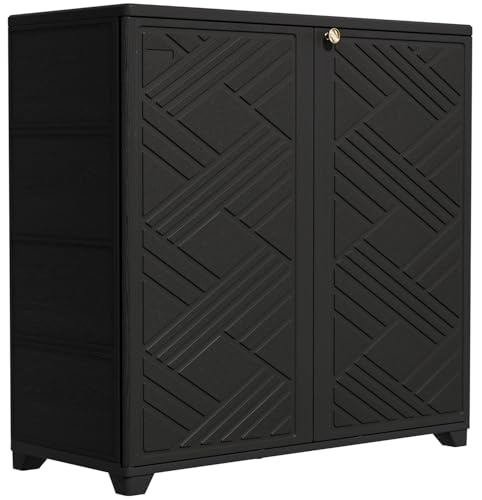
Water Resistant Outdoor Storage Cabinet: Protect Your Patio Essentials
Discover how to choose a weather-ready storage cabinet that keeps cushions, tools, and outdoor gear dry through every season.
START THE GUIDEWhy it matters: A water resistant outdoor storage cabinet is one of the smartest upgrades for any patio or deck. It protects fabric cushions, grill accessories, garden tools, and seasonal decor from rain, humidity, and UV exposure — extending the life of the items you have already invested in.
If you have ever pulled soggy cushions out of a storage box after a storm, you already understand the value of a properly sealed cabinet. A water resistant outdoor storage cabinet is different from a basic plastic bin: it is engineered with gaskets, sealed seams, raised bases, and moisture-shedding surfaces so that rain runs off rather than seeping in. For homeowners who keep their patio in active use, that difference is the line between gear that lasts many seasons and gear that needs replacing every year.
This guide walks through the materials, door systems, ventilation, anchoring, and capacity options that actually matter — and helps you match a cabinet to your climate, your patio size, and the items you need to store. If you are still mapping out your overall outdoor setup, our broader outdoor care hub is a useful companion read before you commit to a storage plan.
What "Water Resistant" Really Means
The term gets used loosely, so it helps to know the distinctions before you compare models:
- Water resistant — designed to resist rain, splashes, and humidity. Seams are sealed, doors have gaskets, and the interior stays dry in normal weather exposure. This is what most outdoor cabinets on the market achieve.
- Waterproof — capable of keeping water out even under sustained heavy exposure or brief submersion. Rare in furniture-style cabinets, and usually limited to heavy-duty resin chests with full rubber seals.
- Weather resistant — a broader label covering water, UV, and temperature resistance. A good outdoor cabinet should ideally be both water resistant and UV resistant.
For patio use, a well-built water resistant cabinet is the practical target. It will handle rain showers, morning dew, and humid summers — the conditions most decks and patios actually face. If your cabinet will sit fully exposed with no overhang, prioritize models that explicitly state rain protection and include a lid or door gasket. Pairing the cabinet with a compatible cover, such as the options covered in our waterproof outdoor furniture covers guide, adds an extra layer of protection for extreme weather.
Materials: Which Cabinet Survives the Outdoors?
Material choice drives moisture resistance more than any other factor. Here is how the common options compare:
| Material | Tier Positioning | Moisture Behavior | Best For |
|---|---|---|---|
| Resin / High-Density Polyethylene | Entry-level to mid-range | Inherently non-absorbent; molded one-piece bodies resist rain well | Covered patios, humid climates, low-maintenance households |
| Powder-Coated Steel | Mid-range to premium | Strong and secure; sealed seams and rust-proof finish are essential | Security-conscious buyers, windy decks, tool storage |
| Aluminum | Mid-range to high-end tier | Will not rust; lightweight and corrosion-resistant | Coastal areas with salt air, frequent rearranging |
| Teak / Acacia (sealed) | Premium to luxury | Naturally water-repellent oils; needs periodic re-sealing | Design-forward patios, matching existing wood furniture |
| Engineered Wood / MDF (outdoor-rated) | Entry-level to mid-range | Only reliable when fully encapsulated and sealed; weakest option | Sheltered porches and covered balconies only |
Resin remains the most forgiving choice for consistent moisture resistance, while powder-coated steel and aluminum bring strength and security. If your patio furniture is wood, a matching sealed wood cabinet looks cohesive — just plan on re-sealing it yearly. For more on how different materials age outdoors, see our materials guide.
Key Buying Factors to Evaluate
Sealed Doors & Gaskets
Rubber or silicone gaskets around doors are the single most important water-resistance feature. Look for overlapping door edges that shed water rather than channel it inward.
Raised Base
A cabinet that sits directly on the ground wicks moisture from the deck or patio. Feet or a recessed plinth keep the body above puddles and splashing.
Ventilation
Fully sealed cabinets can trap humid air. Small vents with insect mesh allow airflow while blocking water — important for cushions and textiles.
Hinges & Latches
Stainless steel or powder-coated hardware resists rust. Self-latching doors hold tight in wind and keep the seal compressed.
UV Resistance
Sun degrades plastics and fades finishes. UV-stabilized resin and powder coatings prevent cracking that eventually lets water in.
Anchoring Options
Tall cabinets catch wind. Pre-drilled anchoring points or wall-mount brackets are worth checking if your patio is exposed.
Sizing: Match the Cabinet to What You Store
Measure your items before shopping — not after. Cushions, in particular, look compact on the sofa but take up significant volume when stacked. As a rough guide:
- Compact deck boxes (under 50 gallons) — best for grill tools, small cushions, pool toys, and garden gloves. Good fit for balconies and small patios.
- Mid-size cabinets (50–100 gallons) — the sweet spot for most households, holding a set of dining chair cushions plus tools and accessories.
- Full-height wardrobes and storage sheds (100+ gallons) — for patio furniture covers, large lounge cushions, folding chairs, and seasonal decor. These occupy real floor space, so plan placement first.
If your goal is mainly cushion protection during rainy weeks, a dedicated cushion storage approach may suit you better than a full cabinet — see our cushion storage guide. For larger volumes of gear, a waterproof outdoor storage container can complement a cabinet nicely. For simple, lid-style protection with an easy open-and-toss design, a waterproof outdoor box is the classic alternative.
Placement and Setup for Maximum Protection
Even a great cabinet performs poorly in a bad spot. Follow these placement rules:
- Elevate it. Set the cabinet on patio pavers, a low deck platform, or its own feet — never directly on soil or bare wood.
- Avoid roof runoff. Position it away from drip lines and downspouts where concentrated water falls.
- Use the overhang. Under a pergola, awning, or porch roof, a cabinet's effective weather protection improves dramatically.
- Leave a gap from walls. A few inches of air circulation behind and beside the unit prevents trapped dampness.
- Anchor in exposed spots. Secure tall cabinets to a wall or deck rail if your patio gets strong winds.
Store dry items only. Putting damp cushions into a sealed cabinet creates a humid microclimate — let everything air-dry fully first, and consider a rechargeable moisture absorber for year-round humidity control.
Seasonal Maintenance That Extends Cabinet Life
Quick seasonal checklist
- Monthly: Wipe door seals clean; debris trapped in gaskets breaks the water barrier.
- Quarterly: Check hinges, latches, and anchor points for looseness or rust.
- Before rainy season: Inspect seals for cracks, re-seal wood surfaces, and confirm the base is clear of standing water.
- After storms: Open the cabinet, air it out, and dry any condensation before restocking.
- Annually: Reapply sealant on wood cabinets and touch up powder coating chips to prevent rust creep.
Maintenance is modest but pays off. A cabinet that stays sealed and dry typically serves for many seasons, making it a sensible long-term investment for any outdoor space. If you are protecting furniture as well as storing accessories, our guide to weatherproof outdoor furniture covers covers complementary protection strategies.
Common Mistakes to Avoid
- Assuming "outdoor" means waterproof. Verify the stated weather rating and gasket details — not just the product category.
- Ignoring drainage. A cabinet sitting in a low spot collects water at its base. Check patio slope before placing it.
- Overfilling. Forcing lids or doors shut compresses seals unevenly and creates gaps. Leave a little headroom.
- Storing damp items. Moisture inside is often worse than moisture outside. Dry first, then store.
- Skipping anchoring. A windblown cabinet is a damaged cabinet — and a hazard. Anchor exposed units.
Frequently Asked Questions
What does water resistant mean for an outdoor storage cabinet?
It means the cabinet resists rain, splashes, and humidity so contents stay dry in normal weather. Sealed seams, door gaskets, and raised bases are the features that deliver that protection. It is not designed for submersion.
Which material is best for a water resistant outdoor storage cabinet?
Resin and high-density polyethylene offer the most consistent moisture resistance with the least upkeep. Powder-coated steel and aluminum add strength and security when properly sealed. Treated and sealed teak or acacia works well if you are comfortable with annual re-sealing.
How do I keep an outdoor storage cabinet dry inside?
Choose gasketed doors, place the cabinet on a raised base away from runoff, keep a small air gap from walls, and add a moisture absorber in humid months. Always store items fully dry.
Can a water resistant cabinet stay outside all year?
Yes — most resin and powder-coated metal cabinets are built for year-round outdoor use. Confirm the manufacturer's weather rating, anchor the unit, and inspect seals each season to maintain protection.
Once you have chosen the right size, material, and location, the purchase decision becomes straightforward. Below you will find a curated selection of water resistant outdoor storage cabinets to compare — evaluate each against the factors above, and pick the one that matches your climate and capacity needs.