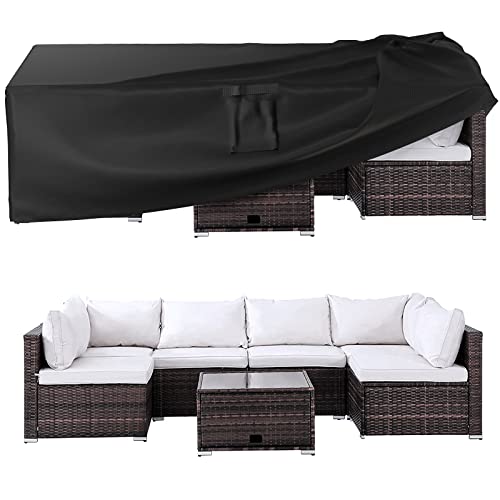
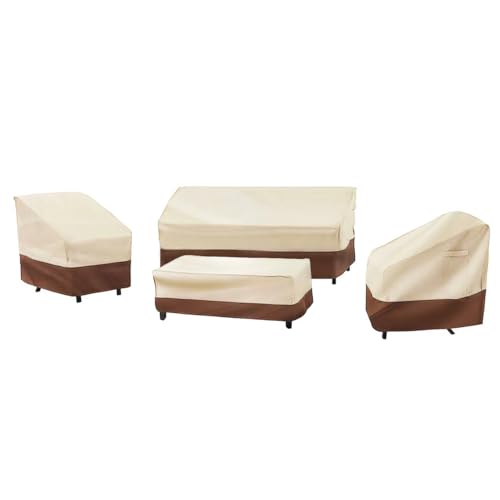
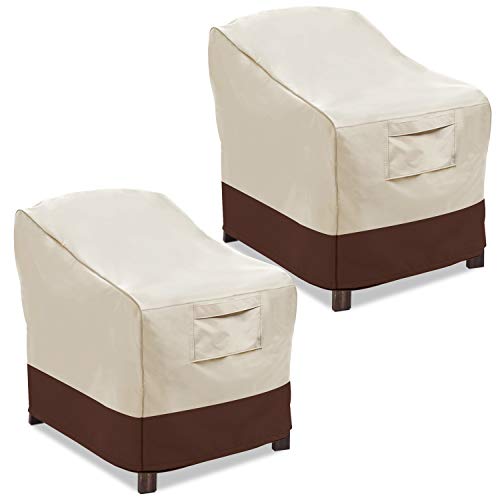
Waterproof Outdoor Furniture Covers: The Complete Buying Guide
Protect your patio investment from rain, sun, dust, and seasonal wear. Learn how to choose covers that fit correctly, breathe properly, and last through years of outdoor exposure.
Why Waterproof Outdoor Furniture Covers Matter
Outdoor furniture faces constant exposure to sun, rain, humidity, dust, bird droppings, and temperature swings. Over time, these elements break down fabrics, corrode metal frames, fade finishes, and encourage mold growth. A well-chosen cover acts as a barrier, reducing the frequency of deep cleaning and slowing material degradation.
The key word is "waterproof" — but not all covers marketed as waterproof perform the same. A top-tier cover balances water resistance with breathability so that trapped moisture can escape. If you are also refreshing the seating itself, pairing covers with waterproof outdoor furniture cushions creates a layered defense that keeps interiors dry and ready to use.
Consider the broader picture: covers protect not just the frame and cushions, but also moving parts like hinges, glides, and adjustable mechanisms. Even a premium-grade lounge chair benefits from a cover during off-season storage or heavy weather.
Cover Materials Explained
The fabric determines how well a cover repels water, resists UV damage, and allows airflow. Understanding the trade-offs helps you match a cover to your climate and furniture type.
Polyester with PVC or Polyurethane Coating
This is the most common construction for mid-range and top-tier covers. The woven polyester provides strength, while the coating adds water resistance. Quality varies significantly: a heavier denier fabric with reinforced seams will outperform a light shell. Look for covers with taped or heat-sealed seams, as stitching alone creates tiny channels for water to pass through.
Canvas and Duck Cloth
Heavy cotton canvas is breathable and durable, often used in premium and luxury covers. It handles water well when treated with a water-repellent finish, but it needs periodic re-treatment. Canvas covers are ideal for climates with moderate rain and strong sun, where breathability is more important than total water blocking.
Ripstop Nylon
Lightweight and strong, ripstop nylon is often used in entry-level and travel-friendly covers. It packs small and resists tearing, but it may not hold up as long under constant UV exposure unless it includes a UV-resistant coating.
Non-Woven Polypropylene
Often found in essential-tier covers, this material is water-resistant and breathable but less durable under prolonged sun. It works well for short-term protection and seasonal storage.
Getting the Fit Right
A cover that is too loose flaps in the wind, collects water in sagging pockets, and wears out faster. A cover that is too tight can trap moisture and stress seams. Correct fit is arguably more important than fabric choice.
How to Measure
- Measure the widest point of the furniture, including armrests and any protruding legs.
- Measure the depth from front to back at the widest point.
- Measure the height from the ground to the highest point, including backrests and umbrellas if applicable.
- Add a small allowance — roughly a few inches — for airflow and ease of removal.
Many covers include adjustable hem cords, buckles, or elastic corners. These features keep the cover snug without over-compressing the furniture. If your set includes a table that stays assembled, choose a cover designed for the full footprint rather than a generic size. For benches and long seating, a dedicated weather-resistant outdoor bench cover will fit better than a one-size-fits-all option.
Custom vs Universal Fit
Universal covers are convenient and often more widely available, but custom or semi-custom covers provide a closer fit. If your furniture has unusual proportions — such as a deep sectional or a high-back rocking chair — a custom-fit cover is usually worth considering. The same logic applies to waterproof outdoor rocking chair cushions, where accurate dimensions matter for both comfort and protection.
Cover Tiers at a Glance
Use this table to compare cover categories without relying on numbers. Each tier reflects relative market position, material quality, and expected lifespan under normal outdoor conditions.
| Tier | Typical Materials | Best For | Durability |
|---|---|---|---|
| Essential tier | Non-woven polypropylene, light polyester | Short-term storage, mild climates, occasional use | Basic weather resistance; shorter lifespan |
| Balanced tier | Coated polyester, ripstop nylon | Year-round patio use in moderate climates | Good balance of breathability and water resistance |
| High-end tier | Heavy polyester, treated canvas | Frequent rain, strong sun, valuable furniture | Reinforced seams, UV resistance, longer lifespan |
| Luxury and professional-grade | Marine-grade canvas, multi-layer laminates | Coastal areas, extreme weather, commercial settings | Maximum protection, heavy-duty construction |
Breathability: The Hidden Factor
Waterproofing without breathability can be a trap. When warm air inside the cover meets a cooler outer surface, condensation forms. If that moisture cannot escape, mold and mildew can develop on cushions and frames — especially in humid climates.
Well-designed covers include vents, mesh panels, or breathable fabric sections that allow vapor to escape while blocking liquid water. This is why mid-range and high-end covers often outperform basic waterproof shells in real-world conditions.
Breathability also depends on furniture placement. If possible, position covered furniture where air can circulate around it. Avoid pressing covers tightly against walls or corners where moisture lingers. If you store cushions separately, a water-resistant outdoor storage cabinet can complement your cover strategy.
Matching Covers to Your Climate
Rainy and Humid Climates
Prioritize breathability plus water resistance. Look for vented covers with sealed seams. Avoid fully non-breathable shells unless they are designed with ventilation. Elevate furniture slightly where possible to prevent standing water at the base.
Sun-Intensive Climates
UV resistance is critical. Prolonged sun exposure breaks down fabrics and fades furniture finishes. High-end tiers with UV-stabilized coatings last longer in strong sun. Consider lighter-colored covers if heat buildup is a concern.
Snow and Freeze
In cold climates, covers should shed snow rather than hold it. A sloped or taut fit helps. Avoid covers that sag in the middle, as pooled water can freeze and stress seams. For furniture that stays outside through winter, choose heavy-duty construction with reinforced stress points.
Coastal and Windy Areas
Salt air and wind accelerate wear. Look for marine-grade materials, corrosion-resistant buckles, and secure strap systems. A cover that flaps in the wind abrades both itself and the furniture underneath.
Cleaning and Maintaining Covers
Covers need care too. Dirt, pollen, and bird droppings can degrade fabric and reduce water repellency. A simple routine extends cover life significantly.
- Brush off loose debris before washing.
- Wash with mild soap and water — avoid harsh detergents that strip coatings.
- Rinse thoroughly and air-dry fully before refitting.
- Inspect seams, straps, and buckles for wear during each cleaning.
- Reapply fabric water-repellent treatment if the cover begins to absorb water.
- Store covers dry during off-season to prevent mildew.
If your furniture includes fabric elements, follow the care guidance for those materials as well. Our outdoor cushion guide and materials guide provide additional context for maintaining frames, cushions, and fabrics in tandem.
Common Mistakes to Avoid
- Buying for looks only: A cover that photographs well may lack sealed seams or proper vents.
- Ignoring fit: Oversized covers collect water; undersized covers stress seams and trap moisture.
- Skipping breathability: Fully sealed covers can trap condensation and cause mold.
- Neglecting maintenance: Covers that are never cleaned lose water repellency and trap dirt.
- Covering wet furniture: Always dry furniture before covering to prevent trapped moisture.
If you are also protecting smaller items like side tables or accent pieces, a waterproof outdoor box or waterproof outdoor storage container can keep accessories dry between uses.
Protect Your Patio Investment
Choosing the right waterproof outdoor furniture cover is one of the simplest ways to extend the life of your outdoor space. Focus on material quality, correct fit, and breathability — then maintain your cover seasonally for the best results.
Ready to explore options? Review the recommended products below and compare features that match your climate and furniture type.
Frequently Asked Questions
Are waterproof outdoor furniture covers fully rain-proof?
Most top-tier covers are water-resistant rather than fully submersible. They repel rain and snow while allowing limited vapor escape. True waterproofing depends on seam sealing, fabric coating, and correct fit.
Should I choose a breathable or a fully waterproof cover?
Breathability matters because trapped moisture causes mold and mildew. A mid-range or premium cover that balances water resistance with ventilation is usually the wisest long-term choice.
How do I measure furniture for a cover?
Measure the widest point of the furniture, including arms and legs, then measure height and depth. Add a small allowance for airflow and choose a cover with adjustable hem cords or straps for a snug fit.
How often should covers be cleaned?
Clean covers at least twice a season with mild soap and water, rinse thoroughly, and allow them to air-dry fully before refitting. Inspect seams and straps for wear during each cleaning.