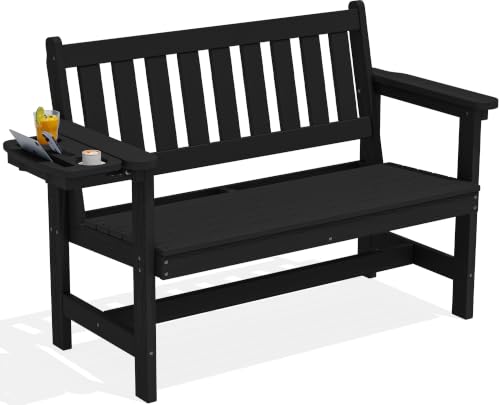
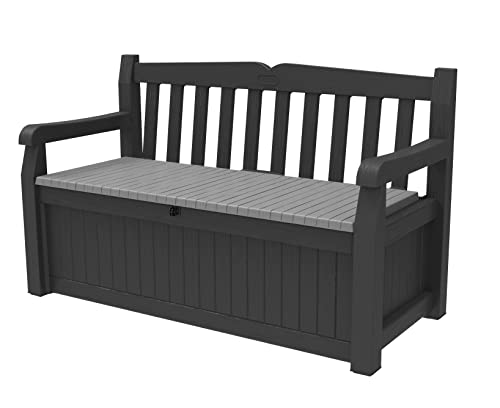
Weather Resistant Outdoor Bench: The Complete Buying Guide
Learn how to choose a bench that survives rain, sun, and temperature swings. Compare materials, finishes, and construction so your outdoor seating looks great for years.
EXPLORE MATERIALSWhy a weather resistant outdoor bench matters: A bench is one of the most exposed pieces of furniture you own. It sits in direct sun, rain, and frost without shelter. Choosing the right materials and finishes is the single biggest factor in how long your bench lasts and how good it looks season after season.
What Makes an Outdoor Bench Weather Resistant?
Weather resistance is not a single feature. It is the result of several design decisions working together:
- Moisture resistance: The bench should shed water quickly and resist rot, mold, and rust. Sealed joints, drainage gaps, and non-porous surfaces all help.
- UV stability: Sunlight breaks down weak materials over time. UV-stable finishes and fade-resistant materials keep the bench looking consistent.
- Temperature tolerance: A bench that handles summer heat and winter frost without warping or cracking is a genuine long-term investment.
- Rust-proof hardware: Stainless steel or coated fasteners prevent the small failures that shorten a bench's life.
- Solid construction: Reinforced frames, welded joints, and heavy-duty bases resist wind and daily use.
Comparing Bench Materials by Tier
Each material comes with trade-offs. The table below groups the most common bench materials into market tiers so you can see how they compare without relying on fluctuating factors.
| Material | Market Tier | Weather Resistance | Maintenance Needs | Best For |
|---|---|---|---|---|
| High-Density Polyethylene (HDPE) | Essential tier | Excellent | Minimal | Full exposure, low-maintenance patios |
| Aluminum | Mid-tier | Excellent with powder coating | Low | Modern patios, coastal areas |
| High-Grade Steel | Mid to high-end tier | Very good with rust-proof finish | Low to moderate | Heavy-duty seating, public spaces |
| Teak | High-end tier | Very good | Moderate (annual oiling optional) | Timeless style, natural look |
| Cedar | Mid-tier | Good | Moderate (annual sealing) | Rustic or garden settings |
| Wrought Iron | High-end tier | Good with proper coating | Moderate (recoat periodically) | Classic decorative benches |
For a deeper review of construction standards, see our materials guide and our guide to metal patio furniture.
Material Deep Dives
High-Density Polyethylene (HDPE)
The most weatherproof option overall. HDPE does not absorb water, will not rot, and resists UV fading when stabilized. It cleans easily and never needs sealing. The trade-off is a more synthetic appearance than natural wood. Ideal for homeowners who want zero maintenance.
Aluminum
Aluminum is lightweight, will not rust in the traditional sense, and is highly resistant to moisture. A powder-coated finish protects it further and allows a range of colors. It is a strong choice for coastal climates and modern patio styles. Premium aluminum frames feel significantly sturdier than entry-level ones.
High-Grade Steel
Steel offers excellent weight and durability. The critical factor is the finish: a rust-proof coating or galvanized treatment determines whether the bench survives years of exposure. Commercial-grade steel benches are common in parks because they handle heavy use.
Teak
Teak contains natural oils that resist rot and insects. It weathers to a beautiful silver-gray if left untreated, or keeps its warm tone with occasional oiling. Teak is a long-term investment that ages gracefully and suits both traditional and contemporary spaces.
Cedar
Cedar is naturally resistant to decay and insects, and it is lighter than many hardwoods. It benefits from annual sealing to maintain color and extend life. Cedar suits rustic, garden, and cottage settings, and it develops character over time.
Wrought Iron
Wrought iron offers a classic, decorative look and impressive weight. The main concern is corrosion: the coating must be intact. With proper powder coating and periodic touch-ups, wrought iron benches can last for decades. Best for covered or semi-sheltered patios.
Key Features to Check Before Buying
Beyond material, these details separate a durable bench from one that fails early:
Construction checklist
- Welded or bolted joints: Look for reinforced joints, not thin connectors. Welded frames generally outperform stapled or glued assemblies.
- Rust-proof hardware: Stainless steel screws and bolts resist corrosion far better than standard hardware.
- Drainage design: Slatted seats and open frames let water escape. Benches that trap water develop mold and rot faster.
- UV-stable finish: Powder coating or marine-grade sealant protects both the material and the color.
- Weight and base stability: A heavier bench resists wind. Check that the legs or base are wide enough to prevent tipping.
- Load capacity: Confirm the bench is rated for the number of people it seats, with a comfortable margin.
- Assembly quality: Pre-assembled or clearly documented assembly reduces the risk of loose joints later.
Match the Bench to Your Climate
Coastal and Humid Climates
Salt and moisture are the main enemies. Choose aluminum with powder coating, HDPE, or teak. Avoid uncoated steel and iron. Rinse the bench periodically to remove salt buildup.
Hot, Sunny Climates
UV exposure drives fading and material degradation. Prioritize UV-stabilized materials and finishes. Light colors stay cooler to the touch and hide fading better than dark tones.
Cold and Freezing Climates
Freeze-thaw cycles stress joints and materials. HDPE and aluminum handle frost well. Wood benches should be sealed and, in severe winters, stored or covered to prevent moisture damage.
Rainy Seasons
Drainage is critical. Choose slatted seats and open frames. Pair the bench with a waterproof outdoor furniture cover for the wettest months.
Maintenance That Extends Bench Life
Even the most weather-resistant bench benefits from simple routine care:
- Clean regularly: Rinse with water and use mild soap. Avoid abrasive cleaners that strip protective coatings.
- Inspect hardware: Check screws, bolts, and welds each season. Tighten or replace loose parts early.
- Reapply protection: Wood benches need periodic sealing or oiling. Metal benches may need touch-up paint on scratches.
- Use covers wisely: A well-fitted weatherproof outdoor furniture cover protects during off-season months. Ensure the cover allows ventilation to prevent condensation.
- Store in extreme weather: If you live in an area with severe winters or storms, store the bench or secure it firmly.
Common Buying Mistakes to Avoid
- Assuming "outdoor" means weatherproof: Not all outdoor benches are created equal. Check the specific material and finish, not just the label.
- Ignoring the hardware: A sturdy frame with weak fasteners still fails. Look for stainless or coated hardware.
- Overlooking drainage: Benches with flat, water-trapping seats develop problems quickly.
- Skipping the base check: A light bench with a narrow base can tip in strong wind.
- Not planning maintenance: Wood and iron benches need periodic care. Choose a material that matches your willingness to maintain it.
Related Outdoor Seating Guides
If you are outfitting a full patio, these guides pair well with a bench purchase:
- Explore outdoor benches for more seating options.
- Compare rocking egg chairs for a different seating style.
- Consider wicker seating to complement a wooden or metal bench.
- Browse outdoor couches for larger seating arrangements.
- Review outdoor cushions if your bench has cushions.
- See water-resistant storage cabinets to store bench accessories.
Frequently Asked Questions
What makes an outdoor bench weather resistant?
A weather resistant outdoor bench is built from materials that resist moisture, UV radiation, and temperature swings. Common choices include high-grade steel with rust-proof finishes, aluminum, teak, cedar, and high-density polyethylene. Protective coatings, sealed joints, and drainage-friendly designs also play a major role.
Which material is best for a weather resistant outdoor bench?
There is no single best material. Teak and cedar offer natural rot resistance and a warm look. Aluminum and high-grade steel are strong and low-maintenance. High-density polyethylene is the most weatherproof option overall and requires almost no care. The right pick depends on your climate, style preference, and maintenance willingness.
How do I maintain a weather resistant outdoor bench?
Routine care extends the life of any bench. Rinse it periodically, clean with mild soap, inspect fasteners and welds, and apply a protective coating or sealant according to the manufacturer's guidance. Store or cover the bench during harsh winters if your climate demands it.
Can a weather resistant outdoor bench stay outside all year?
Most weather-resistant benches are designed for year-round outdoor use, but performance varies by material and finish. Entry-level models may need seasonal covering, while premium and commercial-grade benches with sealed frames and UV-stable materials handle full exposure well.
Should I choose a bench with or without a backrest?
Backless benches are versatile, easy to store, and suit dining or garden settings. Benches with backrests are more comfortable for long periods of lounging. Consider how you plan to use the bench and whether it will sit against a wall or in an open area.
How do I protect a wood bench from rain?
Apply a marine-grade sealant or oil designed for outdoor wood, and reapply it according to the product instructions. Ensure the bench has good drainage and consider a fitted cover during prolonged wet periods. Teak and cedar naturally resist moisture better than softer woods.
Ready to Choose Your Bench?
Use the material and construction guidance above to narrow down your options. Then explore current bench styles and finishes to find the one that fits your patio.
VIEW RECOMMENDED BENCHES