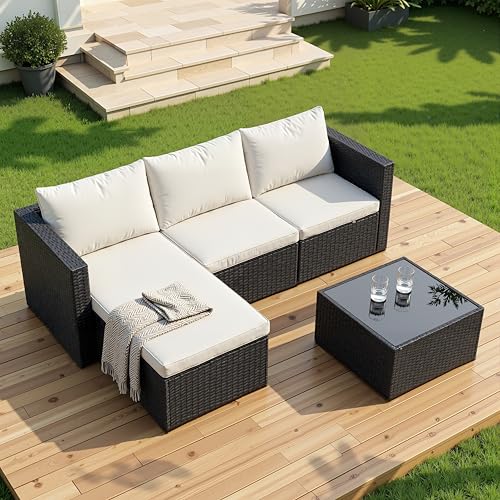
Outdoor Couches for Sale: The Complete Buying Guide
Everything you need to know before choosing an outdoor couch — frame materials, cushion fabrics, layout planning, and care — so your backyard seating stays comfortable and durable season after season.
START THE GUIDEWhy this guide matters: An outdoor couch is one of the largest and most used pieces in any backyard. The right choice transforms a patio into a true living room; the wrong one leads to rusted frames, faded cushions, and poor comfort. This guide walks you through the decisions that actually matter before you buy.
Why Outdoor Couches Deserve Careful Research
Shopping for outdoor couches for sale is not the same as buying an indoor sofa. Sun, rain, humidity, wind, and temperature swings all attack the materials continuously. A couch that looks beautiful in a showroom can fail quickly outdoors if its frame, coating, and cushions are not designed for the environment. That is why research before purchase is so valuable.
Most buyers searching for an outdoor couch already know the style they want. What they often still need is clarity on three questions: which frame material will survive my climate, which cushion fabric resists moisture and fading, and what size and shape actually fits my patio. Answer those and the purchase becomes straightforward.
If you are still exploring the broader category, our L-shaped outdoor couch with fire pit guide and the outdoor furniture loveseat overview are useful companions to this article. For the full patio picture, see our outdoor dining set buying guide.
Frame Materials: What Lasts Outdoors
The frame is the foundation. Choose it before you fall in love with a cushion pattern.
- Powder-coated aluminum: The most reliable choice for humid and coastal climates. Lightweight, rust-proof when coated, and easy to move. High-grade aluminum frames are the standard for premium outdoor seating.
- Powder-coated steel: Heavy-duty and stable, but requires intact coating. Any chip exposes steel to rust, so touch up regularly.
- Wicker and rattan (synthetic): Classic woven look with excellent weather resistance when made from high-density polyethylene. Our wicker seating guide covers weave quality and frame construction in detail.
- Teak and acacia: Natural warmth and a long service life. Teak ages to a silver-grey patina and resists rot naturally. Requires occasional oiling if you want to keep the original tone.
- Metal that mimics wood: A practical middle path — the look of wood with the low maintenance of metal. See metal patio furniture for comparisons.
For a structured comparison of frame types, finishes, and their climate suitability, our materials guide is the reference to keep open while shopping.
Cushions: Where Comfort and Durability Meet
Cushions determine whether the couch is actually used. They also wear out fastest, so treat them as a replaceable component and verify that replacement covers are available for the model you choose.
- Solution-dyed acrylic: The benchmark outdoor fabric. Color is locked into the fiber, so it resists fading and moisture.
- Olefin and polyester blends: Good moisture resistance and quicker drying; typically found on mid-tier models.
- Foam and fill: Quick-dry foam with a wrapped fiber layer balances support and drying speed. Solid foam holds water longer.
- Replacement availability: Confirm that outdoor cushions and replacement covers are sold separately for your model.
Fabric care, waterproofing, and longevity tips are covered in the outdoor cushion guide. If you want maximum moisture protection, look at waterproof outdoor furniture cushions. Couches with curved frames often need specialty covers, so check outdoor curved sectional replacement cushions before committing to a curved model.
Choosing the Right Size and Layout
An outdoor couch that is too large makes a patio feel cramped; one that is too small feels like an afterthought. Measure the space, then plan circulation before choosing a shape.
- Straight three-seat couch: The most versatile option for rectangular patios and decks. Pairs well with two armchairs or a single accent chair.
- L-shaped sectional: Defines a conversation zone and seats more people in the same footprint. Ideal for corner patios. Explore L-shaped patio furniture for layout ideas.
- U-shaped or conversation set: Best for larger patios where the couch is the centerpiece. See conversation sets with fire pit if you want a focal point.
- Circular sectional: A statement shape for open patios and round hardscapes. Our circular sectional overview explains the trade-offs.
- Sleeper or convertible: Useful for guest space. Read about sectional with sleeper options before deciding.
Leave roughly 30 inches of clearance on main walkways and 18 inches between the couch and a coffee table. Anchor the layout with a rug and a table; the outdoor coffee table that raises to a dining table is a strong multi-use option for compact patios.
Outdoor Couch Tiers at a Glance
Use this framework to set expectations. Each tier describes relative market position and typical construction — not a specific figure.
| Tier | Typical Construction | Best For | Durability Outlook |
|---|---|---|---|
| Entry-level | Steel or aluminum frame, basic polyester cushions | Covered porches, seasonal use, first patio setup | Good for sheltered spaces; cushions need regular care |
| Mid-range | Powder-coated aluminum, olefin or solution-dyed cushions | Open decks and patios with regular sun and rain | Solid multi-season performance with basic covers |
| Premium | High-grade aluminum or teak, solution-dyed acrylic cushions | Year-round outdoor living in varied climates | Long-term investment with replacement covers available |
| Luxury / commercial-grade | Reinforced welded frames, quick-dry foam, performance fabrics | Hospitality-style patios, high-traffic family use | Designed for continuous exposure and intensive use |
Style Directions That Work Outdoors
Style is personal, but some directions hold up better outdoors than others. Wicker and rattan remain the most popular because the texture hides minor wear. Modern metal frames with clean lines suit contemporary homes and are easy to clean. Wood frames bring warmth and pair naturally with greenery.
For a textured natural look, read most comfortable outdoor wicker furniture. If your patio leans modern, see modern recycled plastic outdoor furniture for an eco-conscious direction. A wicker patio furniture set with blue cushions is a practical example of how color changes the whole feel of the couch.
Pair the couch with a matching weather-resistant outdoor bench or a vintage wrought iron side table to complete the seating zone without crowding it.
Protection and Care: Extend the Life of Your Couch
Even the best couch needs protection. Covers, storage, and simple routine care decide whether it lasts several seasons or a decade.
Practical Care Checklist
- Use fitted waterproof outdoor furniture covers during heavy rain and off-season.
- Store cushions in a dry place when not in use; see cushion storage solutions.
- Keep a water-resistant outdoor storage cabinet nearby for small items and covers.
- Touch up chips in powder coating immediately to prevent rust.
- Clean frames with mild soap and water; avoid abrasive pads.
For seasonal protection details, the weatherproof outdoor furniture covers overview explains fabric grades and fit. If you are storing larger pieces, a waterproof outdoor box or waterproof outdoor storage container keeps cushions and throws dry. In mosquito-heavy areas, pair your seating area with the strategies in our mosquito control guide.
A Simple Buying Process
Work through these steps in order and the decision becomes much easier:
- Measure the space and mark the couch footprint with tape on the patio.
- Choose the frame material based on climate and coverage — see the materials guide.
- Pick the shape (straight, L-shaped, U-shaped, circular) that matches circulation and seating needs.
- Verify cushion fabric and replacement availability.
- Plan protection — covers and storage — before the couch arrives.
- Check retailer return and delivery terms using our online retailers overview.
If you are also outfitting the rest of the patio, the outdoor furniture conversation sets overview and L-shaped sectional couches pages round out the seating plan. For smaller spaces, a lounger chair or outdoor chaise lounge chair can complement a compact couch.
Frequently Asked Questions
What material is best for an outdoor couch?
Powder-coated aluminum is the most reliable all-around choice because it resists rust and stays light enough to reposition. High-grade steel offers more weight and stability but needs intact coating. Synthetic wicker over an aluminum frame combines classic style with strong weather resistance.
How do I measure my patio for an outdoor couch?
Measure the full footprint of the patio, then subtract at least 30 inches of walkway clearance around the couch. Account for the couch depth plus the extended footprint of any recliner or chaise before ordering, and tape the dimensions on the ground to confirm the fit.
Can outdoor couches stay outside all year?
Weather-resistant frames can remain outside year-round, but cushions should be stored or covered during heavy rain, freeze, and prolonged direct sun. Covers and a storage cabinet protect the pieces that wear fastest and keep the couch ready to use.
How often should outdoor couch cushions be replaced?
With regular care and covers, quality solution-dyed cushions typically last several seasons. Replace them when the fill loses support or the fabric shows persistent staining. Choosing a model with replacement covers available makes this routine rather than a full couch replacement.
Final Thoughts Before You Buy
The best outdoor couch for your patio is the one that fits the space, suits your climate, and can be protected easily. Prioritize frame material and cushion fabric over decorative details, confirm that replacement cushions are available, and plan covers and storage before the couch is delivered. That combination delivers comfortable seating and a long service life.