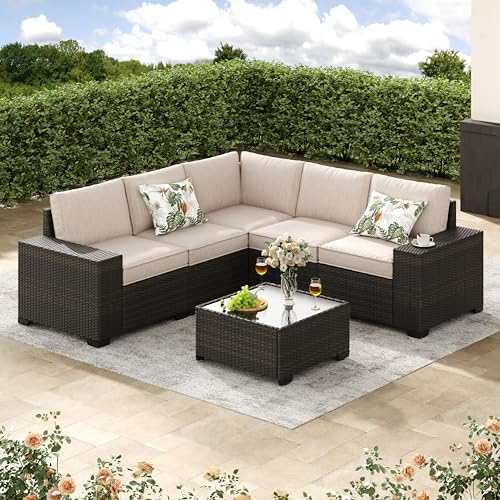
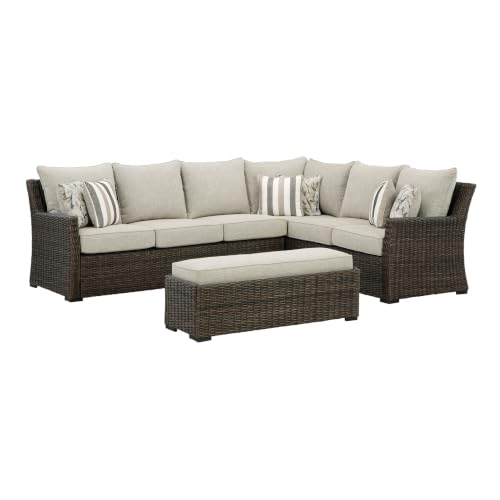
L-Shaped Patio Furniture: The Complete Buying & Design Guide
Turn an unused corner into the most inviting spot in your backyard. Learn how to choose, arrange, and care for L-shaped patio furniture that fits your space, your lifestyle, and your long-term needs.
Explore Top PicksWhy L-shaped layouts work so well: A corner configuration naturally frames a conversation zone, seats more people per square foot than a row of separate chairs, and visually anchors the patio against a wall, railing, or garden edge. Whether you are furnishing a compact balcony or a full-size deck, the right L-shaped set can make your outdoor space feel intentional rather than improvised.
What Exactly Is L-Shaped Patio Furniture?
L-shaped patio furniture is a seating arrangement built around two perpendicular runs — usually a longer sofa or sectional paired with a shorter return, chaise, or corner wedge. The result is a continuous seating line that hugs a corner and leaves the center of the patio open for a coffee table, fire pit, or walking path. In practice, you will encounter three main configurations:
- Two-piece sectional: A long sofa plus a shorter loveseat or corner chair that can be separated and rearranged. This is the most flexible option for renters and for patios with awkward angles.
- Single-frame sectional: One continuous welded or bolted frame with a fixed L footprint. Cleaner lines and stronger structural integrity, but it locks you into one layout.
- Modular L-shaped set: Individual seats, corner wedges, and ottomans that clip or stack together. The most adaptable choice if you entertain different group sizes or want to reconfigure seasonally.
If you are still comparing corner formats, our guide to outdoor circular sectional patio furniture is a useful counterpoint — curved sections soften tight corners, while L-shaped frames maximize straight-edge seating. For a deeper dive into the broader category, see our full L-shaped patio furniture resource hub.
Why Homeowners Choose an L-Shaped Layout
The case for a corner configuration goes beyond looks. Here is what an L-shaped set actually delivers in daily use:
- Higher seating density: A single L-shaped frame typically seats five to seven adults in the footprint of two standard sofas — without the wasted gap between separate pieces.
- Natural conversation flow: Angled seating encourages face-to-face interaction, which makes the setup ideal for family dinners, game nights, and casual hosting.
- Defined zones: The L acts as a visual boundary between the lounging area and the dining or cooking zone, which is especially useful on open-plan decks.
- Corner optimization: Awkward patio corners that would otherwise sit empty become the anchor of the entire layout.
- Wind protection: A corner run creates a partial windbreak, extending the comfortable season on exposed decks and rooftops.
The trade-off is commitment: an L-shaped frame is harder to move than individual chairs, so measure carefully and think about how you actually use the space before you buy. If you want the flexibility of rearranging, look for modular pieces or a two-piece sectional rather than a single welded frame.
How to Measure Your Patio for an L-Shaped Set
Measurement mistakes are the single most common reason people regret a sectional purchase. Follow this sequence before you shop:
- Measure both wall runs: Record the full length of each edge where the unit will sit, then subtract at least 6 inches on each end so the frame does not press against railings or walls.
- Map the walkway: Leave 24 to 36 inches of clearance between the sofa front and any table, fire pit, or door. Less than that and the space feels cramped even when empty.
- Check the corner angle: Most patios are not perfectly square. Measure the corner angle with a simple protractor app — if it is off by more than a few degrees, a modular set with adjustable connectors will fit better than a rigid frame.
- Account for reclining backs: If the sofa has a reclining or deep-tilt back, add 10 to 12 inches of rear clearance so it can fully recline without hitting the wall.
- Plan the coffee table: A rectangular or square table works best in the center of the L; allow 14 to 18 inches between the table edge and the sofa front for comfortable legroom.
If you are working with a narrow balcony or a small urban patio, our dedicated guide to small patio ideas covers space-saving layouts in more detail. For a full measurement workflow, the measurement guide walks through every dimension step by step.
Materials: Which Frame and Fabric Suits Your Climate?
L-shaped frames are large, heavy, and expensive to replace — so the material choice matters more than on a single chair. Use this comparison to narrow down your shortlist:
| Material | Best For | Weather Resistance | Maintenance Level |
|---|---|---|---|
| Powder-coated aluminum | Humid, coastal, and rainy climates; lightweight setups | Excellent — rust-proof finish | Low — wipe with mild soap |
| Teak / acacia hardwood | Traditional, rustic, and natural-toned patios | Good with annual sealing | Moderate — oil or seal yearly |
| High-density polyethylene wicker | Woven looks, family-friendly spaces, sun exposure | Very good — UV-stabilized | Low — rinse and air-dry |
| Cast aluminum | Formal or vintage-inspired patios | Excellent — heavy-duty and rust-resistant | Low to moderate |
| Recycled plastic / resin | High-traffic, pet-friendly, low-maintenance setups | Excellent — will not rot or splinter | Very low |
For a side-by-side look at metal versus wood frames, the metal patio furniture guide and the broader materials guide cover load ratings, finish durability, and long-term performance. If you prefer the woven aesthetic, our wicker seating overview compares natural rattan with all-weather synthetic weaves.
Cushions and Upholstery: Comfort That Survives the Season
On an L-shaped set, cushions are the part you interact with most — and the part that wears out first. Prioritize these features:
- Quick-dry foam core: Open-cell foam drains water and resists mildew far better than standard upholstery foam.
- Removable, machine-washable covers: Look for zippered covers in solution-dyed acrylic or olefin — both hold color under UV exposure.
- Water-repellent backing: A breathable water-resistant liner underneath the cover prevents moisture from soaking into the foam while still allowing air circulation.
- Replacement availability: Before buying, confirm that the manufacturer sells replacement covers and foam inserts separately — this extends the life of the frame by years.
If you already own a set and want to refresh it, our guides to waterproof outdoor furniture cushions and outdoor curved sectional replacement cushions cover fit, fabric, and sourcing. For general care and cleaning routines, the outdoor cushion guide is the place to start.
Quality Tiers: How to Read the Market Without Getting Lost
L-shaped patio sets fall into clearly distinguishable tiers. Use these descriptors — rather than any specific figure — to compare products fairly across retailers and seasons:
- Entry-level / essential tier: Typically steel or lighter aluminum frames with powder coating, basic foam cushions, and bolt-together construction. Best for renters, seasonal use, or shaded patios with low sun exposure. Expect a shorter lifespan and more frequent cushion replacement.
- Mid-range / balanced tier: Heavier aluminum or sealed hardwood frames, quick-dry cushions with removable covers, and better hardware. This is the sweet spot for most homeowners — well-specified for the category and built to last several seasons with routine care.
- Premium / high-end tier: Welded aluminum or solid teak frames, solution-dyed acrylic upholstery, stainless hardware, and modular connectors. Long-term investments that hold up to year-round outdoor exposure and heavy daily use.
- Luxury / flagship tier: Custom or semi-custom configurations, commercial-grade frames, designer fabrics, and extended warranties. Appropriate for full outdoor living rooms and spaces where the furniture is a permanent architectural element.
A useful rule: if the set will sit under a covered pergola and be used mostly on weekends, a balanced-tier model is usually the most efficient choice. If it will live fully exposed to sun, rain, and salt air year-round, the premium tier pays for itself through lower replacement frequency.
Layout Ideas That Make the Most of an L-Shaped Set
Placement matters as much as the product. These four configurations cover the most common patio shapes:
1. The Conversation Corner
Place the L against two adjacent walls or railings with a square coffee table in the center. Add two lightweight accent chairs opposite the long side to close the loop. This works best on patios between 120 and 200 square feet and is the most social layout for hosting.
2. The Fire Pit Lounge
Anchor the L around a fire pit instead of a coffee table, leaving a 30-inch gap between the sofa and the pit rim. A curved or round fire pit softens the hard L lines. Our guide to L-shaped outdoor couch with fire pit setups covers heat clearance and seating depth in detail.
3. The Dining and Lounge Split
Use the long arm of the L for lounging and place a small dining table at the open end. This hybrid layout suits families who eat outside regularly without dedicating the entire patio to a dining set. If you need dining capacity, a dining table set with chairs and bench can sit adjacent to the lounge zone without crowding it.
4. The Balcony Nook
On compact balconies, a two-piece sectional with a slim profile and low back is the most space-efficient L. Skip the coffee table in favor of a narrow console or a pair of ottomans that double as seating. Our balcony decor guide covers compact layouts in more depth.
Seasonal Care: Keeping an L-Shaped Set Looking New
Large frames are harder to move indoors, so preventive care is the priority. Build these habits into your routine:
- Weekly: Brush off debris and wipe frames with a damp cloth. Check cushion seams for moisture after rain.
- Monthly: Rinse wicker and aluminum frames with a garden hose; clean cushion covers according to the manufacturer's instructions.
- Seasonally: Reapply wood sealant or oil to teak and acacia frames. Tighten bolts and inspect connectors for corrosion.
- Off-season: Use fitted covers that breathe — fully waterproof covers can trap condensation and cause mold. Store cushions in a ventilated container rather than a sealed bin.
For product recommendations, see our guides to waterproof outdoor furniture covers, weatherproof outdoor furniture covers, and water-resistant outdoor storage cabinet options. If you are storing cushions for the winter, the cushion storage guide covers humidity control and pest prevention.
Five Mistakes to Avoid When Buying an L-Shaped Set
- Buying before measuring the corner angle: Rigid frames do not flex. If your patio corner is not close to 90 degrees, choose a modular set.
- Underestimating cushion depth: Deep seats look luxurious but reduce walkway clearance. On a compact patio, 24-inch seat depth is more practical than 30-inch.
- Skipping replacement-part availability: Confirm the manufacturer sells individual cushions, covers, and connectors before you commit — a discontinued set can become unusable after one worn cushion.
- Choosing a fully waterproof cover: Breathability matters. Look for covers with vents or mesh panels to prevent condensation build-up.
- Ignoring wind exposure: On an upper-floor balcony or exposed deck, lightweight aluminum frames can shift in strong gusts. Look for heavier frames or anchoring options.
Frequently Asked Questions
What is L-shaped patio furniture best suited for?
L-shaped patio furniture is ideal for corner placement on decks, patios, and balconies. It defines a conversation zone, maximizes seating in a compact footprint, and works well for both intimate family use and entertaining guests.
How do I choose the right size L-shaped patio set?
Measure the length of both walls or edges where the unit will sit, then leave at least 24 to 36 inches of walking clearance around the seating. A two-piece sectional adapts better to tight corners, while a single-piece frame offers a cleaner look on larger patios.
Which materials work best for L-shaped outdoor furniture?
Powder-coated aluminum is lightweight and rust-resistant, teak and acacia offer natural warmth with proper sealing, and high-density polyethylene wicker delivers a woven look with strong weather resistance. Choose based on climate, maintenance preference, and design style.
How should I care for L-shaped patio furniture cushions?
Use quick-dry foam cushions with removable, machine-washable covers. Store cushions in a ventilated container during heavy rain or off-season, and clean frames with mild soap and water. Reapply protective treatments to wood frames annually.
Ready to Compare L-Shaped Sets?
Browse our curated selection of L-shaped patio furniture below. Each option is grouped by tier and best-use case so you can match a set to your space, climate, and lifestyle — without guessing.
Jump to Recommendations