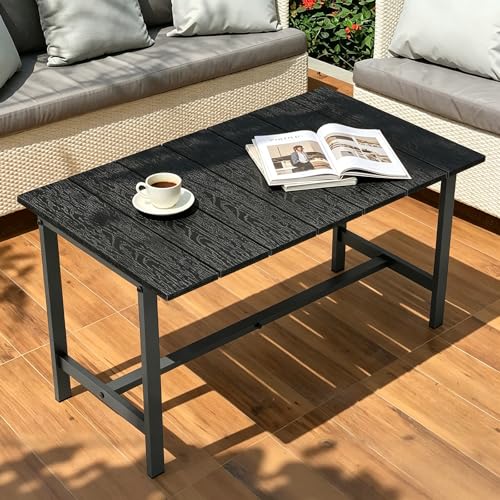
Outdoor Coffee Table That Raises to Dining Table
One table, two heights, endless possibilities. Learn how a convertible lift-top table can replace two pieces of furniture and unlock your patio's full potential.
Explore the GuideWhy this table matters: If your patio, balcony, or deck feels tight, a single piece that shifts from lounging surface to dining surface is one of the smartest investments you can make. This guide walks you through how these tables work, what to look for, and how to choose the right one for your space.
What Is an Outdoor Coffee Table That Raises to Dining Table?
An outdoor coffee table that raises to dining table is a multi-functional piece of patio furniture with an adjustable-height top. In its lowered position, it sits at coffee-table height for lounging, holding drinks, books, or a tray of snacks. With a lift of the mechanism, the top rises to standard dining height so you can pull up chairs and enjoy a full meal.
These tables are sometimes called lift-top tables, pop-up patio tables, or convertible outdoor tables. The core idea is simple: instead of buying a low coffee table and a separate dining table, you own one piece that adapts to how you actually use your outdoor space throughout the day.
The concept has gained traction because outdoor living areas are often smaller than indoor rooms. A balcony that can only fit one table benefits enormously when that table can serve two purposes. For a broader look at choosing patio seating that pairs well with convertible tables, see our outdoor dining set buying guide.
How the Raising Mechanism Works
The lift mechanism is the heart of any convertible table. Understanding the three main types helps you evaluate build quality and long-term reliability.
Manual Locking Hinge
A simple hinge system where you lift the top by hand and lock it into place with a pin or latch. Durable and easy to repair, but requires a bit of effort and the table must be empty before adjusting.
Gas Spring Lift
A gas strut assists the lift, making the table feel lighter and smoother. Many mid-range models use this system with a safety lock. The spring can wear over time, so check for replaceable parts.
Scissor-Lift or Pop-Up Leaf
Top-tier tables use a scissor mechanism or a pop-up leaf that expands the surface as it rises. These provide the most stable dining surface and often include a locking safety feature. Look for stainless or sealed hardware.
Regardless of the type, the best mechanisms share a few traits: smooth operation without wobble, a clear locking point at both heights, and hardware that resists rust. If you plan to leave the table outside year-round, prioritize sealed or stainless components and consider a fitted cover during harsh seasons. Our weatherproofing guide covers protective routines in detail.
Materials That Hold Up Outdoors
Because the tabletop moves, material choice affects both durability and weight. A heavy top is harder to lift, while a flimsy top may warp or rattle. Here is how the common options compare:
- Powder-coated aluminum: Lightweight, rust-resistant, and easy to move. Mid-range tables often use this for the frame with a composite or slatted top. Ideal for balconies where portability matters.
- Teak and dense hardwoods: Long-term durability and natural beauty. Teak develops a silver patina if left untreated and resists moisture well. These tables are heavier, so the lift mechanism must be robust. Pair with teak lounge chairs for a cohesive look.
- High-grade poly resin / HDPE lumber: Top-tier weather resistance with zero maintenance. These materials do not rot, splinter, or fade easily. A solid choice for coastal or rainy climates.
- Metal with wood-look finish: A practical middle path. Tables like a metal outdoor table that looks like wood combine the stability of metal with a warm appearance.
For a deeper comparison of frame and surface options, our materials guide breaks down the trade-offs between wood, metal, wicker, and resin.
Choosing by Tier: What Each Level Offers
Convertible tables fall into clear market tiers. Rather than focusing on numbers, evaluate what each tier delivers in mechanism quality, materials, and lifespan.
| Tier | Best For | Typical Features |
|---|---|---|
| Entry-Level | Light use, renters, seasonal patios | Manual hinge, aluminum frame, basic slatted top, simple locking pin |
| Mid-Range | Regular family use, small decks | Gas spring lift, powder-coated finish, composite or wood top, safety lock |
| Premium | Year-round outdoor living, coastal homes | Scissor-lift or pop-up leaf, stainless hardware, teak or HDPE surface, seamless locking |
| Luxury / Commercial-Grade | High-traffic patios, hospitality settings | Reinforced frame, sealed lift system, premium materials, extended structural support |
The jump from entry-level to mid-range usually delivers a noticeably smoother lift and better stability at dining height. Premium and luxury tiers focus on longevity and finish quality. Whichever tier you choose, confirm that the table's dining height matches your chair seat height so the transition feels natural. Our measurement guide explains how to check dimensions before you commit.
Advantages and Trade-Offs
Why It Works Well
- Replaces two tables with one, freeing floor space on compact patios
- Adapts from morning coffee to evening dinner without rearranging furniture
- Reduces clutter and simplifies cleaning routines
- A strong choice for balconies and apartments with limited storage
- Encourages more frequent outdoor dining because setup is instant
What to Consider
- The lift mechanism adds moving parts that need periodic inspection
- Heavier tops can be awkward to raise for some users
- Not every model is designed to stay outside in freezing conditions
- Dining surface may be smaller than a dedicated dining table
- Entry-level hinges can loosen over time without maintenance
Pairing It With the Rest of Your Patio
A convertible table works best when the surrounding furniture supports both modes. For the dining configuration, lightweight chairs that tuck under the raised top are ideal. Consider rattan chairs for outdoor settings or a mid-century modern bistro table and chairs set for a cohesive look if you prefer a second small dining zone.
For the lounging configuration, position the table near a sofa or sectional. A L-shaped outdoor couch with fire pit creates a natural conversation area around the low table. If you have a larger deck, a vintage wrought iron side table can complement the convertible table without competing for attention.
Shade matters too. A raised dining table may need an umbrella or a nearby structure for midday meals. Review umbrella options in our patio umbrella guide before finalizing your layout.
Care and Maintenance for Moving Tables
Convertible tables need slightly more attention than fixed tables because of the lift hardware. A simple seasonal routine keeps the mechanism smooth:
- Clean the mechanism quarterly: Wipe away grit and debris from hinges and tracks with a damp cloth, then dry thoroughly.
- Lubricate moving parts: Apply a silicone-based lubricant to hinges and springs according to the manufacturer's guidance. Avoid heavy grease that attracts dirt.
- Inspect locking points: Confirm the table locks securely at both heights. A wobbly lock is a safety issue, not just an annoyance.
- Cover during off-seasons: A fitted cover protects the mechanism from rain, pollen, and UV exposure. See our waterproof outdoor furniture covers overview for selection tips.
- Store cushions separately: Keep fabric dry and mold-free using a dedicated cushion storage solution.
If your table has a wood top, reseal it annually with a outdoor-rated sealant. For metal frames, touch up any scratches in the powder coating to prevent corrosion. Our rust removal tips cover repair steps if you spot early oxidation.
Frequently Asked Questions
How does an outdoor coffee table that raises to dining table work?
Most convertible outdoor tables use a lift mechanism — a gas spring, manual locking hinge, or scissor-lift — that raises the tabletop from coffee-table height to standard dining height. Some models also expand the surface with a pop-up leaf as the top rises.
What materials are best for a convertible outdoor table?
Powder-coated aluminum frames resist rust and stay light enough to move. Teak offers long-term durability with proper sealing. High-grade poly resin and HDPE lumber are top-tier for weather resistance without maintenance. Look for stainless or sealed hardware in the lift mechanism.
Can a lift-top outdoor table stay outside all year?
It depends on materials and climate. Tables with sealed aluminum or stainless hardware and UV-resistant finishes can remain outside in mild climates. In freezing or coastal conditions, use a fitted cover and inspect moving parts each season to prevent corrosion and stiffness.
Is a convertible table good for small patios?
Yes. One table that serves both coffee-table and dining purposes eliminates the need for two separate pieces. This makes it one of the most efficient space-saving choices for balconies, compact decks, and small patios where every square foot counts.
What height should the dining position reach?
A standard dining table height is around 28 to 30 inches, which pairs with chairs that have a seat height of about 17 to 19 inches. Confirm the raised height matches your existing chairs so guests can sit comfortably.
Ready to Choose Your Convertible Table?
Use the guidance above to match mechanism type, material, and tier to your patio's size and climate. Then explore our recommended products below to find the right fit.
View Recommended Tables