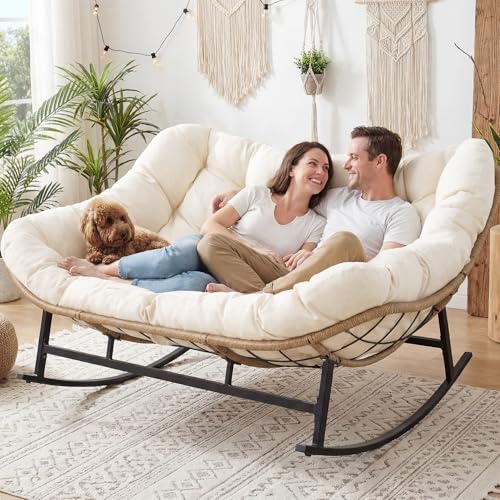
Most Comfortable Outdoor Wicker Furniture: The Complete Comfort Guide
Learn how weave type, frame construction, cushion density, and ergonomic design combine to create wicker patio furniture you can genuinely relax in for hours.
Explore Comfort FactorsWhy comfort matters most in wicker furniture: Wicker is one of the most popular outdoor furniture categories because it blends natural texture with weather resistance. But not all wicker pieces are created equal. A beautifully woven chair with a thin cushion and a shallow seat will look great and feel disappointing. This guide breaks down exactly what separates truly comfortable outdoor wicker furniture from merely attractive options, so you can research with confidence before choosing your set.
What Actually Makes Outdoor Wicker Furniture Comfortable?
Comfort in outdoor wicker furniture is not a single feature — it is the result of several design decisions working together. When shoppers research comfortable wicker seating, they often focus only on cushion thickness. In reality, the frame geometry, seat depth, back angle, and weave density matter just as much. A piece with excellent cushions but a shallow seat will still feel restrictive after twenty minutes.
Understanding these layers helps you evaluate any wicker sofa, chair, or sectional you encounter, whether you are browsing online or sitting in a showroom. For a broader look at how wicker fits into the wider outdoor furniture landscape, our wicker seating guide covers styles and configurations in more depth.
The four foundational comfort factors are:
- Seat depth and height: A comfortable wicker seat typically offers 20–24 inches of depth and a seat height of 16–18 inches, allowing feet to rest flat and the back to be supported.
- Back angle and height: A slight recline (around 100–105 degrees) and a backrest that reaches at least mid-shoulder reduce fatigue during long lounging sessions.
- Cushion quality: High-density foam, quick-dry cores, and covers with some stretch provide pressure relief without sagging.
- Weave tension and frame rigidity: Tightly woven seats that do not flex under weight prevent the "hammock effect" that causes discomfort over time.
Frame Geometry
Seat depth, seat height, and back angle determine whether a wicker piece supports your posture or forces you to shift constantly. These dimensions matter more than cushion thickness for long-term comfort.
Cushion Engineering
High-density foam, quick-dry cores, and weather-resistant covers keep cushions supportive through humidity and rain. Thin or low-density foam compresses quickly and loses shape.
Weave & Material
All-weather PE or HDPE resin wicker resists UV fading, moisture, and temperature swings. Tight, consistent weaving distributes weight evenly and prevents sagging.
All-Weather Wicker vs. Natural Rattan: Comfort Implications
The material of the weave affects comfort in ways that are not always obvious at first glance. Natural rattan feels softer and more flexible, which can make a seat feel welcoming initially. However, outdoors, natural rattan absorbs moisture, dries slowly, and becomes brittle with UV exposure. Over a season or two, the weave can loosen, and the seat loses its supportive structure.
All-weather wicker — typically made from polyethylene (PE) or high-density polyethylene (HDPE) resin — is engineered for outdoor conditions. It resists moisture, does not warp, and holds its tension far longer. For comfortable outdoor wicker furniture that remains supportive year after year, all-weather resin is the more reliable choice. If you are comparing material families more broadly, our materials guide explains how wicker compares with metal, wood, and recycled plastic options.
Within all-weather wicker, quality varies. Premium weaves use thicker strands, tighter tension, and UV-stabilized pigments. Entry-level weaves may feel thinner and lose shape sooner. When evaluating any piece, press gently on the seat weave — it should feel firm and consistent, not springy or loose.
Cushion Quality: The Fastest Route to Real Comfort
If you want to improve the comfort of wicker furniture quickly, cushions are the highest-impact component. But cushion quality is about more than thickness. The foam density, the cover fabric, and the construction of the core all determine how a cushion feels on day one and how it performs after a season of use.
Look for these characteristics when evaluating wicker furniture cushions:
- High-density foam core: Denser foam resists compression and retains shape. Low-density foam feels plush initially but flattens quickly.
- Quick-dry construction: Open-cell foam or foam with drainage channels dries faster after rain, preventing mildew and odor.
- Weather-resistant covers: Solution-dyed acrylic or polyester covers resist fading, staining, and moisture. Removable, washable covers extend cushion life considerably.
- Adequate thickness: Seat cushions of at least 4 inches and back cushions of 6 inches or more provide meaningful pressure relief.
- Secure attachment: Ties, straps, or non-slip undersides keep cushions in place and prevent constant readjustment.
If you already own wicker furniture and want to upgrade comfort, replacement cushions are a practical path. Our outdoor cushion guide explains how to measure and select cushions that fit properly, and you can also explore waterproof outdoor furniture cushions for humid climates.
Comfort Tiers in Outdoor Wicker Furniture
To compare wicker furniture without relying on price figures, it helps to think in terms of quality tiers. Each tier reflects a different balance of materials, cushion engineering, and construction detail. The descriptors below are relative — they describe where a piece sits in the market, not an absolute standard.
| Tier | Typical Comfort Characteristics | Best For |
|---|---|---|
| Entry-Level | Thinner weave, basic foam cushions, simpler frame geometry. Adequate for occasional use and short seating sessions. | Balconies, seasonal setups, and light everyday use |
| Mid-Range | Tighter weave, denser foam, better seat depth and back angle. Noticeably more supportive for daily lounging. | Family patios and regular outdoor living |
| Premium | Heavy-duty resin weave, high-density quick-dry cushions, ergonomic recline, reinforced frames. Designed for extended comfort. | Frequent entertaining and long relaxation sessions |
| Luxury | Flagship construction with superior weave consistency, premium cushion cores, and refined ergonomics. Built as a long-term investment. | Dedicated outdoor living spaces and design-focused patios |
Which Wicker Seating Types Are Most Comfortable?
Different wicker furniture configurations suit different comfort priorities. The "most comfortable" option depends on how you plan to use the space — whether you want deep lounging, upright dining, or flexible conversation seating.
Wicker lounge chairs and deep-seat chairs are generally the most comfortable for relaxation because they offer deeper seats, reclined backs, and thicker cushions. If you prefer a chair that cradles you, explore rattan chairs for outdoor use and wicker patio furniture with blue cushions for a styled, comfortable setup.
Wicker sofas and sectionals provide the most seating flexibility. A comfortable wicker sectional should have consistent seat depth across all modules and cushions that do not slide. If you are planning a larger arrangement, our L-shaped patio furniture guide explains how to plan a comfortable footprint.
Wicker dining sets prioritize upright posture over deep lounging. Comfort here comes from armrest height, seat width, and cushion support rather than recline. Our outdoor dining set buying guide covers the ergonomic details worth checking.
Wicker swings and egg chairs offer a distinct kind of comfort — gentle motion and enveloping support. If that appeals to you, the rocking egg chair and outdoor egg swing chair guides explain what to look for.
Ergonomic Details That Separate Good Wicker From Great Wicker
Once materials and cushions are comparable, ergonomic details become the deciding factor. These are the small design choices that determine whether a wicker chair feels supportive after an hour or starts to feel restrictive after fifteen minutes.
- Armrest height and width: Armrests should sit at a height that lets your shoulders relax. Narrow armrests can dig into forearms over time.
- Lumbar support: A slight curve or added back cushion at the lower back reduces strain during long sitting sessions.
- Seat slope: A subtle backward slope helps prevent sliding forward and keeps the back engaged with the backrest.
- Frame rigidity: A wicker piece that flexes or creaks under weight will feel less secure. Reinforced frames with metal inner structures are generally more stable.
- Cushion-to-frame fit: Cushions that are slightly oversized relative to the seat base stay in place and provide more consistent support.
These details are often visible in product specifications and reviews. When researching online, look for mention of seat dimensions, cushion density, and frame material — they are strong indicators of real-world comfort.
Keeping Wicker Furniture Comfortable Over Time
Comfort is not only about the initial purchase. Wicker furniture that is well maintained stays supportive and visually appealing for many seasons. The main threats to comfort are moisture, UV exposure, and cushion compression.
Routine care is straightforward: brush or vacuum the weave periodically to remove debris, rinse with mild soap and water, and allow the furniture to dry fully before replacing cushions. During extended wet or cold periods, use protective covers. Our waterproof outdoor furniture covers and weatherproof outdoor furniture covers guides explain how to choose covers that fit properly without trapping moisture.
Cushion storage also matters. Storing cushions in a dry, ventilated space during off-season months preserves their loft and prevents mildew. A water-resistant outdoor storage cabinet or waterproof outdoor storage container keeps cushions protected and ready to use. Our cushion storage guide covers options in more detail.
If cushions begin to flatten, replacement is often more effective than trying to revive compressed foam. Checking the fit and fabric type before ordering replacements ensures the furniture returns to its original comfort level.
How to Evaluate Comfort Before You Choose
Whether you are shopping online or in person, a structured evaluation helps you compare wicker furniture fairly. Use these checkpoints as a practical framework:
- Sit for at least five minutes: Short tests reveal only initial impressions. Longer sitting exposes pressure points and back strain.
- Check seat depth and height: Your feet should rest flat, and there should be a small gap behind your knees.
- Press the cushions: They should feel firm and spring back quickly. Soft, slow-recovering foam will flatten sooner.
- Test the weave tension: Press the seat base firmly — it should not sag or creak.
- Look at the frame: Metal inner frames and reinforced joints generally indicate more durable, stable construction.
- Read specifications carefully: Seat dimensions, cushion density, and fabric type are the most reliable indicators of comfort when buying online.
Comparing options across retailers is easier when you know what to look for. Our online retailer guide explains how to evaluate listings and return policies, which is especially useful for furniture you cannot sit in beforehand.
Frequently Asked Questions
What makes outdoor wicker furniture comfortable?
Comfort comes from supportive frame geometry (proper seat depth, height, and back angle), high-density cushions with weather-resistant covers, and a tightly woven seat that distributes weight evenly. Premium pieces combine all three rather than relying on cushion thickness alone.
Is all-weather wicker more comfortable than natural rattan?
All-weather wicker is generally more comfortable for outdoor use because it resists moisture, UV damage, and temperature swings. Natural rattan can feel softer initially but degrades outdoors, becoming brittle and losing supportive tension over time.
How thick should wicker furniture cushions be for comfort?
Seat cushions of at least 4 inches with high-density foam or a foam-fiber blend provide reliable support. Back cushions of 6 inches or more improve lumbar support. Quick-dry cores help cushions retain their shape in humid conditions.
Does wicker furniture need cushions to be comfortable?
Some tightly woven wicker seats are comfortable without cushions for short periods, but most people find cushions essential for longer lounging. Cushions add pressure relief, warmth, and ergonomic support, and they protect the weave from wear.
Ready to Choose Comfortable Wicker Furniture?
Use the comfort checklist in this guide to compare wicker seating with confidence. Focus on frame geometry, cushion quality, and weave tension — the three factors that most reliably predict long-term comfort.
View Recommended Wicker Furniture