Modern Recycled Plastic Outdoor Furniture: The Complete Guide
Explore how eco-friendly recycled plastic furniture combines sustainable materials with contemporary design to create durable, low-maintenance outdoor spaces you can feel good about.
START EXPLORINGWhy recycled plastic? Modern recycled plastic outdoor furniture has moved far beyond the basic picnic table. Today's pieces are engineered from high-density polyethylene (HDPE) and other recycled polymers to deliver the look of painted wood or brushed metal with none of the upkeep. Whether you are furnishing a compact balcony or a full backyard lounge, this guide walks you through materials, styles, durability, and what to look for before you invest in sustainable outdoor seating and tables.
What Is Modern Recycled Plastic Outdoor Furniture?
Recycled plastic outdoor furniture is constructed from post-consumer and post-industrial plastics, most commonly HDPE. These plastics are cleaned, melted, and molded into lumber-like profiles that can be shaped into chairs, benches, tables, and loungers. The resulting material is dense, UV-stabilized, and colorfast, meaning it holds its appearance through sun, rain, and temperature swings without the cracking, splintering, or rot that affects natural wood. Unlike earlier generations of plastic furniture that felt flimsy or looked obviously synthetic, modern manufacturing techniques produce convincing wood-grain textures and matte finishes that blend naturally into contemporary and traditional landscape designs alike.
Many homeowners discover this category while researching outdoor furniture made from recycled milk jugs, which is one of the most common feedstocks for HDPE lumber. The same material durability applies whether the source plastic came from jugs, bottles, or industrial offcuts. For a broader comparison of material families, the materials guide covers the strengths of wood, metal, resin, and recycled composites side by side.
Key Benefits of Recycled Plastic Patio Furniture
Weather Resistance
HDPE furniture resists moisture, UV fading, mildew, and insect damage. It can stay outdoors year-round in rain, snow, and intense sun without structural degradation.
Low Maintenance
No painting, staining, or sealing required. A simple soap-and-water wash restores the surface. This makes recycled plastic a practical alternative to wood and metal patio furniture that may need rust treatment or refinishing.
Environmental Impact
Each piece diverts plastic waste from landfills. Choosing recycled content reduces demand for virgin materials and supports circular manufacturing.
Durability & Weight
Recycled plastic lumber is dense and heavy, so furniture stays put in wind. Quality pieces often carry long-term structural warranties.
Design Versatility
Modern molding allows wood-grain textures, matte colors, and sleek profiles. From modern chaise lounges to full dining sets, the category now covers every style.
Comfort & Safety
Splinter-free surfaces are safer for bare feet and children. Cushions and pads are compatible with standard outdoor cushion sizing.
Understanding Quality Tiers
Recycled plastic furniture varies widely in construction quality. Because pricing is not a reliable shorthand for quality, use the tier descriptors below to evaluate where a given piece sits in the market. Higher tiers generally indicate denser material, more refined joinery, and longer structural coverage.
| Tier | Best For | Typical Characteristics |
|---|---|---|
| Starter Tier | Casual use, small balconies, seasonal setups | Lighter profiles, basic hardware, limited color range, shorter structural coverage |
| Mid-Tier | Everyday family use, full-season outdoor placement | Denser HDPE, UV-stabilized color, stainless hardware, consistent joinery |
| High-End Tier | Year-round exposure, design-forward patios | Premium recycled content, wood-grain textures, hidden fasteners, extended structural coverage |
| Commercial-Grade | High-traffic patios, hospitality, public spaces | Reinforced frames, heavy-duty fasteners, engineered for continuous use and maximum weather exposure |
When comparing options, ask whether the material is solid HDPE or a composite with a plastic shell. Solid recycled plastic lumber is generally more durable in the long run, while composite shells may show wear sooner at stress points. For pieces that use metal frames, verify the finish — rust-proof or powder-coated hardware is a hallmark of higher-tier construction.
Popular Styles and Configurations
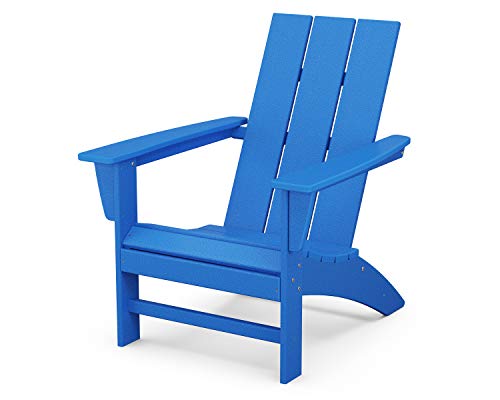
- Adirondack & Lounge Chairs Classic deep-seat silhouettes translated into recycled plastic. Pair with a matching side table for a cohesive look.
- Dining Sets Rectangular and round tables with coordinated chairs. Consider a dining set buying guide to size the table to your space.
- Benches A weather-resistant outdoor bench is one of the most practical recycled plastic investments for gardens and porches.
- Chaises & Loungers Poolside and sunbathing pieces benefit from the material's resistance to chlorine and moisture.
- Sectionals & Sofas Modular configurations are increasingly available, though cushion compatibility should be confirmed with the outdoor cushions you plan to use.
- Side Tables & Accents Small pieces like end tables and planters complete the set without overcomplicating the layout.
If your layout calls for curved or circular seating, a circular sectional in recycled plastic can anchor a conversation area. For inspiration on mixing materials, browse the patio styles section to see how recycled composites work alongside rattan, metal, and wood.
Advantages and Considerations
Advantages
- No rot, splinters, or insect damage
- Year-round outdoor suitability
- Minimal maintenance routine
- Diverts plastic from landfills
- Color is molded through, not painted on
- Heavier pieces resist wind displacement
Considerations
- Heavier than aluminum or resin furniture
- Surface can feel warm in direct sun
- Color options may be narrower than painted wood
- Recycled content percentage varies by manufacturer
- Some designs are bulkier than metal equivalents
Care and Maintenance
One of the strongest arguments for recycled plastic is its simple upkeep. A periodic wash with mild soap and water removes pollen, dust, and bird droppings. For stubborn marks, a soft-bristle brush is usually sufficient. Avoid abrasive cleaners that can dull the surface. If the furniture will sit unused for extended periods, a waterproof outdoor furniture cover helps keep debris off and reduces cleaning frequency. For cushions and pads, refer to the outdoor cushion guide for proper cleaning and storage.
While recycled plastic does not need sealing, inspecting hardware annually is still worthwhile. Tighten bolts and check for corrosion on any metal components. If your set includes a fire feature nearby, a portable outdoor fireplace can extend the usable season without adding maintenance burden.
Ready to Furnish Sustainably?
Browse recommended modern recycled plastic outdoor furniture options below. Each selection is chosen for durability, design, and eco-friendly construction.
VIEW RECOMMENDED PRODUCTSFrequently Asked Questions
Is recycled plastic outdoor furniture durable?
Yes. High-quality recycled plastic furniture made from HDPE is engineered to resist rot, mildew, insects, and UV damage. Many pieces carry long-term structural warranties and are designed for year-round outdoor exposure.
How does recycled plastic furniture compare to wood?
Recycled plastic requires far less maintenance than wood. It does not need painting, staining, or sealing, and it will not splinter, crack, or rot over time. The trade-off is that it is generally heavier and may have a more limited color palette than painted wood.
What is HDPE furniture?
HDPE stands for High-Density Polyethylene, a type of plastic commonly used for milk jugs and other containers. When recycled and molded into furniture, it creates a dense, weather-resistant material that mimics the look of painted wood.
Can recycled plastic furniture be left outside year-round?
Yes. Modern recycled plastic outdoor furniture is designed to withstand all seasons, including freezing temperatures, heavy rain, and intense sun exposure. Cushions and pads should still be stored or covered when not in use.
For complementary pieces, consider how a vintage wrought iron side table or wicker seating might pair with recycled plastic frames. If storage is a concern, a water-resistant outdoor storage cabinet keeps cushions and small accessories protected. And for shoppers comparing retailers, the online retailer reviews section offers guidance on where to source sustainable outdoor furniture.