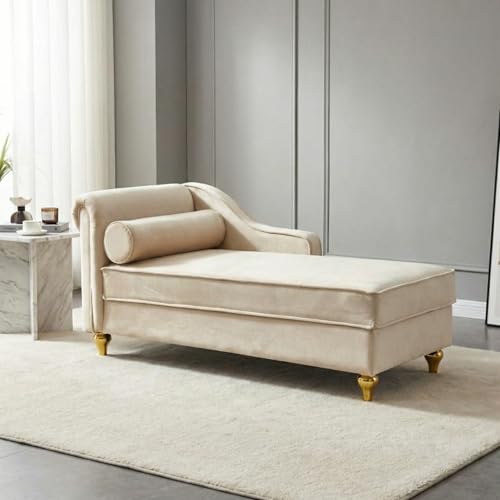
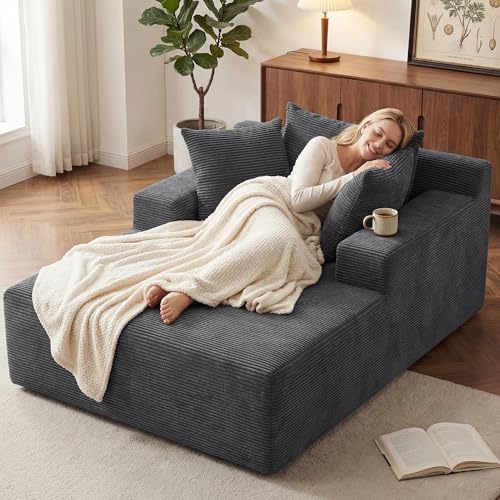
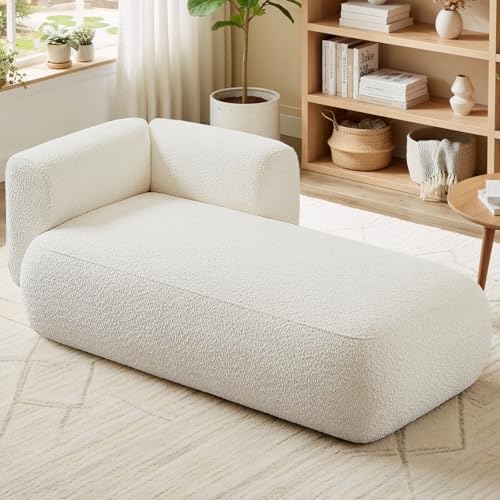
Modern Chaise Lounge: The Complete Buying & Design Guide
Everything you need to choose a contemporary outdoor lounger that combines sleek design, lasting comfort, and weather-ready durability for your patio, poolside, or deck.
Start Your ResearchWhy a modern chaise lounge deserves your attention: A chaise lounge is more than a piece of furniture — it is an invitation to slow down. Modern designs refine that experience with cleaner lines, adjustable ergonomics, and materials engineered for year-round outdoor use. This guide walks you through every decision, from frame construction to cushion care, so you can choose with confidence.
What Defines a Modern Chaise Lounge?
A modern chaise lounge is a long, single-seat reclining chair designed for stretched-out relaxation. What separates contemporary models from traditional ones is a deliberate design language: minimal ornamentation, geometric silhouettes, and an emphasis on function over fuss. Think powder-coated aluminum frames, sling or taut-mesh seating, and integrated backrest adjustments rather than decorative scrollwork.
The modern category spans several interpretations. Some loungers lean toward architectural minimalism with sharp angles and monochrome finishes. Others adopt a softer mid-century approach, pairing tapered legs with gently curved profiles. Still others blend modern form with resort-style practicality, using quick-dry textiles and stackable frames for easy storage.
If you want to explore how modern chaise designs compare with more traditional outdoor loungers, our guide to outdoor chaise lounge chairs provides a broader category overview.
Why Choose a Modern Chaise Lounge?
The appeal of a contemporary lounger goes beyond aesthetics. Modern engineering has solved many of the pain points that made older outdoor furniture frustrating to own.
Clean, Timeless Lines
Modern silhouettes resist trend cycles. A well-chosen contemporary lounger looks intentional in a minimalist deck, a coastal patio, or a lush garden setting alike.
Engineered Comfort
Adjustable backrests, ergonomic curves, and breathable sling materials deliver comfort that holds up over long afternoons, not just a quick sit.
Weather-Ready Materials
Powder-coated aluminum, high-density polyethylene, and solution-dyed fabrics are built to resist UV fading, rust, and moisture intrusion.
Space Efficiency
Many modern designs stack or fold, making them practical for smaller patios, balconies, and seasonal storage routines.
Key Features to Evaluate Before You Buy
Frame Construction and Materials
The frame is the backbone of any outdoor lounger. The most common modern frame materials are powder-coated aluminum, stainless steel, and high-grade resin. Aluminum is widely favored for its balance of strength and light weight, while stainless steel suits harsh coastal environments where salt exposure is constant. Resin frames offer a maintenance-light option with molded-in color that will not chip.
Pay attention to weld quality, joint reinforcement, and the finish coating. A rust-proof finish and heavy-duty hardware are signs of durable construction. For a deeper dive into frame options, see our materials guide.
Seating Surface: Sling, Mesh, or Cushion
Modern chaise lounges typically use one of three seating approaches. Sling seating uses a taut, breathable fabric suspended across the frame — it dries quickly and requires minimal upkeep. Textilene mesh is a popular sling variant known for UV resistance and support. Cushioned seating adds plushness but demands more care; if you go this route, prioritize quick-dry foam and removable, washable covers.
If cushion comfort matters to you, our outdoor cushion guide explains fill types and fabric ratings in detail. Replacement covers are also widely available — see replacement fabric for chaise lounge chairs.
Adjustability and Recline Mechanism
Most modern loungers offer multi-position backrests. Entry-level models often use a simple notched bracket system, while mid-range and premium designs may feature smoother ratchet mechanisms or gas-assisted adjustments. Test the mechanism's feel if possible: a well-built recliner should lock firmly without wobble and release smoothly without pinching.
Weight Capacity and Stability
Check the stated weight capacity and the footprint of the base. Wider legs and cross-bracing improve stability on uneven decking. If you plan to use the lounger on a pool ledge or a soft lawn, look for models with broad, flat feet that distribute weight evenly.
Portability and Storage
Stackable and folding designs are a major advantage for homeowners with limited storage. Lightweight aluminum frames make seasonal relocation easy. If storage space is tight, consider a water-resistant outdoor storage cabinet to protect cushions and accessories.
Modern Chaise Lounge Styles and Design Directions
Modern is a broad umbrella. Understanding the sub-styles helps you match a lounger to your existing outdoor aesthetic.
Minimalist and Architectural
Characterized by sharp geometry, low profiles, and neutral finishes such as graphite, charcoal, and matte white. These loungers work best in structured settings with clean decking and restrained planting.
Mid-Century Modern
Tapered legs, gentle curves, and warm wood accents define this look. Mid-century modern chaise lounges pair beautifully with teak or acacia decking and add warmth without sacrificing contemporary lines. Explore the mid-century modern outdoor chaise lounge category for more inspiration.
Resort and Coastal Contemporary
White or light-toned frames, sling seating, and stackable designs evoke a hotel poolside feel. These are practical choices for households that entertain frequently or rotate furniture seasonally.
Double and Companion Loungers
If you often relax with a partner, a double-width lounger offers shared space without duplicating footprint. Our overview of the outdoor double chaise lounge covers sizing and structural considerations.
Comparing Quality Tiers: What to Expect
Modern chaise lounges are available across a spectrum of quality tiers. Rather than focusing on numeric figures, it helps to understand what each tier typically delivers in construction and longevity.
| Tier | Typical Construction | Best For | Durability Outlook |
|---|---|---|---|
| Entry-Level | Lightweight aluminum or resin frame, basic sling fabric, simple notched recline | Occasional use, balconies, seasonal setups | Solid for light use; may show wear after several seasons of continuous sun exposure |
| Mid-Range | Reinforced aluminum frame, textilene or solution-dyed sling, smoother recline mechanism | Regular family use, poolside and patio settings | Good longevity with routine cleaning; finishes hold color well |
| Premium | Heavy-duty welded frame, high-grade sling or quick-dry cushion, precision recline hardware | Frequent use, exposed locations, design-forward patios | Long-term investment; resists fading and joint loosening |
| Luxury / Commercial-Grade | Marine-grade stainless or architectural aluminum, custom textiles, engineered ergonomics | Hospitality use, harsh climates, design-led outdoor spaces | Exceptional; built for continuous exposure and heavy use |
As a general rule, moving up a tier typically brings smoother mechanisms, tighter tolerances, and more weather-resistant finishes. The right choice depends on how often the lounger will be used and how exposed it will be to sun, salt, and rain.
Advantages and Trade-Offs of Modern Chaise Lounges
Strengths
- Clean aesthetics that suit a wide range of outdoor design schemes
- Breathable sling and mesh options stay cooler in direct sun
- Lightweight aluminum frames are easy to reposition
- Stackable and folding models simplify seasonal storage
- Modern finishes resist fading and corrosion better than older painted steel
Considerations
- Sling seating offers less plushness than deep cushions
- Minimalist frames can feel firm without a cushion topper
- Premium models represent a larger upfront commitment
- Some recline mechanisms require a learning curve
- Cushioned versions demand more frequent cleaning and storage
Design Tips: Placing a Modern Chaise Lounge
A lounger is most effective when it is placed with intention. Consider these practical design guidelines before you finalize your layout.
Establish a Focal Zone
Pair the lounger with a side table for drinks, a book, and sunscreen. A vintage wrought iron side table can add character while keeping the footprint compact. On larger patios, anchor the seating area with an outdoor rug to define the relaxation zone.
Respect the Sun Path
Position the lounger where morning or late-afternoon sun is comfortable rather than punishing. If full sun is unavoidable, a sling seat stays cooler than a dark cushion. Consider pairing with a shade structure or a patio umbrella for flexible comfort.
Coordinate Materials
Match the frame finish to other outdoor metals in your space — if your dining set uses matte black aluminum, a graphite lounger will feel cohesive. For mixed-material schemes, a wood-accented mid-century lounger can bridge metal and timber elements.
Plan for Protection
Even weather-resistant furniture benefits from protection during off-season months. A waterproof outdoor furniture cover extends the life of the frame and preserves the finish. For cushion care, see waterproof outdoor furniture cushions and cushion storage solutions.
Maintenance and Longevity
Modern chaise lounges are designed to be low-maintenance, but a simple routine keeps them looking new for years.
- Weekly: Wipe down the frame with a damp cloth to remove dust and pollen. Rinse sling fabric with plain water.
- Monthly: Inspect joints, bolts, and recline hardware. Tighten any loosened fasteners. Clean fabric with a mild soap solution and rinse thoroughly.
- Seasonally: Deep-clean the frame and apply a protective coating if recommended by the manufacturer. Store cushions indoors or in a dry container during prolonged wet or cold periods.
- Annually: Check for corrosion spots or finish chips and touch up promptly to prevent spreading.
For broader care guidance, browse our outdoor care section, which covers weatherproofing, rust prevention, and seasonal storage in depth.
Common Buying Mistakes to Avoid
- Ignoring the recline mechanism in person: A notched bracket may feel fine online but stiff in practice. Read reviews that specifically discuss the adjustability.
- Overlooking the footprint: A chaise lounge is long. Measure your patio or deck and leave clearance for walking and side-table access.
- Choosing fabric by color alone: Solution-dyed fabrics resist fading far better than surface-dyed alternatives. Check the UV resistance rating.
- Skipping the warranty review: Frame and fabric warranties vary widely. Our warranty guide explains what coverage to look for.
- Forgetting storage: If you plan to store the lounger during winter, confirm that it folds or stacks, or that it fits in your available space.
Frequently Asked Questions
What is the difference between a chaise lounge and a regular lounge chair?
A chaise lounge is longer and designed for full-body reclining, typically with an adjustable backrest that allows you to lie nearly flat. A standard lounge chair is shorter and intended for upright or semi-reclined seating. Modern chaise lounges emphasize this stretched-out posture with ergonomic curves and multi-position backs.
Is aluminum or steel better for a modern outdoor chaise lounge?
Both are durable choices. Powder-coated aluminum is lighter, rust-resistant, and easier to move — ideal for most residential patios. Stainless steel is heavier and better suited to coastal environments with high salt exposure. For inland homes, aluminum offers an excellent balance of strength and portability.
Can a modern chaise lounge stay outside all year?
Many modern loungers are built for continuous outdoor exposure, especially those with powder-coated aluminum frames and solution-dyed sling fabric. However, extreme winters and prolonged wet seasons are hard on any furniture. Using a fitted cover or storing the lounger during off-season months will significantly extend its lifespan.
How do I clean sling fabric on a chaise lounge?
Rinse with plain water weekly to remove dust. For deeper cleaning, use a mild soap solution and a soft brush, then rinse thoroughly and air-dry fully before use. Avoid harsh chemicals and abrasive scrubbing, which can break down the fabric's UV-resistant coating.
Should I choose a cushioned or sling modern chaise lounge?
Sling seating is lower-maintenance, dries quickly, and stays cooler in direct sun. Cushioned seating is plusher and more comfortable for long reading sessions, but requires regular cleaning and storage. If you entertain often or live in a rainy climate, sling is the more practical choice; if comfort is the top priority, look for quick-dry foam cushions with removable covers.
What size patio do I need for a chaise lounge?
A standard chaise lounge occupies roughly the length of an adult lying down plus a small buffer. Plan for at least a few feet of clearance at the head and foot, and leave room beside the lounger for a side table. On small balconies, a folding or stackable model maximizes flexibility.
Final Thoughts: Choosing with Confidence
A modern chaise lounge is a long-term addition to your outdoor space. The right choice balances three factors: a frame material suited to your climate, a seating surface that matches your comfort preferences, and a design that feels at home in your patio's aesthetic.
Take the time to measure your space, review the recline mechanism, and verify the fabric's UV resistance. Whether you lean toward a minimalist sling lounger or a cushioned mid-century design, the investment in a well-built piece pays off in countless relaxed afternoons. Use the tier comparison and maintenance guidance above as your checklist, and you will be well prepared to select a lounger that serves you beautifully for years.
Explore Related Outdoor Lounging Guides
Broaden your research with these related topics from our outdoor living library:
- Lounge chairs for every outdoor setting — compare chaise lounges with other relaxed seating styles.
- Lounger chair overview — a closer look at reclining outdoor seating categories.
- Lounger buying considerations — practical factors that apply across lounger types.
- Leather chaise lounges — for indoor or covered outdoor spaces with a different material story.
- Inflatable loungers — portable alternatives for travel and temporary setups.
- Lounge chairs for pool tanning ledges — specialized in-water relaxation options.
For storage and protection planning, pair your lounger with a waterproof outdoor storage container or a waterproof outdoor box to keep cushions and covers dry.