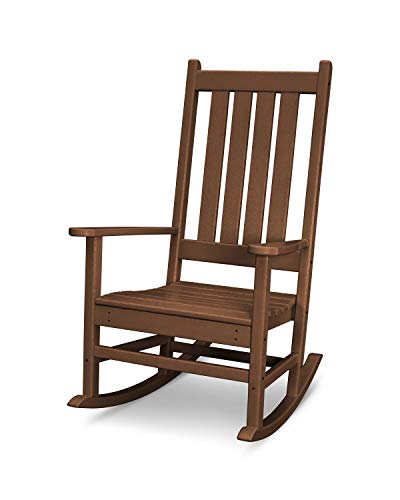
Outdoor Furniture Made From Recycled Milk Jugs: The Complete Buying Guide
Everything you need to know about HDPE poly lumber patio furniture — how it is made, how it performs, and how to choose the right pieces for your outdoor space.
EXPLORE RECOMMENDED PICKSWhy this material matters: Outdoor furniture made from recycled milk jugs transforms post-consumer high-density polyethylene (HDPE) into a solid, weather-resistant building material often called poly lumber. Instead of wood that rots or metal that rusts, you get boards that resist moisture, insects, and fading — while keeping plastic waste out of landfills. If you are researching eco-friendly patio furniture before buying, this guide explains what the material really is, where it performs best, and what to check before you commit.
What Is Recycled Milk Jug Furniture?
Recycled milk jug furniture is built from HDPE plastic collected from household containers such as milk jugs, detergent bottles, and water bottles. These containers are cleaned, shredded, melted, and extruded into lumber-like boards. The result is a dense, non-porous material that looks similar to painted wood but behaves very differently outdoors.
Most poly lumber is sold as boards that furniture makers cut, rout, and assemble much like traditional woodworking. Many pieces are constructed with stainless steel hardware so the fasteners hold up as well as the boards themselves. Because the color is typically integrated throughout the material rather than painted on the surface, scratches are far less visible than they would be on a painted wooden piece.
The material belongs to a broader family of modern recycled plastic outdoor furniture, and it shares many characteristics with other weather-resistant synthetic options covered in our materials guide. Understanding the category as a whole helps you compare poly lumber against metal, teak, and wicker before deciding.
How Milk Jugs Become Patio Furniture
The production process is straightforward but material-intensive. Collected HDPE is sorted by color and resin type, washed to remove labels and residue, then ground into flakes. Those flakes are melted and formed into consistent boards. Some manufacturers add UV stabilizers during extrusion so the finished lumber resists sun damage over time.
From there, furniture builders treat poly lumber like wood stock. They cut legs, rails, and slats, then assemble frames using screws, bolts, and sometimes hidden fasteners. A single sturdy chair can consume a meaningful number of recycled containers, which is part of the appeal for environmentally conscious buyers. The finished board is solid, heavy, and does not absorb water — the core reason it performs well on decks, patios, and poolside areas.
Key Benefits of HDPE Outdoor Furniture
Moisture & Rot Resistance
HDPE does not absorb water, so boards will not swell, split, or rot after rain. This makes the material a strong fit for uncovered patios and poolside settings.
Insect & Pest Proof
Unlike wood, poly lumber offers nothing for termites, carpenter bees, or borers to feed on. No chemical treatments are needed to keep pests away.
Color Through the Board
Because pigment is integrated into the material, minor scratches and scuffs are far less noticeable than on painted or stained wood surfaces.
Low Maintenance
A rinse with soapy water is usually enough. There is no sanding, sealing, or re-staining cycle, which keeps long-term upkeep simple.
Environmental Value
Each piece diverts post-consumer plastic from landfills. Choosing recycled-content furniture is a practical way to reduce demand for virgin materials.
Heavy, Stable Build
Poly lumber furniture is dense and substantial. Well-built pieces resist tipping in wind better than many lightweight alternatives.
Trade-Offs to Consider Before Buying
No material is perfect, and honest research means understanding the limitations. Poly lumber furniture is typically heavier than aluminum or resin, so rearranging a full dining set takes more effort. Boards can also expand and contract slightly with temperature changes, which is why quality manufacturers leave small gaps and use slotted fastening where needed.
Color options have improved dramatically, but some buyers still find the finish looks more uniform than natural wood grain. If you want a more textured, traditional look, compare poly lumber against teak lounge chairs or other natural-wood options before deciding. For a broader view of how this material stacks up, our metal patio furniture guide and wicker seating overview provide useful contrast points.
What to Look For in Quality Poly Lumber Furniture
Not all recycled plastic furniture is built to the same standard. The differences show up in hardware, joinery, board thickness, and UV protection. Use the following checklist when comparing options:
- Stainless steel hardware: Standard steel fasteners can rust even when the boards do not. Look for stainless or coated marine-grade hardware.
- UV-stabilized material: UV additives slow fading. Entry-level pieces sometimes skip this, so confirm the specification.
- Board thickness: Thicker boards feel more solid and resist flexing. Thin boards can sag over time under heavy use.
- Joinery quality: Check for reinforced joints, hidden fasteners, and clean routing. These signal a well-built frame.
- Consistent color: Color should run through the board. If the finish looks like a surface coating, it may wear unevenly.
- Weight and stability: A heavier frame generally indicates more material and better wind resistance.
Entry-Level vs Mid-Range vs Premium Poly Furniture
Because poly lumber furniture spans a wide quality range, it helps to think in tiers rather than focusing on any single number. The table below summarizes what typically separates each tier so you can match the product to how you plan to use it.
| Tier | Best For | Typical Characteristics | What to Expect |
|---|---|---|---|
| Entry-Level | Covered porches, seasonal use, first outdoor set | Thinner boards, basic fasteners, fewer color options | Solid choice for the tier, but check hardware and UV specification carefully |
| Mid-Range | Year-round patios, family use, poolside areas | Thicker boards, stainless hardware, UV stabilization, wider color range | Balanced tier with smoother joinery and better long-term durability |
| Premium | Full outdoor living rooms, high-traffic decks, long-term setups | Heavy-duty construction, hidden fasteners, marine-grade hardware, refined finishes | Top-tier build quality with the most consistent color and strongest frames |
In practice, mid-range models usually offer the most balanced combination of construction quality and feature set, while premium pieces make sense when the furniture will stay outside in full sun and weather all year. Entry-level options can work well on covered porches where exposure is limited.
Popular Recycled Milk Jug Furniture Pieces
Poly lumber works across nearly every furniture category. Some pieces benefit more than others from the material's weather resistance.
Adirondack and lounge seating: The classic slatted Adirondack chair is one of the most common poly lumber builds. The material's rigidity suits the design, and the boards handle rain without swelling. If you prefer a more upright seat, compare these with rocking egg chairs or standard lounger chairs depending on your relaxation style.
Dining sets: Poly lumber dining tables and chairs are popular for family patios because they resist stains and wipe clean easily. A dining table set with chairs and bench in poly lumber can anchor a full outdoor dining area. For larger gatherings, an outdoor dining set for 6 in HDPE is a practical long-term choice.
Benches and storage: Because the material does not rot, benches are a natural fit. A weather-resistant outdoor bench in poly lumber can stay outside year-round. Pair it with a waterproof outdoor storage container to keep cushions dry.
Conversation and sectional pieces: Modular seating in recycled plastic is increasingly common. An L-shaped outdoor couch with fire pit configuration works well when the frames are built from poly lumber and paired with quick-dry cushions.
If your space is compact, smaller poly pieces such as a white garden table or vintage wrought iron side table — when available in recycled plastic equivalents — can complete a small patio without overwhelming it.
How to Care for Recycled Plastic Outdoor Furniture
Maintenance is one of the strongest arguments for this material. In most cases, routine cleaning involves nothing more than a soft brush, mild soap, and a garden hose. Avoid abrasive pads and harsh solvents, which can dull the surface over time.
For cushions and fabric components, follow the manufacturer's guidance and consider waterproof outdoor furniture cushions to reduce moisture retention. During long off-seasons, a waterproof outdoor furniture cover keeps pollen and debris off the surface, though it is not strictly required for the poly lumber itself. If you want to protect multiple pieces, weatherproof outdoor furniture covers are a sensible addition.
Store loose cushions in a water-resistant outdoor storage cabinet or a dedicated waterproof outdoor box to extend their life. For a deeper dive into fabric and foam choices, see our outdoor cushion guide.
A Practical Buying Checklist
Before you commit to a set, run through these questions. They help separate well-built pieces from ones that may disappoint after a season or two.
- Will the furniture sit in full sun, partial shade, or under cover? Full-sun exposure makes UV stabilization essential.
- Is the hardware stainless steel or coated marine-grade? This is the most common failure point on lower-tier pieces.
- How thick are the boards, and does the frame feel rigid when you test it?
- Does the color run through the material, or is it a surface finish?
- Are replacement parts and cushions available from the manufacturer?
- Does the assembled footprint fit your patio measurements with comfortable walkways?
For measurement guidance before ordering, our measurement guide walks through how to map a patio layout. If you are comparing retailers, the online retailer reviews section covers what to verify before checkout.
Frequently Asked Questions
Is furniture made from recycled milk jugs actually durable?
Yes. HDPE poly lumber is solid, non-porous, and resistant to moisture, insects, and rot. Quality pieces with stainless hardware can last many years outdoors with minimal maintenance. Durability depends heavily on board thickness and hardware quality, so tier matters.
Does it fade in the sun?
UV-stabilized poly lumber resists fading much better than untreated plastic. Entry-level pieces without UV additives may show more color change over time. Confirming UV stabilization is one of the most useful checks before buying.
Can it stay outside in winter?
In most climates, yes. The material does not absorb water, so freeze-thaw cycles are less damaging than they are to wood. In extreme cold, boards may contract slightly, which is normal. Covers are optional but help keep surfaces clean during off-seasons.
How does it compare to wood or metal?
Compared with wood, poly lumber will not rot, splinter, or need sealing. Compared with metal, it will not rust. It is generally heavier than aluminum and has a more uniform finish than natural wood. The right choice depends on your priorities for look, weight, and upkeep.
Is it comfortable without cushions?
Slatted designs are supportive but firm. Most buyers add seat cushions for comfort, especially on dining chairs and loungers. Quick-dry cushions are the best match for outdoor use.
Final Thoughts
Outdoor furniture made from recycled milk jugs is one of the most practical eco-friendly choices available today. The material resists everything a patio throws at it — rain, sun, insects, and spills — while diverting plastic waste from landfills. The key is buying at the right tier for your exposure and use. Focus on stainless hardware, UV-stabilized boards, and solid joinery, and the furniture should serve you well for years.
If you are still comparing categories, browse our outdoor dining set buying guide and outdoor furniture padding overview to round out your research. When you are ready, the recommended picks below are a good starting point.