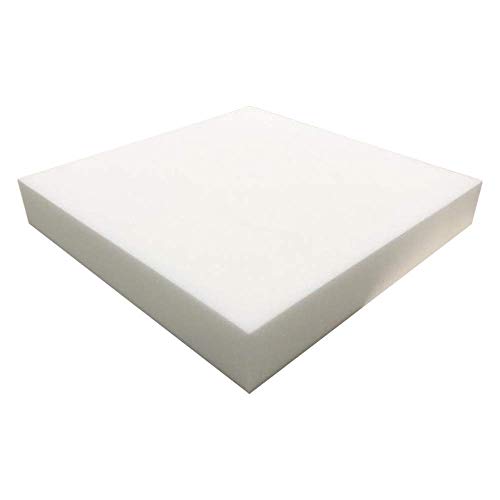
Outdoor Furniture Padding Guide
Everything you need to know about choosing the right padding for your patio cushions – materials, thickness, weatherproofing, and care for lasting comfort.
Why padding matters: The right outdoor furniture padding transforms your patio from merely functional to irresistibly comfortable. Whether you're lounging by the pool or hosting a dinner party, high-quality padding ensures you and your guests enjoy every moment outdoors.
Understanding Outdoor Cushion Padding
Outdoor furniture padding is the core of your cushion comfort. Unlike indoor furniture, outdoor cushions must withstand sun, rain, humidity, and temperature swings. The padding material determines not only how soft the seat feels but also how long it lasts. When shopping for patio furniture or replacement cushions, understanding padding options is essential to making an informed purchase.
Types of Padding Materials
Polyurethane Foam
The most common choice for outdoor cushions. Polyurethane foam offers a good balance of comfort, support, and affordability. It's available in various densities – higher density means more firmness and better durability. For outdoor use, choose high-density, dry-fast foam that resists water absorption.
- Comfort level: medium to firm
- Durability: good (with proper care)
- Price range: $50–$150 per cushion
Polyester Fiber Fill
Often used in back cushions and throw pillows. Polyester fill is lightweight, quick-drying, and provides a plush, cloud-like feel. However, it tends to compress over time and requires regular fluffing. Best for decorative accents or low-use seating.
- Comfort level: soft to medium
- Durability: moderate
- Price range: $30–$80 per cushion
Memory Foam (Gel-Infused)
Memory foam contours to your body for exceptional comfort, and gel-infused versions help regulate temperature. While luxurious, memory foam can retain heat if not ventilated. Look for outdoor-rated memory foam with open-cell construction for breathability.
- Comfort level: plush, conforming
- Durability: good to excellent
- Price range: $100–$250+ per cushion
Eco-Friendly / Plant-Based Foam
Made from renewable materials like soybean oil or castor bean oil. These foams have a lower environmental footprint and perform similarly to polyurethane. They are naturally antimicrobial and resist mildew – ideal for humid climates.
- Comfort level: medium
- Durability: good
- Price range: $70–$180 per cushion
Key Factors to Consider
Density & Thickness
Density (measured in pounds per cubic foot) affects both comfort and longevity. For outdoor seating, a density of 1.8 to 2.5 lb/ft³ is recommended. Thickness typically ranges from 2 to 6 inches; seat cushions are usually 4-6 inches thick, while back cushions are thinner (2-4 inches). Thicker cushions provide more comfort but may retain water longer if not quick-dry.
Pro tip: If you plan to leave cushions outside, choose quick-dry foam with an open-cell structure that allows water to drain.
Weather Resistance
Outdoor padding must resist moisture, UV rays, and mildew. Look for foam treated with antimicrobial agents and UV inhibitors. Some manufacturers use a "dry-fast" technology that allows water to pass through and evaporate quickly, preventing mold and odors.
For year-round outdoor use, consider waterproof cushion options that combine high-performance foam with water-resistant covers.
Cover Material Compatibility
The padding works in tandem with the outer fabric. Solution-dyed acrylic (like Sunbrella®) and polyester are popular choices. Ensure your cushion covers are removable with zippers for easy cleaning. For maximum comfort, layer a high-quality cushion over a supportive foam core.
Maintenance & Longevity
Proper care extends the life of your outdoor furniture padding significantly. Here are essential tips:
- Regular Cleaning: Vacuum cushions to remove dirt and debris. Spot-clean spills immediately with mild soap and water. Avoid harsh chemicals that can break down foam.
- Fluff and Rotate: Rotate and flip cushions regularly to distribute wear evenly, especially in high-use areas.
- Storage: During off-seasons or heavy rain, store cushions in a dry, ventilated space. Use protective covers if they must stay outside.
- Sun Protection: UV rays can degrade foam over time. Using an offset umbrella or pergola provides shade, reducing sun damage.
When shopping for new cushions, look for products with a warranty that covers foam degradation – this is a good indicator of quality.
Making the Right Choice for Your Space
Selecting the ideal padding depends on your usage and climate. For a deep seating set that gets daily use, invest in high-density, quick-dry foam. For a dining set, a medium-density foam provides enough support without being overly bulky. If you're furnishing a boho-inspired patio, consider mixing textures with polyester-fill accent pillows for style and comfort.
Remember that padding is just one element – the overall comfort also depends on the frame material, seat depth, and backrest angle. Test cushions in person when possible, or read detailed reviews from verified buyers.
Expert Insight: “The best outdoor furniture padding combines a dense, quick-dry foam core with a high-performance, UV-resistant cover. Investing in quality padding not only enhances comfort but also adds years to your furniture's life.” – PatioFocus Team
Explore more guides: Outdoor Cushion Guide | Materials Guide | Care Tips | Brand Comparisons